
Try these 5 things you already have at home to help melt ice & snow in NC
North Carolina residents are likely stocking up on rock salt (again) ahead of a historic winter storm forecast to dump up to a foot of snow in portions of the state this weekend.
A common fix for melting snow and ice, rock salt works by lowering the freezing point of water so “the ice on the ground can’t freeze that layer of water at 32 °F anymore,” according to the Encyclopedia Britannica.
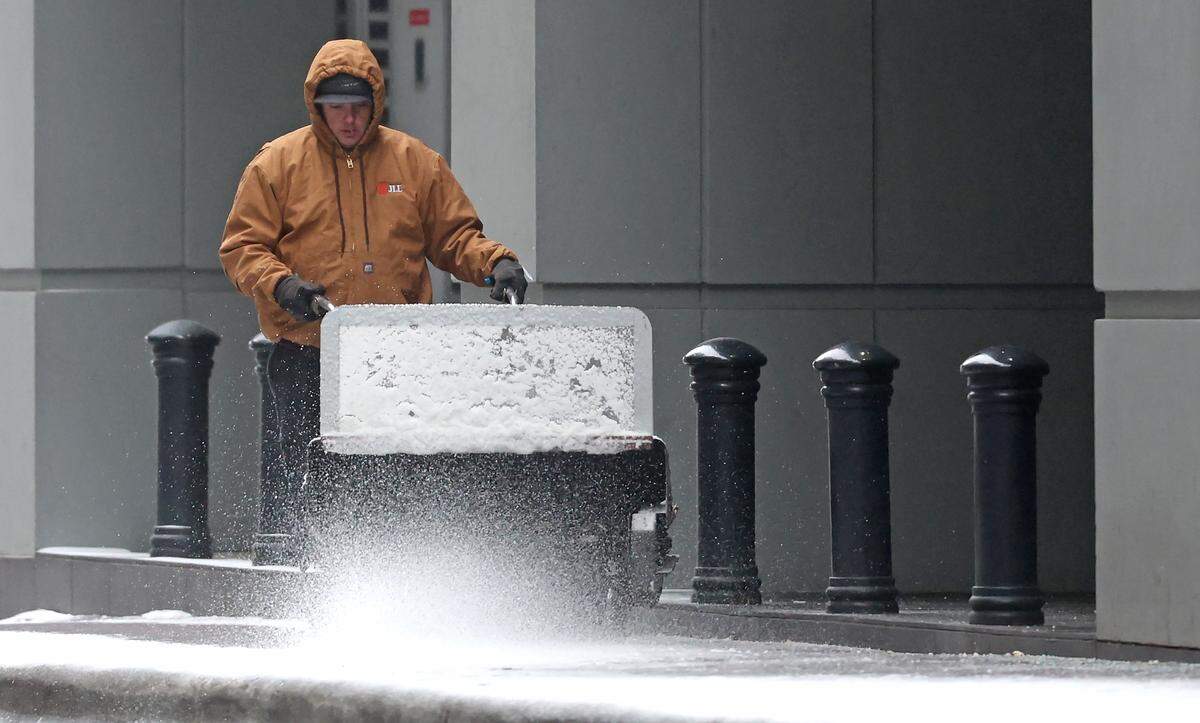
Rock salt contains sodium chloride, however, and can be especially harsh on the environment, causing damage to plants, soil and aquatic animals.
So what if you want a de-icer that’s effective and eco-friendly? Or maybe you don’t have any rock salt on hand?
Try these five common household items to melt snow and ice after the winter storm:
Rubbing alcohol
A simple solution of warm water, one-fourth cup of rubbing alcohol and a few drops of dish soap is a cost-effective, environmentally-friendly alternative to rock salt, the Old Farmer’s Almanac says.
Splash the solution on any icy areas and watch it fizzle and melt before your eyes.
“The rubbing alcohol has a much lower freezing point than water, so it thaws ice and prevents re-icing,” according to the Almanac. Water and alcohol can also be combined in a spray bottle, “creating a portable ice-melting solution to keep in your car to defrost your windshield.”
Epsom salt
Epsom salt can do more than soothe muscles.
With magnesium sulfate as its main ingredient, Epsom salt is both abrasive and effective at melting small surface areas, like steps. To speed things up, experts suggest mixing sugar and Epsom salt “in a 1:1 ratio,” the Old Farmer’s Almanac says.
This alternative comes with a few drawbacks, however. Epsom salt is generally pricier than rock salt and has some temperature limitations.
“It’s usually recommended only to try using it if your minimum cold temperature is 20 degrees Fahrenheit, because anything lower than that typically won’t be that affected by Epsom salt,” Steve Corcoran, a home maintenance expert and CEO of Lawn Love, told Martha Stewart.com
Corcoran suggests following these tips for the best results:
- Combine with gravel or sand for added traction.
- Spread the mixture over icy areas, “about 1 cup per 20 square feet.”
- Apply pressure or gently scrape it after application.
Baking Soda
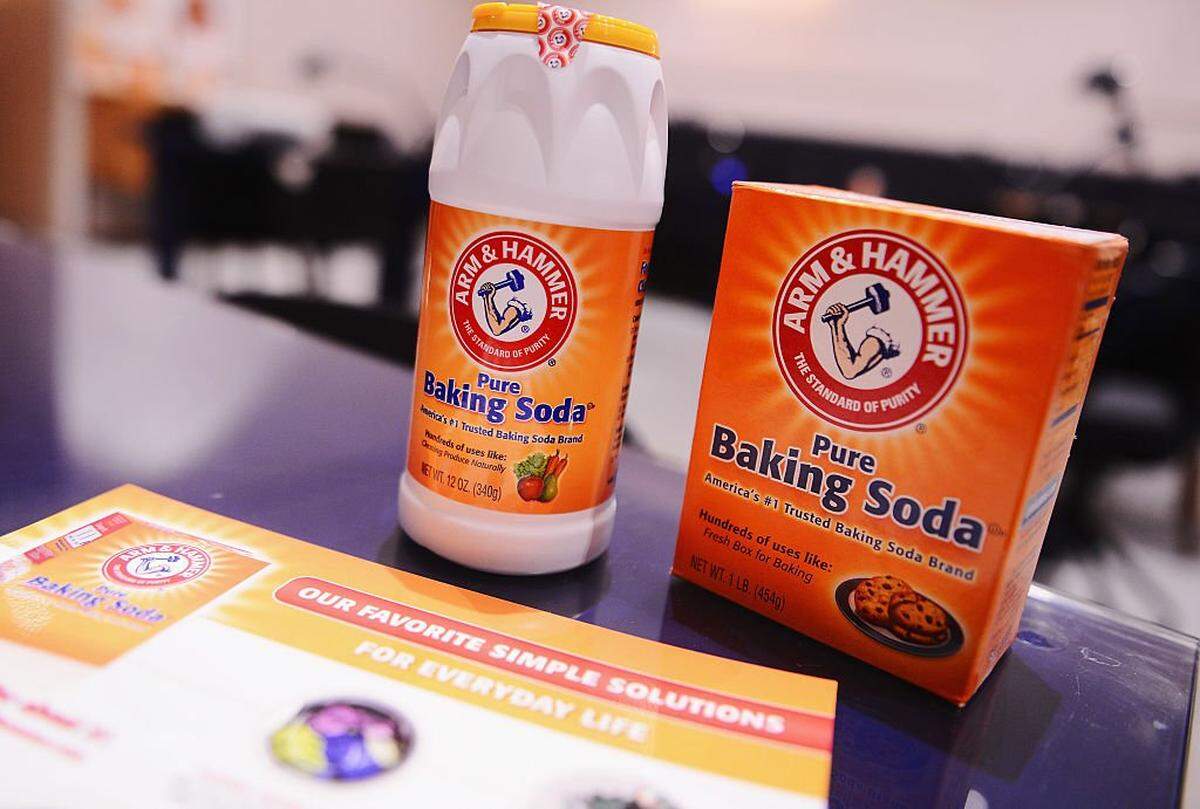
In a pinch, baking soda can help clear icy steps and walkways.
Combining a half cup of baking soda with a gallon of water makes for a pet-friendly de-icing solution, according to AccuWeather. This hack requires a good deal of water if you need to cover a large surface area, however.
Additionally, baking soda solutions aren’t as effective in below-freezing temperatures, so it’s best to stick to days “where the weather is close to, if not higher than, 32 degrees,” The Oklahoman reported.
Vinegar
According to Southern Living, mixing equal parts of vinegar and hot (not boiling) water in a bucket or spay bottle and applying to the icy areas around your home will melt the ice, turning it to slush. Some shoveling is required afterward to clear the sloshy mixture and prevent refreezing.
“The bad news about this method is that it works best on thin ice and in temperatures above 28 degrees Fahrenheit,” the magazine reported. “For thicker ice or colder temps, you’ll need to salt your driveway instead.”
Table Salt
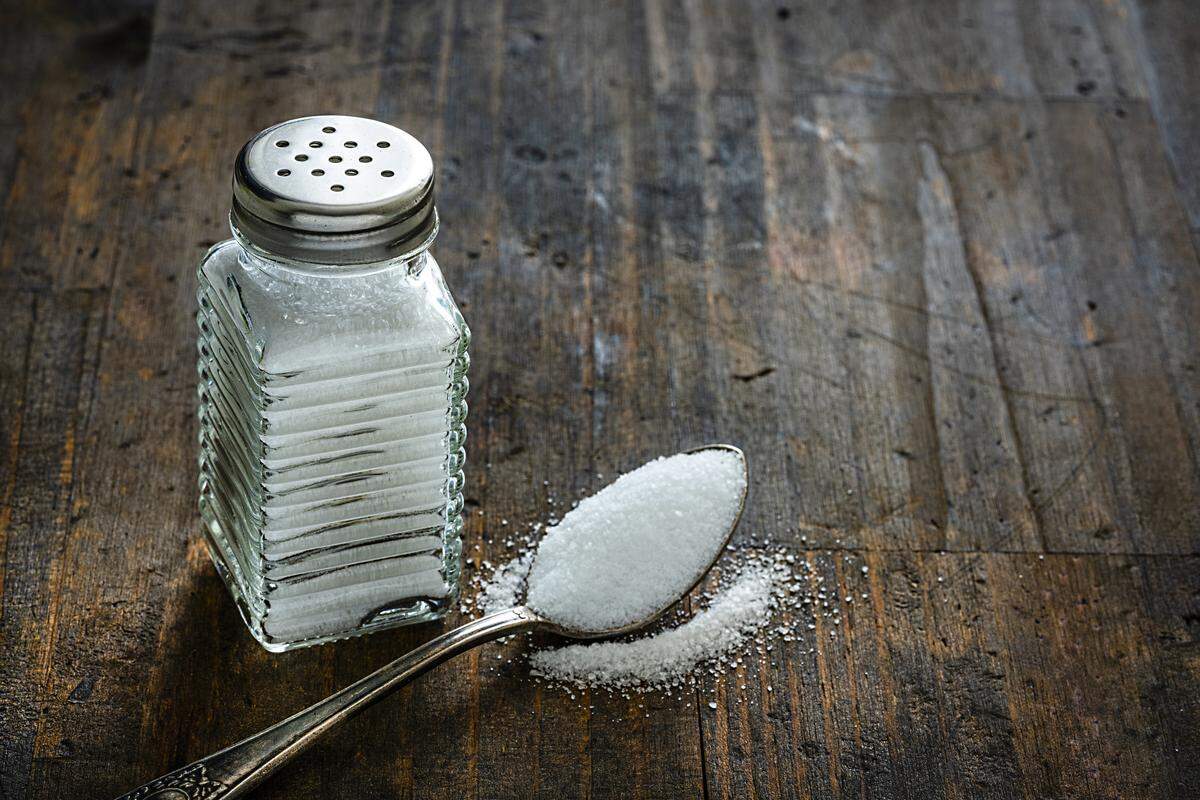
Last but not least, traditional table salt can help with breaking up ice and/or snow, AccuWeather says. This method only works if temperatures are above 15 degrees Fahrenheit, however, and can require large quantities of salt if you’re looking to clear an entire driveway.
This story was originally published January 30, 2026 at 5:17 PM.