
Unlike officials, minorities can’t avoid opposition
I have never held a job where I could choose not to meet with the people to whom I reported. Maybe it was a big boss or maybe an intermediate supervisor seeking my presence, but if my employment relied on their input and I just wasn’t feeling it that day, refusing their request could mean I’d be out of work.
When people elected or appointed to represent our interests, say some members of the Senate or the Board of Governors for instance, take refuge from their constituencies, that is exactly what they are doing. They are avoiding hard conversations and critiques of their job performance because they can. But that’s not how the world works for the rest of us.
Some of us don’t get those choices in any setting.
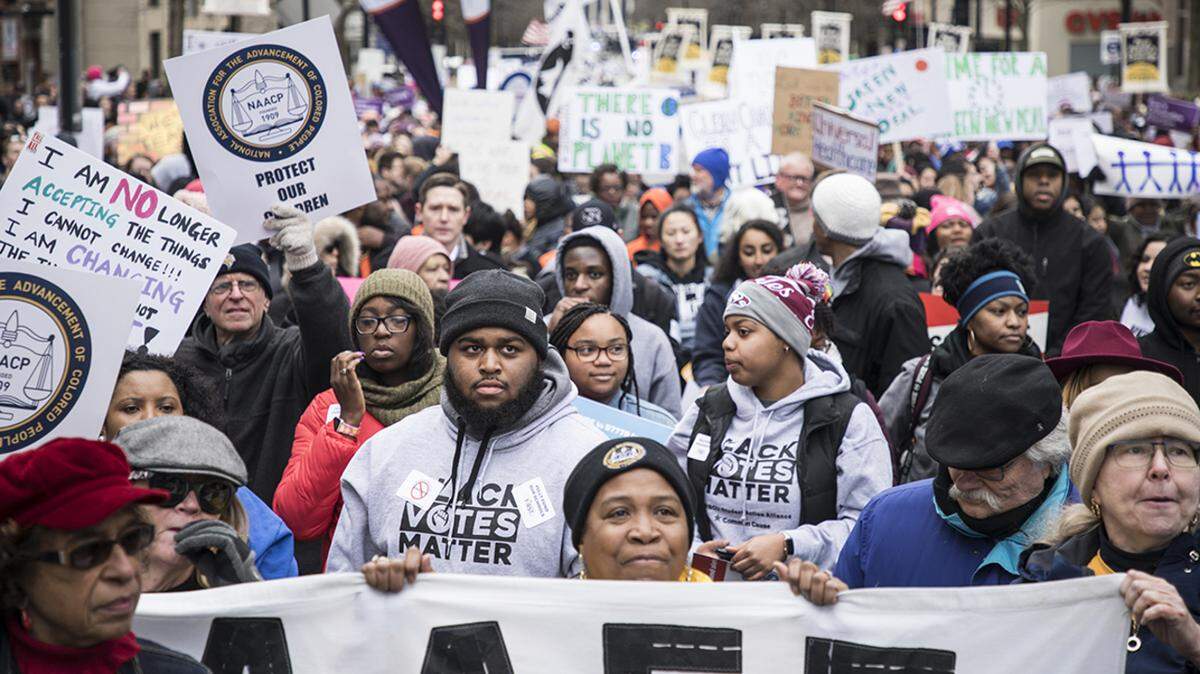
People of color live constantly braced for someone to say something outrageous to us or about us, sometimes without even realizing their offense. It happens in places we cannot avoid — classrooms, offices, even our churches. Often, these are spaces we have to occupy if we hope to survive, let alone advance ourselves. We do so knowing that a carelessly dropped remark, let alone a carefully worded insult dressed in passive-aggressive niceities, can land at any moment. It happens in 300-person lecture halls and in one-on-one conversations. A comment doesn’t have to be mean-spirted to be hurtful, but it can certainly still be ugly.
I was speaking with someone recently who blithely referred to “the coloreds.” Sit with that one for a bit. I have ever since he said it.
When marginalized people do speak up about such offenses, we are accused of being fragile, weak or whiny. Women of color, in particular, are labeled angry, aggressive or difficult to work with. Unacknowledged is that we have been absorbing this toxic nonsense throughout our lifetimes.
But if people who have chosen to run for elected office or to accept appointment to a position of authority are concerned about the possibility of a hostile reception, they can opt not to show up. They don’t need to make themselves vulnerable to the potential for in-person unpleasantness. Apparently, there are roles in life that provide a constant stream of dispensation for electing not to hear what you don’t choose to hear or see what you don’t choose to see.
If the irony were any richer, it could buy itself an ambassadorship. Or have a building named for it on campus. Or get one-on-one time with a senator. Indeed, those with enough money and influence are heard, granted access even when their words are critical or demanding. Meanwhile, those of us who are less valued can be ignored.
Personally, I can embrace all aspects of my life while still living with the internalized dread of what might be said next, ranging from the mildly hurtful to the deeply insulting.
Professionally, until I have a job where I can decline to hear feedback in ways that require my presence and participation, I don’t expect to understand the positions of those who do. But then, too, how can they possibly understand the positions of the rest of us?
This story was originally published December 26, 2019 at 12:00 AM with the headline "Unlike officials, minorities can’t avoid opposition."