
A solution to Charlotte’s growing traffic problem
Charlotte is choking on traffic. It’s now harder than ever to take a short trip to the store, much less get to work on time, because our streets are so mired in gridlock.
The clear culprit for this growing problem is cars.
Our fixation with driving everywhere, regardless of the distance, means our streets are crowded, dangerous and spewing pollutants into our air. And the city enables it.
Charlotte prioritizes car use by both design and policy. Our streets are kept unsafe for more efficient modes and we suppress potential solutions, even while traffic deaths in America are at historic highs.
Thankfully, it’s not too late to change; to reclaim our streets, our health, and our time. The city and the Charlotte City Council can take a range of steps to ease commutes, reduce our climate pollution, and make Charlotte a more livable place for all.
In 2020, it is finally becoming obvious to cities around the country that we have to move away from the single-occupancy vehicle as our preferred mode of transportation. In these burgeoning “smart cities,” cars are replaced by the thousands as Americans turn to lower-impact, energy-efficient modes like bikes and electric scooters, perfect for trips between 0-3 miles.
Charlotte can benefit more than most cities if we adapt as well. In fact, a recent study from the national transportation data analysis firm, INRIX, put Charlotte in the top five of American cities that can benefit from micromobility, or shared bikes, e-bikes, and e-scooters.
The study found that Charlotte residents drive more than 50% of the time for trips under three miles, putting a serious strain on our streets when other modes might be more efficient. This was a higher percentage than all but four American cities, a dubious distinction if we’re serious about attracting and retaining talent to sustain our economic growth.
The city and the council have been predictably cautious about scooters, to be sure of their impact. While this is admirable when launching a new service, scooters have proven their worth in Charlotte and should be seen as a solution to our crippling traffic problems. It’s time to let them scale, both in number and area, to meet growing demand so the city can clear its gridlocked streets.
The best part is, by doing so, the city and the council would merely be sticking to their word. When scooters launched in Charlotte, we were told the artificially imposed caps on the number of available scooters would rise and fall with their ridership. That has not happened. Instead, they’ve limited fleet size and penned them in a small part of town.
I fully appreciate the concerns my neighbors in Charlotte have raised about the scooters. I too believe we need to encourage riders to be better about parking them. And yes, when they ride next to you on the sidewalks, it can be unnerving. But they only choose the sidewalk because they feel unsafe riding alongside multi-ton machines that could end their life if a driver sneezes too violently.
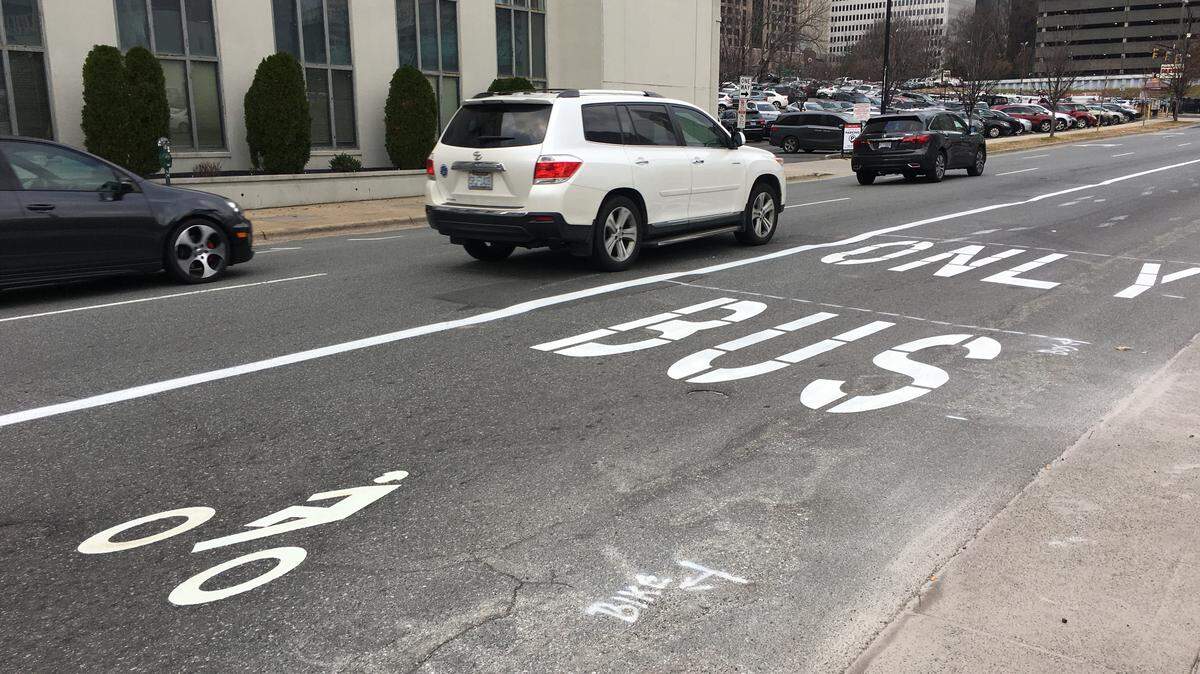
Making our streets safer and more people-friendly is not just about increasing the availability of bikes and scooters, it is about making them safer for all road users. Protected bike lanes are the answer. They organize traffic and delineate clear spaces for different modes. Even drivers are safer on roads with protected lanes.
Sadly, Charlotte is falling behind here too. Atlanta just announced it would be tripling the number of protected lanes. New York is moving forward on a protected lane network. It’s time for us to start realizing the benefits too.
Just like the Field of Dreams, if you build them, they will come. With safer places to ride, scooter riders, cyclists and others using light individual transportation will stay off sidewalks and avoid the danger presented by cars.
The lanes will even help bring some would-be drivers with them: those who are interested in leaving behind the stresses caused by traffic and parking. If you support safer streets, less traffic, and fewer bikes and scooters riding on sidewalks, you should support protected bike lanes.
It’s time for Charlotte to be ambitious about putting people first. This starts with letting demand determine scooter fleet sizes, just as we were promised. It follows with redesigning our streets, creating an environment where all street users can feel comfortable: pedestrians, cyclists, scooter riders, and drivers alike.
City policymakers should take note of how cities across the country are reducing emissions by welcoming scooters. Thousands of scooter riders here are doing the same. We need to let them go to work as a way to reduce traffic, reduce emissions, and improve the quality of life for all.