
The census is critical to Mecklenburg’s future
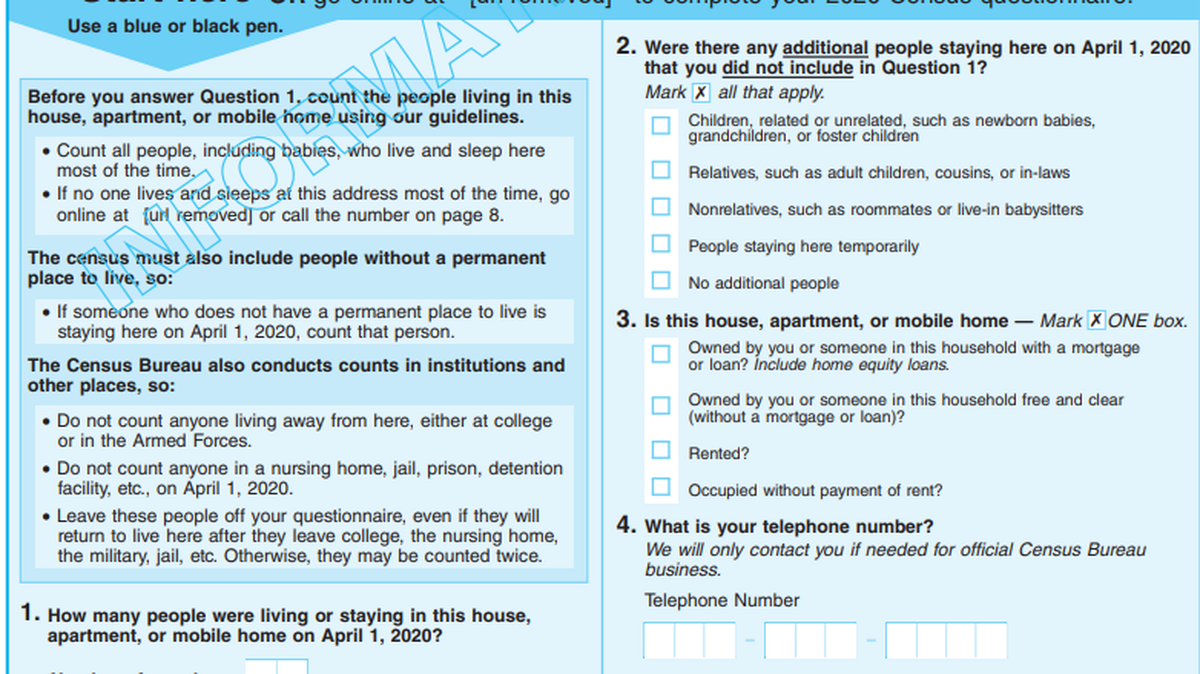
For most of us, the 2020 Census is not our first. The census, which begins this week, comes every 10 years. But many of us do not realize how important the census is to us, our neighbors and our community. The census count from 2010 has impacted our lives for the past decade, and this year’s census count will impact the decade to come.
What do you want the next decade to look like for Charlotte and Mecklenburg County? A complete and accurate census count can ensure that our community receives its fair share of federal funding for important things like transportation, education and health care services. It can also ensure that we accurately plan for the next 10 years and put resources where they are needed most.
When it comes to funding, every person counts. In fiscal year 2016, North Carolina received nearly $24 billion dollars through federal spending programs guided by census data. On a per-capita basis, this is more than $2,000 dollars per resident per year.
Counting every person where they live directly impacts access to City and County services. For example, the Charlotte Area Transit System recently used census data to redesign the entire bus network. The result has been improved connections to employment, and better service to low-income populations. Similarly, Mecklenburg County has used census data to locate services where they are most needed. The first of five Community Resource Centers opened in west Charlotte in June 2018, and construction will soon start on the second in Northeast Charlotte.
It’s not just government planning that is impacted by the census. Think about how important it is to have an urgent care nearby when you or your loved ones are sick. Atrium Health has opened 17 Urgent Care locations since the last census, using population estimates and demographic data to determine where the new facilities should be located.
Think about the groceries you and your family eat. Retail grocery chains use census data to determine where to locate their stores. The discount supermarket chain Lidl opened its first store in Charlotte in December 2019, following in the footsteps of Aldi. Nine of the 22 stores that Lidl and Aldi have in the region are located in “food deserts,” areas with low access to full-service grocery stores.These areas identified using USDA data linked to census information. Locating stores in these areas improves the quality of life for residents who now have access to healthier, more affordable food options.
Now think about how our state is represented at the national level. Our number of seats in the U.S. House of Representatives is based on census data. North Carolina currently has 13 seats; we may gain an additional seat if the 2020 count is complete.
When you think about all of the things at stake - funding, planning and representation - you might assume this is based on a complete and accurate count. However, 25% of residents did not participate in the 2010 census. This is where we need your help.
You can help us ensure a complete count by talking about the importance of the census with your friends, family and coworkers. You can also share information about the census on social media. You can invite a census speaker to come to your faith group, neighborhood association or employee gathering. Everything you need to communicate about the census can be found at meckcounts2020.com.
Please join us in working to make sure everyone in our community is counted. We only get one chance every decade. Let’s make it count!