
Coronavirus fears are no reason to skip childhood vaccines
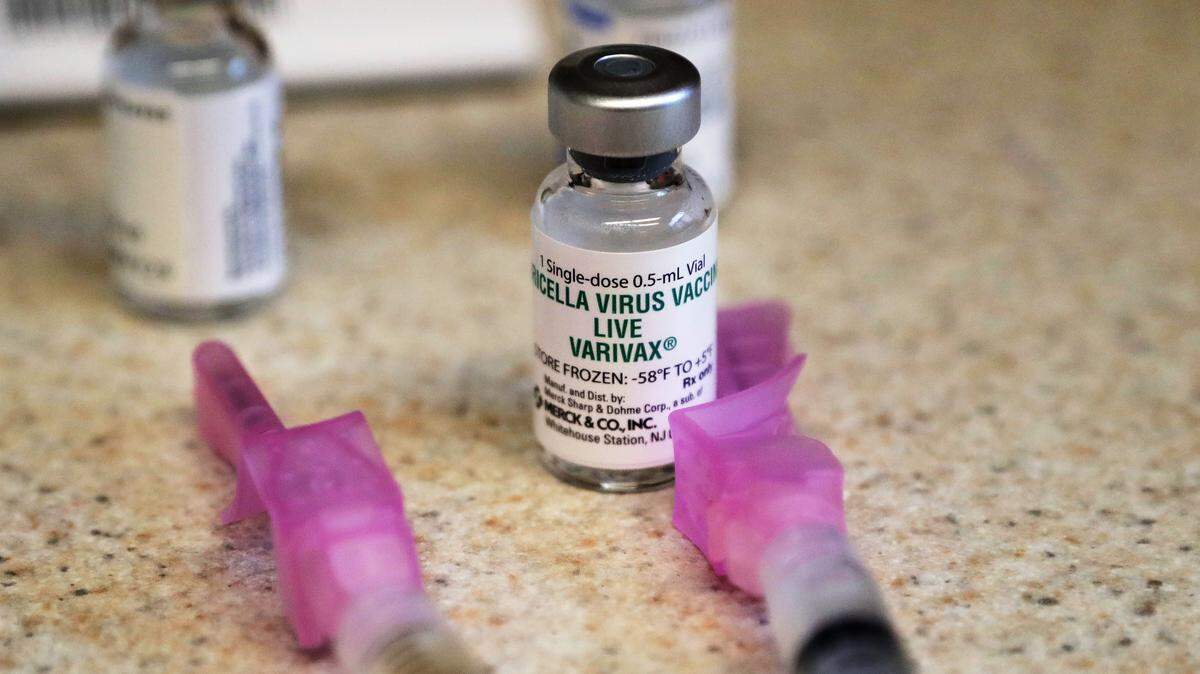
As the coronavirus pandemic continues, more and more parents are canceling routine health checkups for their children, leading to steep declines in childhood vaccinations rates. While parents’ worries about coronavirus exposure are understandable, their actions may actually aid the spread of other, vaccine-preventable diseases such as measles and whooping cough.
Parental concerns about vaccines existed long before COVID-19. In fact, in many communities in the United States, vaccination rates have dropped precipitously in recent years. Not surprisingly, these declines were accompanied by the resurgence of diseases such as measles, which was once considered effectively eliminated in the U.S. This trend led the World Health Organization in 2019 to declare vaccine hesitancy – parents’ decision to deny or delay vaccines for their children – as an imminent threat to global health.
COVID-19 appears to be worsening this problem, making parents fearful that a doctor’s visit may expose their kids to the disease. Yet even in the midst of this pandemic, getting scheduled vaccinations is very important, and failing to do so creates great risk for children and our public health.
Here are five things parents should know:
Getting a vaccine shot is safe, even during the pandemic. Administering vaccinations is considered an essential public health measure, and medical practices around the country are working hard to continue offering vaccination services. Some even offer drive-through options. But even getting a vaccine shot in a pediatrician’s office is not likely to increase a child’s exposure to COVID-19. Many medical practices are posting the measures they take to protect patients from COVID-19 on their websites. Concerned parents should call their pediatrician’s office.
While our attention has shifted to COVID-19, measles, influenza and other vaccine-preventable diseases continue to pose a threat to children’s health. In 2019, the U.S. reported the largest number of measles cases in more than 10 years. Just this month, we wrapped up a devastating flu season in which there were more than 39 million cases of flu and more than 24,000 flu-related deaths. Routine vaccinations are the safest way to protect children from these diseases and their continuing threat.
We’re in danger of losing herd immunity. For measles and other vaccine-preventable diseases, wide rates of vaccination have been the key to sustaining herd immunity. The rising trend of vaccine hesitancy puts that herd immunity at risk: in many communities, vaccination rates for measles and other diseases aren’t enough to sustain it. If large numbers of children fail to receive routine vaccines, we will continue to threaten herd immunity. That will create great risks for children with pre-existing conditions such as cancer who cannot receive vaccines.
Social distancing may be our best tool for COVID-19, but it’s not going to offer long-term protection from measles and other diseases. Staying at home and increased handwashing may temporarily help prevent cases of vaccine-preventable diseases in children. However, these benefits will disappear quickly as stay-at-home measures and travel restrictions are eased. As parents return to workplaces and children go back to school, under-immunized children will be most susceptible to new cases of vaccine-preventable diseases. Ensuring children are up-to-date with vaccines also will help prevent a mad rush to catch up on immunizations once restrictions are eased.
As our health systems are strained with COVID-19 cases, the last thing we need are hospitalizations due to vaccine-preventable diseases. Vaccinations prevent an estimated 2.5 million deaths in children under five annually; the number of illnesses and hospitalizations prevented are even higher. Skipping routine vaccines means more children will become ill with preventable diseases, increasing the strain on health systems.
The fear of a novel infectious disease like COVID-19 is understandable, and parents are right to want to keep their kids safe. But denying or delaying vaccines for measles and other preventable diseases does just the opposite. The last thing we need is for our worry about one infectious disease to make our kids and our communities more vulnerable to others.