
Essential workers like me need real protections
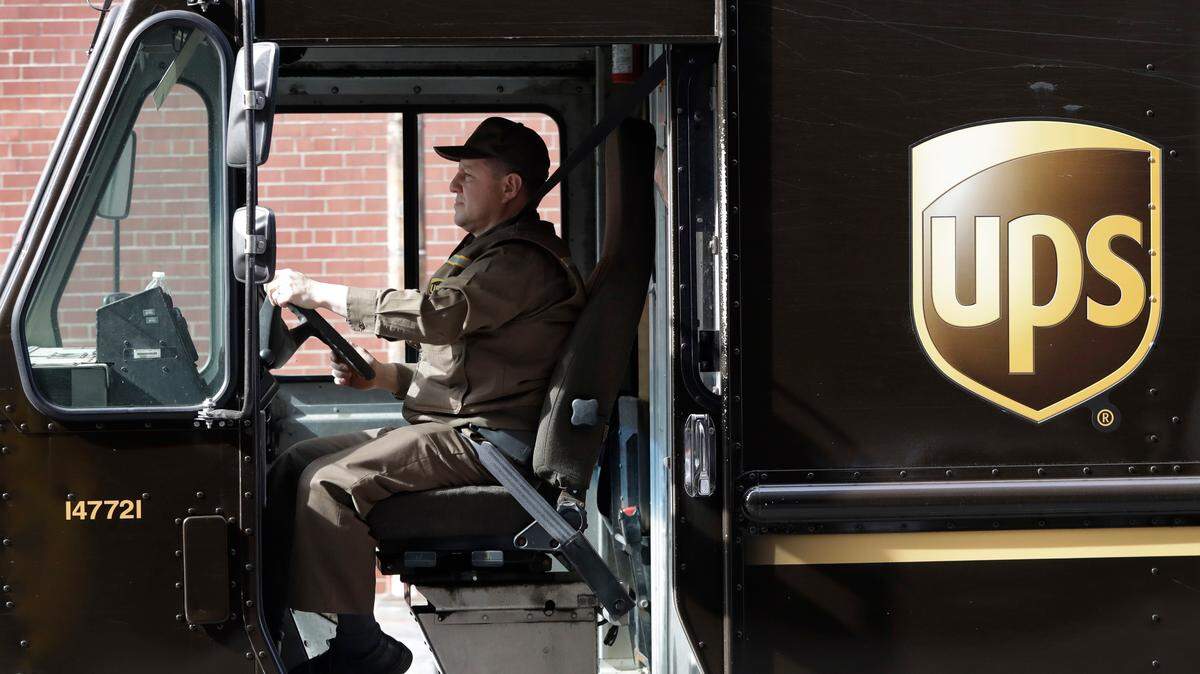
When the COVID-19 pandemic hit, I wasn’t focused on what to add to the Netflix queue or how to cancel spring travel plans. I was focused on my delivery route and how to keep my family safe and healthy while I continued to work.
I’m a UPS driver. That means that, according to the state of North Carolina, I’m an essential worker — someone who has to go to work despite the pandemic in order to keep basic services flowing for the rest of the community, including food, utilities, transportation, and health and home care. In my case, I’m delivering packages for over 10 hours a day, five days a week.
Without essential workers, the shutdown wouldn’t just be stressful or inconvenient, it would be dangerous or downright impossible. We enable the rest of North Carolina to shelter-in-place by putting food on shelves, transporting health workers, ensuring clean water, and working across our healthcare system to fight the virus. We are your grocery clerks, truck drivers, home health care aides, sanitation and transit workers, utility workers, and the doctors, nurses, and staff in hospitals, many of which are overwhelmed with an influx of COVID-19 patients.
Just showing up to our job presents us with real dangers and difficulties every single day. I have a wife and three children, and I’m terrified every day that I’ll get them sick. I don’t even greet them when I walk in the door now; instead, I strip, shower, and dispose of my uniform in the hamper first before saying hello.
North Carolinians know how much they depend on essential workers. But we don’t just need recognition — we need real, practical precautions, support, and compensation so we can continue to do their jobs. Too many essential workers are barely surviving themselves, working without appropriate equipment and safety standards, forced to put themselves and their families at significantly high — and unnecessary — risk. At UPS, it takes nine months for part time workers to get their health care. How can we deem them essential during a pandemic, put them in harm’s way each day, and still not provide health care for them if they get sick?
This is when we expect our leaders like Senator Tillis and Senator Burr to step up. Unfortunately, they have so far failed to fight for us in a real way. They have done nothing to protect and adequately compensate essential workers, even while they supported a massive bailout of hotels, airlines, and other big business.
We expect them to do better.
As part of the next stimulus, we must enact an essential workers’ bill of rights. A plan now circulating in Congress by that name outlines 10 key principles that such a measure needs to fulfill including health and safety protections, hazard pay, universal paid sick leave and family leave, job security and access to benefits, health insurance, and child care. It ensures that essential workers, not corporations or political cronies, are receiving our taxpayer dollars through the stimulus.
Additionally, Congress must provide health care for all workers during this crisis, regardless of immigration status or length of employment, and no-cost health care for employees who lose eligibility for health care coverage. If you are an essential person, working on the front lines day in and day out, you should have health care, no matter how long you’ve been at the job.
If Sens. Tillis and Burr are serious about getting us out of this once-in-a-generation crisis, they need to sign onto this essential workers bill of rights, and they need to fight for guaranteed health care for all essential workers. There’s no way the rest of the state can go back to normal unless the people keeping North Carolina healthy, safe and fed have the resources we need to do our jobs.
Sean Williams of Charlotte is a driver for UPS and a member of Teamsters Local 71.
This story was originally published May 11, 2020 at 12:00 AM.