
Four NC women: Why I protested
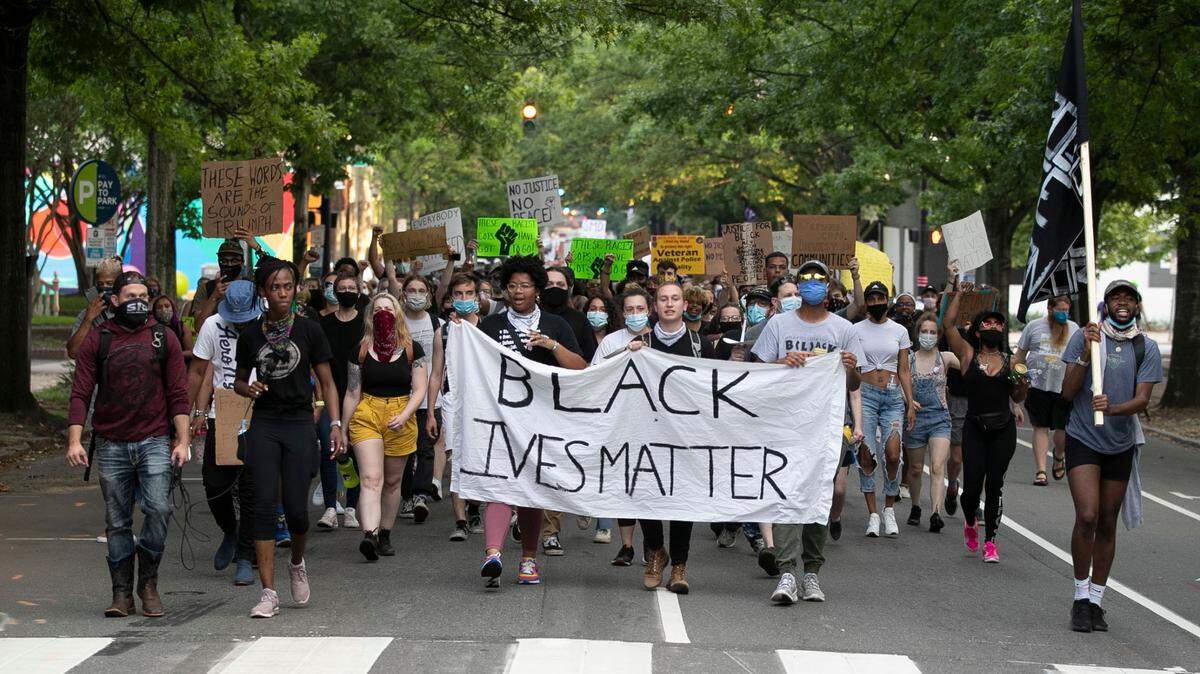
A Charlotte activist. A student at Elon University. A founder of a non-profit that helps women on the streets. A white resident of a Triangle retirement community.
Four North Carolina women were among the tens of thousands who protested in the wake of George Floyd’s killing in Minneapolis. They protested for themselves and for others. They stood up for the future or to reconcile the past. They marched, four stories among thousands, in solidarity.
This is why.
Tiffany Fant: I protest to get your attention
Black Lives Matter. Two weeks ago, I doubt most of you were saying it or posting it on your social media. And even though businesses, politicians, and other people are suddenly saying it finally, I plan to see who really means it. These three words aren’t a trendy phrase for me. And mattering is a starting point, not a conclusion.
I can still remember when things shifted for me.
There he stood outside a Baton Rouge convenience store in 2016, selling CD’s and minding his own business. I had seen men like him plenty of times working to make an honest dollar. Not able to obtain “gainful” employment for one reason or another but still willing to work.
As word had gotten out about local vendors getting robbed, Alton decided to arm and protect himself. He was then bothered by someone persistently asking for money. He showed his gun to get the person to go away, and the person called the police. And even though the store owner whose store he sold CD’s in front of vouched that Alton was not causing problems, that investigation never got to happen. Alton was tackled by two officers and told to get on the ground, even though he was on the ground, at their hands. They wrestled to get his arms; one yelled “he has a gun,” pulled back, and shot him to death from point blank range. No conversation. No investigation. Just dead.
After this incident, I got really motivated. That was my “I have had enough of being JUST emotional” moment. It was at that moment that I recognized we were stuck in a cycle, and I had to respond differently this time.
For Alton Sterling, being black and simply having a gun meant that taking his life was justified even though he was not harming anyone. But white men can walk around the streets of Raleigh and all through America, open-carrying, protesting, going to Subway, and harassing Black families with no problems. This includes Charlotte, where a white man was able to open carry during the protest on Beatties Ford Road with no repercussions.
While this recent string of events was a catalyst for some, they are simply the next logs on a fire that was already burning for me.
So what do we do? We talk and you misdirect. We show a video and you justify. For me, direct action became a better use of my time and energy. So, I protest.
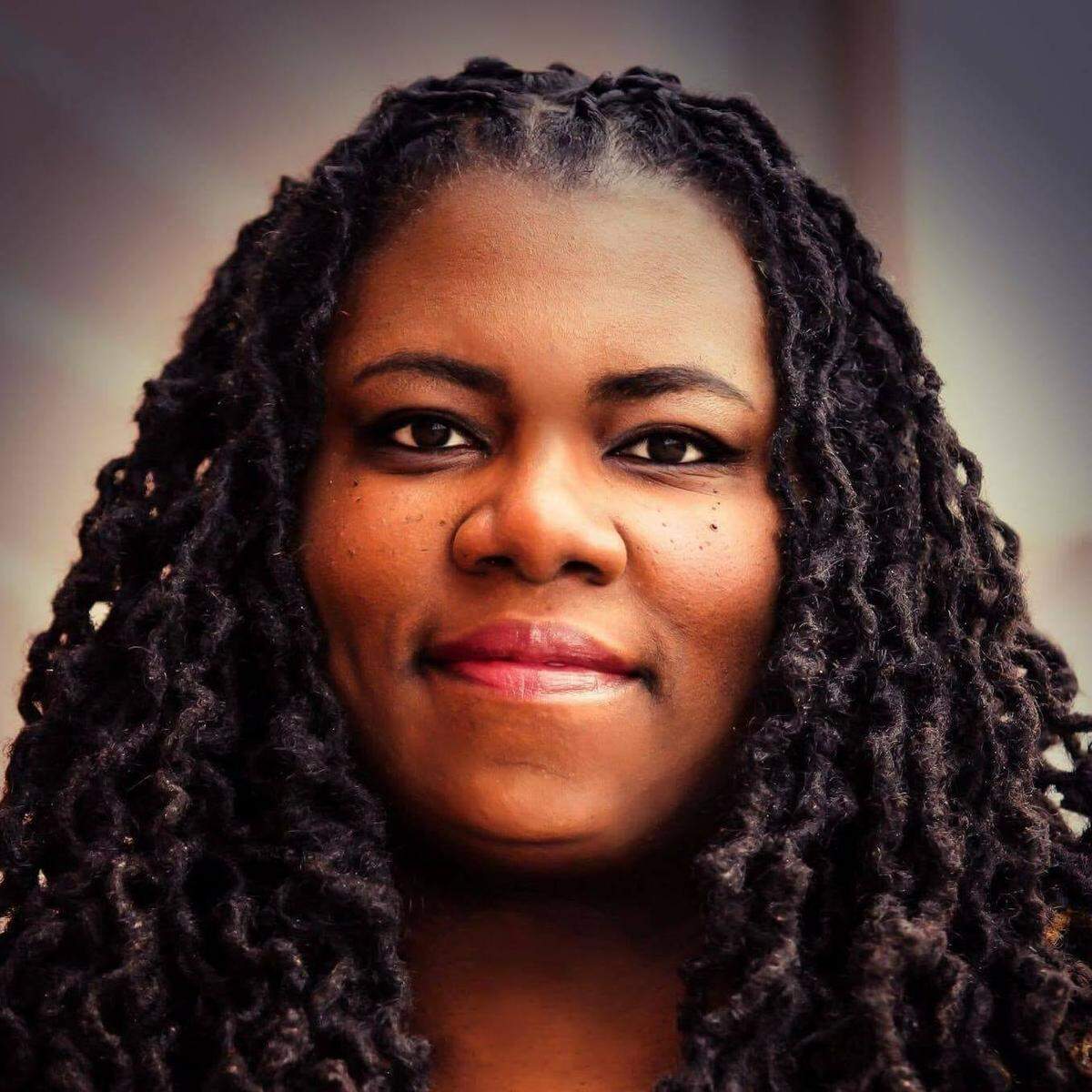
I protest because it is a form of resistance that causes an immediate disruption. It doesn’t require negotiations and compromise.
It is the opportunity where I feel collective mobilization begins. It is a language where you don’t have to get everything right or have every “I” dotted or “t” crossed, but people hear the message loud and clear and they pay attention.
Protesting allows for me to dig deep and challenge myself on the things that I say I stand for because regardless of how righteous I feel my cause is, there is someone who doesn’t.
I protest for those who said they couldn’t breathe, for those whose bodies were burned and hanged, for the Black babies that have yet to be born, so that they may know liberation.
Protesting helps me to release the emotion so I can settle into the long haul of strategizing.
Strategizing around pursuing real community safety along with investment in housing, jobs, transportation, re-entry, and community and mental health.
But first I protest. Because that’s what gets your attention.
Tiffany Fant is a Partner with Charlotte For Black Futures.
Paris Henderson: I don’t want to be the next #hashtag
I protested because I am tired of the hashtags. I protested because I am tired of nervously watching the police out of fear for my safety, instead of waving hello. I protested because I am tired of wondering whether I’ll make it home, or mysteriously die in police custody for a minor traffic infraction like #SandraBland. I protested because I am tired of worrying about my twelve-year-old daughter, or my toddler nephews when they are out of my sight – wondering whether their toys will be mistaken for a real gun and get them killed like #TamirRice. I protested because I am not safe at home, like #BothamJean and #AtatianaJefferson.
Each time someone in the collective black community dies, I feel hopeless and ask myself, how do you change an imbalanced system that lacks compassion, empathy, and care for people that look like me? I protested because I want the world to see the collective pain black people suffer; pain that crosses communities, state lines, and other countries. A pain birthed from inequity based on something so simple as skin. Why in 2020, do I still have to tell people that #BlackLivesMatter?
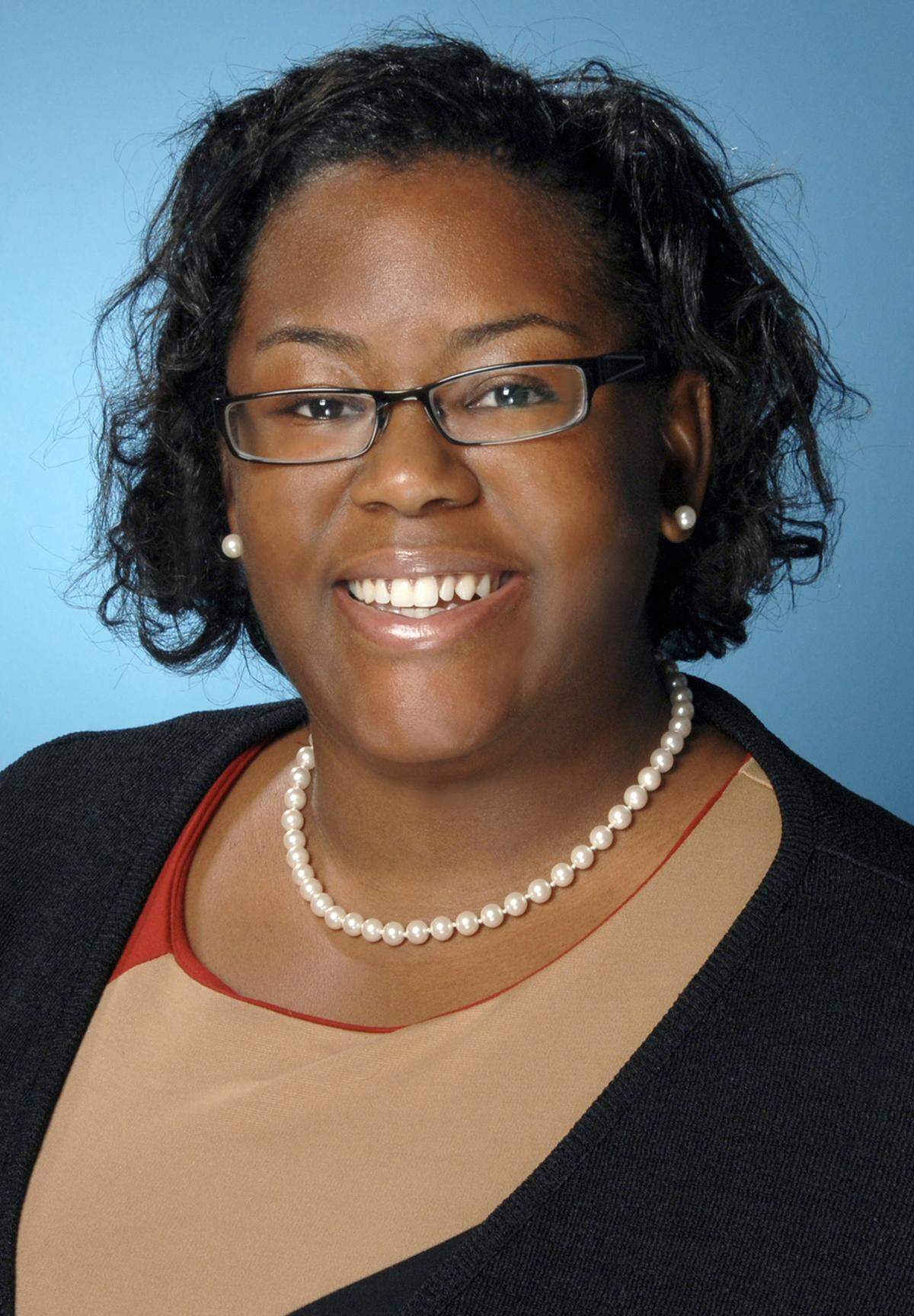
I am a dual-degree Juris Doctor and Masters of Business Administration student at Elon University School of Law in Greensboro. I believed that learning the law would help me somehow effectuate equity in communities of color. That belief was naïve, though, because the truth is, no matter how many degrees I hold, or how smart I am, my black skin is still a threat to some, and I can be falsely accused and arrested on my own front porch like #HenryLouisGates.
In the first half of this year, I have seen the murderers of #AhmaudArbery go months without prosecution. I listened to a heartbreaking and panicked 911 call made by #BreonnaTaylor’s boyfriend because Louisville Police broke into their home, shooting her eight times because they believed her to be someone else entirely. It was a mistake which cost Breonna her life, #sayhername. I watched #GeorgeFloyd beg for his life for eight minutes and forty-six seconds, while a white officer kept a knee on his neck until he lost consciousness.
I protested because I am tired and distressed. I protested because I don’t want to hashtag another name because of police brutality and racial injustice. I protested because I am black, and that can be a dangerous thing in America. Frankly, I protested because I don’t want to be the next hashtag.
Paris Henderson is a student activist at Elon University School of Law in Greensboro.
Pickett Guthrie: A second chance to speak out on race
On Monday, June 8, I joined 200 fellow residents and staff at Carolina Meadows in a commitment to equality. We stood outside on the golf course, eight feet apart from each other but close together in solidarity with national protests supporting racial justice.
Our ages range between 75 and 100 years old, so we remember the Civil Rights movement of the ‘60s. Some of us marched; some of us traveled to Selma.Yet many of us hesitated, not daring to offend nervous parents, white colleagues and bosses. Caution persuaded us to prioritize finishing our education, advancing our careers or caring for our children.
We applauded the new Civil Rights laws of the 1960’s and told ourselves that race relations were improving. Yet over the years one abuse after another pointed to the obvious – that small acts of inaction perpetuate the inequities we condemned. How often did we ourselves engage in dismantling these conditions?
.jpg "PastedGraphic-1 (2).jpg")
Over the years, comfortable routines persuaded us not to rock the boat. We applauded black professionals who arrived at our law firms, offices and medical practices. But did we speak up when someone made insensitive comments at the lunch table? Did we comment when colleagues pushed to give an internship to the child of a college friend instead of the better qualified but unknown black applicant?
Today we voice horror at police violence against black youth but leave black communities to solve their own problems. Over dinner at the Club Center, we say “Yes, Black lives Matter.” We talk about wanting more diversity at Carolina Meadows, but then we accept vague explanations that affluent black families care for elderly parents in their own homes and that they really don’t want to move here. Do we ask ourselves “What would it take to make our black peers want to move here?”
Now in the summer of 2020, what do I say to granddaughters who asks “What are you doing to support black people who struggle with inequities that limit their dreams?” These same grandchildren may listen patiently to tales of what I did for Civil Rights back in the ‘60’s ... but then they press me “What action are you taking today?”
Our gathering on the lawn was important. But if I stop after making myself feel good, I will have failed again. Personally, I hope to be brave enough to make this event a commitment to more significant action.
Can I afford to give more than a token amount of money to racial justice? Will I read one of Ta-Nehesi Coates articles about black anger and white fragility…. and read it twice, even if the words make me squirm? Dare I promise myself that next time this subject comes up I will speak out about doing more as an individual instead of waiting for government to solve the problem on my behalf.
After all, it is action (not words) that demonstrates to grandchildren how we live our lives.
Pickett Guthrie lives in Chapel Hill.
Adrienne Threatt: Together, we went and overcame
I went. Having no idea of what to expect at the wake of uprisings in Charlotte sparked by the death of George Floyd, I ventured out to the streets the very first night of protesting in our city. While there have been many uprisings in times past, the national cry of the black community this time around felt so much more intense. Now, more than ever before, I think we are just tired. I’m tired. The grief of yet another fatal outcome of police brutality was more than just a hyped up, media driven agenda to create a race war, as many like to suggest. For me and many others, the trauma of repeatedly having to deal with the failures of our justice system due to racial inequities was a heavy burden to bear.
And so, I went. A part of me sought to join the crowds as a sign of solidarity in the stand against injustice. Another part of me wanted to be present and available for the many hurting people I knew would be there looking for hope and light. So I went. I went to be a voice for justice. I went to be a listening ear for the hurting. I went to be hope and light, amid grief and chaos. I went to be a part of history in the making.
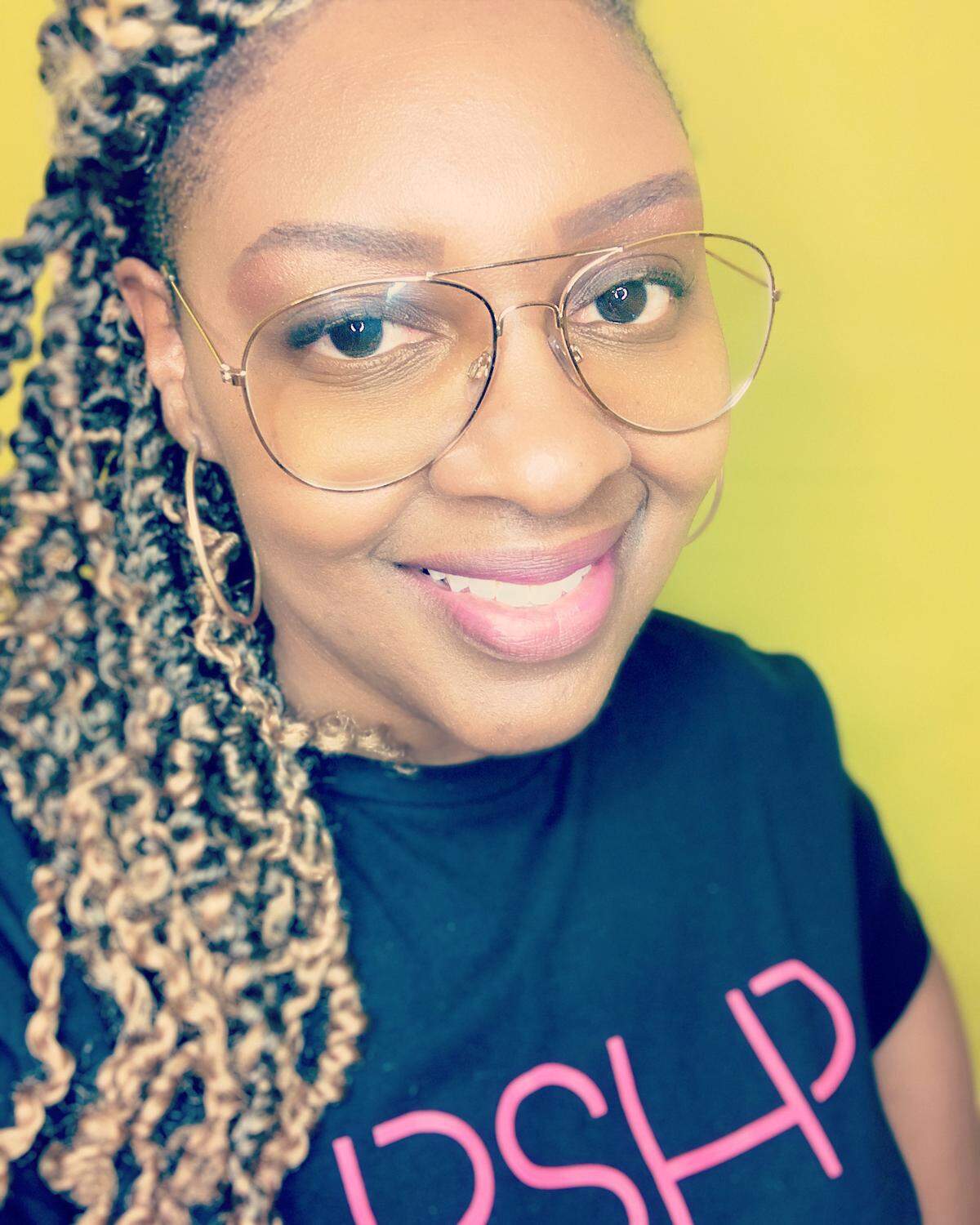
Since the first day of the protests, I’ve joined citizens on the streets seven times. I’ve had the opportunity to hear and see a lot. Some brought great joy and some great sorrow. There have been many critiques about the protests, but there’s far more to celebrate about these gatherings. When I look out into the crowds, I see people of all races, genders, ages, religious beliefs - all coming together in unity for one cause. There were people looking out for one another. Allies providing water and snacks. New leaders emerging to help boldly advance the cause of justice for the black community. People relentlessly pursuing reformation for this generation and the generations to come, despite their inward pain. We went.
I have especially loved seeing so many young people gathering. They are bold, courageous, passionate and willing to do whatever it takes to see change happen now. I recognized in these protests that their passion is not to be disdained but encouraged. Taking the opportunity to speak with many of the teenagers and young adults, I found that they needed strong leaders amid the chaos to help them process their feelings and facilitate the discovery and cultivation of the solutions that they are already carrying deep within. They went.
I recognize that seeing the nationwide protests, rebellions, riots and looting are hard to digest for some. My hope is that people will look beyond the things that make them uncomfortable to get to the WHY and the HOW. Why people like me would go to such great extents to make our voices heard and how they can be a part of the solution. The protests, in and of themselves, are not the end goal. These protests are the nationwide fire alarms going off to signal to others that there is a house on fire in the neighborhood. That house may need the attention of surrounding neighbors until the firemen arrive. My hope is that other citizens who are not in that burning house step out of their positions of complacency and do what is in their ability to help put out the fires of racism, injustice and inequity. I hope that years from now, we will be able to look back and say together, we went and we overcame.
This story was originally published June 13, 2020 at 4:35 PM.