
My memorable tour with John Lewis of a Charlotte history exhibit
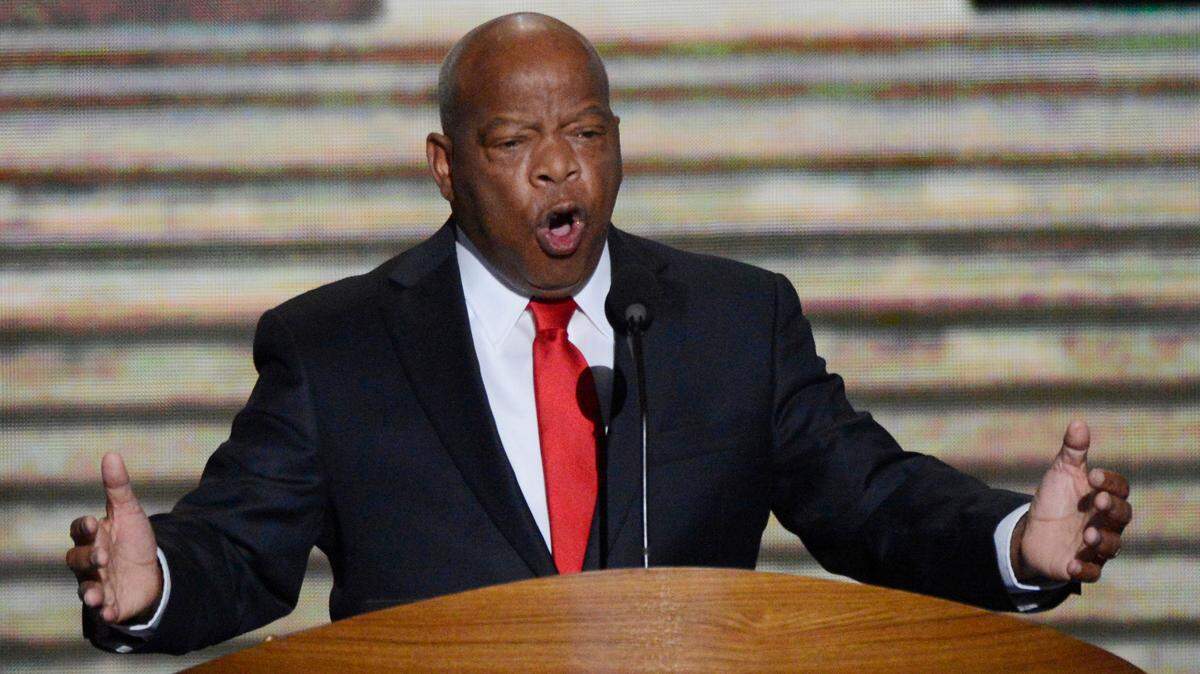
With the passing of Civil Rights icon John Lewis last week, my thoughts went back almost two decades to a visit that Lewis made to Levine Museum of the New South in Charlotte.
In October 2001 the Museum had opened its long-awaited permanent exhibition, “Cotton Fields to Skyscrapers,” which explores stories of the Charlotte region from the end of the Civil War to the present. For the next several months, the Museum worked with community partners to arrange events and programs. Gloria Kelley, then director of Dacus Library at Winthrop University, helped plan a visit by Congressman John Lewis that April. Lewis’s 1960s Civil Rights history had touched our area several times, including enduring a fearsome beating at the Rock Hill bus station during the Freedom Ride.
Emily Zimmern, the Levine Museum’s visionary CEO, offered Lewis a tour of “Cotton Fields to Skyscrapers” before his public talk. I got to tag along, one of the most special hours of my life.
A few minutes into the tour, we came to the exhibit’s re-created tenant farm house. Lewis planted himself. He wasn’t a dignitary breezing through yet another meet-and-greet. He was a boy who’d come home. He looked lovingly at its rough wooden walls, handmade table, newsprint “wallpaper” and open cooking hearth. He said, “This is where I grew up.”
In a voice quiet and full of emotion, he told the story (it’s in his memoir Walking With the Wind) about caring for — and practicing preaching to — the chickens that pecked in the yard around his family’s home in rural Tennessee.
The tour was starting to run long but it felt like it didn’t matter. Lewis projected a sense of calm, a sense of warmth, a sense being centered and comfortable with himself and with you.
When he was ready, we continued the tour. When we came to the large section on Civil Rights, Lewis stopped again.
A 1960-vintage TV played clips of news film of iconic national events. Ivi Billich, media producer who had helped create the exhibit, had spent many days in New York tracking down footage from ABC and NBC. His proudest find: raw footage of John Lewis leading voting-rights marchers at the bridge in Selma in 1965.
Lewis watched, entranced, as his younger self marched to a stop in front of police on horseback, who began beating the marchers with clubs.
You’ve probably seen excerpts. Lewis collapses under a blow that fractures his skull. Tear gas floods the air. Marchers in their Sunday best pick up a fallen middle-aged woman, desperately carrying her toward safety.
“I’ve never seen that,” Lewis said quietly. He’d seen clips, yes. But not this longer footage, chaotic, rough and raw.
History helps us understand where we come from, and how that shapes who we are. For John Lewis, on that morning in Charlotte, a museum exhibit brought him back to his own formative years.
For me, so lucky to be there, I felt the emotional power of his quiet reaction. In his life, John Lewis walked through poverty and violence and come out with an even deeper belief in a society built on love and respect, what he called the Beloved Community.
Whatever the troubles in our own personal past — or present — we can join that walk if we choose.