
COVID-19: Herd immunity or endangering the herd?
COVID-19 took the world by storm in late 2019, claiming over 850,000 lives and causing over 25 million cases of disease within mere months. The coronavirus pandemic marked the first time in the past century that the world has been faced with an epidemic of this scale and its unpreparedness was extremely evident. While countries have scrambled to implement methods of prevention and mitigation centered around social distancing, isolation, and protection of vulnerable populations, some communities have turned to dangerous herd immunity amplification strategies. As students at all levels return to school without a COVID-19 vaccine, understanding the meaning of herd immunity is of paramount importance.
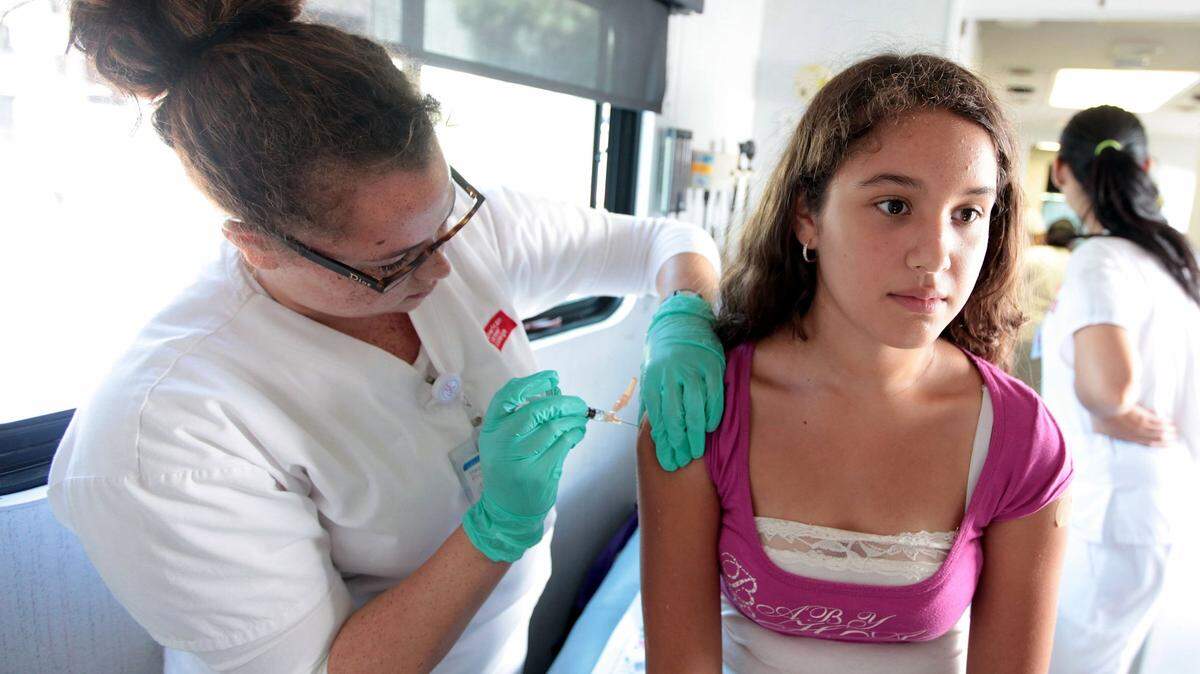
In public health, herd immunity refers to the societal benefit experienced when a substantial quantity of the population (the herd) becomes immune to a disease usually through vaccination, making transmission between people unlikely. Once the herd immunity threshold is met, even those who have not received or cannot receive the vaccination benefit indirectly.
The phrase herd immunity was first coined in the 1930s after observations were made that the incidence rate of measles declined among children in Baltimore once infection rates reached over 55%. Recently, this term has resurfaced in political lingo and pop culture, frequently being used to describe a possible way to mitigate the effects of COVID-19 by allowing widespread infections. The rise of this interpretation to the forefront of some countries COVID-19 response policy shows misunderstanding by politicians, the general public, and media alike of the concept of herd immunity.
In a misguided attempt to tackle COVID-19 the Scandanavian nation of Sweden eschewed a federal lockdown, opting instead to gain herd immunity through widespread infection. Sweden’s death rate from the virus is astronomically higher than neighboring Scandinavian countries. As of Sept. 6, Sweden was reporting 577 deaths per million people, a staggering 5 times the reported 108 deaths per million of its neighbor Denmark. Additionally, these mortality numbers include a large portion of the vulnerable elderly population that this strategy was initially intended to protect.
Allowing COVID-19 to spread unchecked especially among the most vulnerable populations has serious ethical and public health implications. This incorrect application of herd immunity is grossly irresponsible and will result in higher rates of unnecessary mortality and morbidity than traditional herd immunity acquired through vaccination routes. Currently, scientists have not provided conclusive evidence that exposure to coronavirus provides sustained immunity or prevention of a second infection. It is essential that effective mitigation strategies be implemented to prevent a future generation of people suffering from long-term COVID-19 related morbidity.
Historically, achieving herd immunity for diseases through vaccination has led to some of public health’s greatest accomplishments such as eradicating smallpox and polio. In addition to being the first disease to be eradicated, smallpox was the first disease to have a vaccine. In 1796, English physician Edward Jenner observed that dairy workers did not catch smallpox, so he conducted an experiment in which he rubbed cowpox pus on an uninfected boy’s blister, waited a few months, and then exposed the boy to pus from a smallpox patient. The boy didn’t develop smallpox and Jenner created the term “vaccination” from the Latin for cow, vaccus, to describe this practice.
Using cowpox to induce immunity to smallpox worked because the viruses that cause both diseases are similar. There are several types of vaccines used today that follow Jenner’s principle of exposing someone to a less harmful version of what causes illnesses so that the body can prepare for exposure to the actual germ. In Jenner’s time and today, widespread or herd immunity was achieved following this principle because the alternative is widespread morbidity and mortality.
It is no wonder then, that herd immunity is the optimal goal of the COVID-19 vaccines being developed. Any plan centered on community spread acquired herd immunity is immoral and relies upon unnecessary infection and death globally and here at home. As so much remains unknown about the novel coronavirus, the best strategies remain to physically distance, test, trace and isolate until an effective vaccine is deployed.