
For the struggling, a long hard run in NC
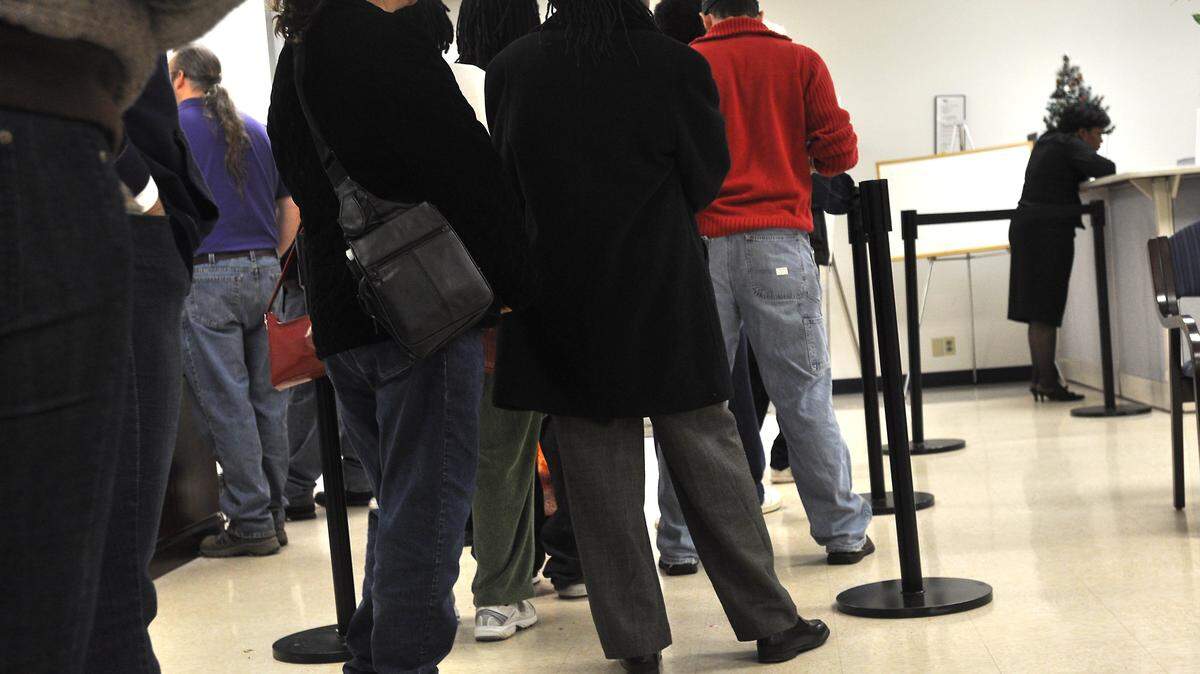
A national study, released a few days ago by Columbia University researchers, found that 8 million Americans have fallen into poverty since May. New U.S. Census estimates give us a frightening look at what is unfolding in North Carolina now as well. I’ll focus on the basics – hunger, income, household expenses, housing and health care. You might want, like our lawmakers frequently do, to avert your eyes.
Over 1.1 million North Carolina adults are presently experiencing food hardship – unable to get enough to eat. For Tar Heel households with children, 19% of adults reported that their families face notable hunger challenges. Those struggling with food insecurity are disproportionately African-American or Latinx – respectively twice, and almost three times as likely to be hungry as their white sisters and brothers.
Since May, 43% of Tar Heel Latinx households, 51% of black families and 36% of white ones have lost employment income. Almost a third of all N.C. adults are finding it difficult to pay for essential expenses. Again, those facing such challenges are disproportionately black and Latinx.
A massive housing crisis looms as well. Among renters, 36% of Hispanic, 16% of white and 10% of black Tar Heels have been forced to miss rental payments. For homeowners, 20% of Latinx and 14.5% of black North Carolinians are now behind on their mortgage payments.
And then, amidst an astonishing pandemic, there is health care. Because we refuse to expand Medicaid coverage, North Carolina has one of the highest rates of the uninsured in the United States. Thirteen percent of all Tar Heel adults are without coverage, 18% of all adults aged 18-65. Thirty-eight percent of North Carolina Latinos have no health insurance, 15% of African-Americans and 9% of whites. Despite these tragic figures, and the deaths that accompany them, we continue to instruct Washington to send our health care bound tax dollars to other states (38 of them, now including Missouri, Utah and Oklahoma).
Might it not be a good time to reconsider support for a Republican General Assembly that continues to target the poorest among us? Refusing Medicaid expansion is but one of their hallmarks, though it’s admittedly the most brutal one. Over the last decade our lawmakers have expressed pride in having assured that North Carolina now has the stingiest unemployment compensation program in the country. They made us the only state to ever abolish its earned income tax credit – thus raising the tax bill for working families making about $35,000 a year. They kicked thousands of poor kids off the food stamp program though it saved us not a penny, since the federal government pays the tab. They zeroed out the legal aid appropriation because lawyers were being too zealous in representing poor people. This is what Thom Tillis described as his program to “divide and conquer”.
I looked at the list, this week, of the ten states with the greatest hunger problems. There we were, of course, prominently displayed. We were ranked alongside our usual running buddies – Mississippi, Alabama, Louisiana, Texas, Oklahoma, Arkansas. Most entrants had one notable common marker, membership in the Confederacy. That doesn’t seem like coincidence.
We’ve had a long hard run now with a Republican legislature trying to out Mississippi Mississippi, out Alabama Alabama, and out Texas Texas. This is North Carolina. Let’s throw them out.