
Tranquility, grace and a North Carolina Thanksgiving
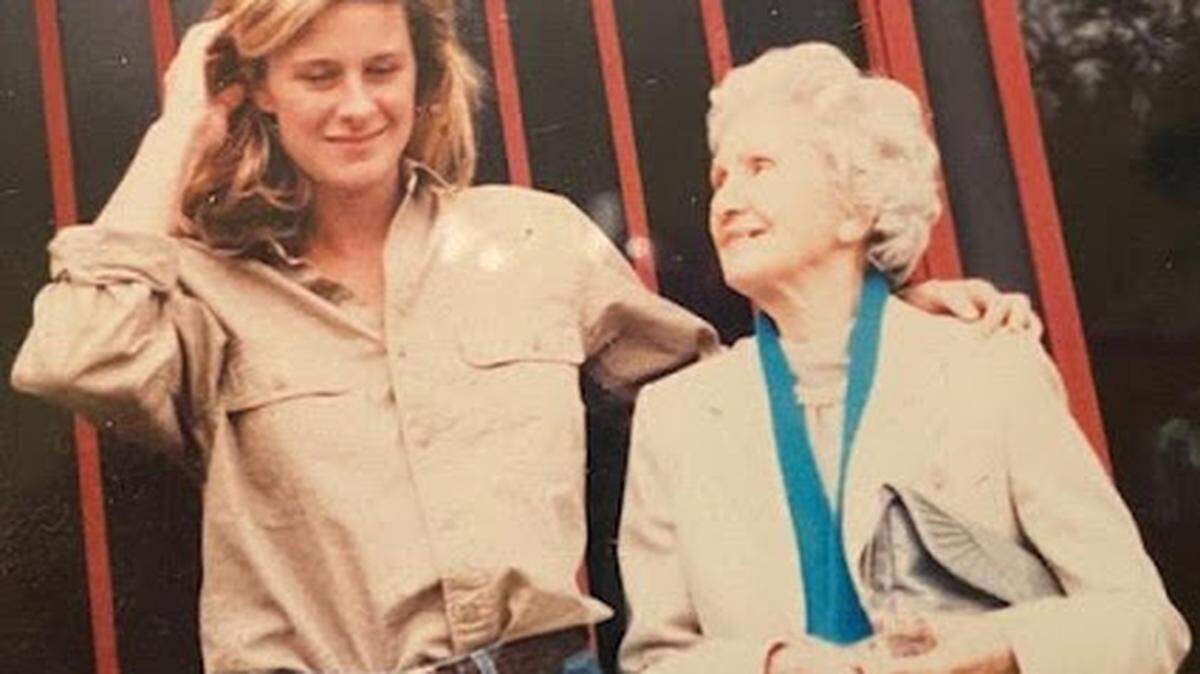
Growing up, I spent Thanksgivings, from the late-1960s to the mid-1980s, at my grandparents’ cotton farm straddling the North and South Carolina state line. I remember hayrides in a creaky mule-drawn wagon, with cousins bundled up in flannels on frosty Thanksgiving mornings. As a teenager, I learned to drive in the pasture behind the wheel of my grandfather’s Jeep Cherokee pickup, caked in cow manure. More than once, we nearly left the transmission in the Johnson grass that grew waist-high on hills, where rows of rainbow-colored, custom-built houses with dollhouse windows stand today.
Thanksgiving drew about 30 people at the end of cotton season. Neighbors pulled up in trucks from nearby farms; cousins came from Charlotte and the big city of Richmond in wood-paneled station wagons with moonroofs. My grandparents’ African-American housekeeper brought her three children to lunch. They were cherished members of our family, and we spent summers with her kids on the banks of Sugar Creek, mud-larking for Sugaree Indian arrowheads.
We were loud, heavy-handed people with violent laugher that shook the walls of the house. Thanksgiving was a day when cousins slammed the screen door to the back porch 100 times; the kitchen sounded like a Ford assembly line with clattering utensils, kerplunking ice cubes, and chirping oven timers. As decades rolled by, impassioned conversation hinged on unchanging topics: crops, politics, health, and college football blasting over the television after lunch.
What I remember most about the holiday is my grandmother’s tranquility in a storm of people. She was born in 1900. People called her Miss Rebekah, and she resembled the actress Andie MacDowell, with shiny dark hair and deep-set brown eyes. My grandmother wore gloves and a broad-brimmed sunhat year-round in her garden. When she died at age 97, there was not a freckle on her face or hands.
On Thanksgivings, Miss Rebekah greeted guests at the front door with her hair styled from a weekly appointment she kept for 70 years at the downtown salon. I picture her—posing in the doorway in a plaid dress with a cashmere sweater and a modest strand of pearls. Rather than wearing tennis shoes or floppy slippers, she wore silk stockings and kitten heels as she lugged casseroles and four-pound fruit cakes into the kitchen. If guests appeared in muddy overalls or velour track suits, she paid a compliment, saying, “Well, you look mighty comfortable today.”
As elegant as my grandmother was, her character was framed on the chassis of a tough country woman. She grew up poor in Fort Mill, South Carolina, with 14 full and half siblings. Her father fought in the Civil War. He was 66 years old when she was born and called her “Daughter.”
As a child, grandmother was thrilled to receive an orange on Christmas. Somehow — by way of miracles, every sibling earned some college education. My grandmother graduated from Winthrop College. She wore a gold class ring until her finger bent with arthritis.
The only time the house silenced on Thanksgiving was during the prayer, led by my grandfather, a Mount Rushmore of a man who operated Mecklenburg County’s last fully operational cotton gin. When Paw Paw bowed his head crowned with a mass of snow-white hair, I remember the contemplative elocution of his closing words: “For Christ’s sake, Amen.”
My grandmother died five days before Christmas in 1997. On the morning of the service a little brown bird flew into her house. Perching on a curtain rod, the bird studied mourners through shining eyes like Miss Rebekah’s. It was a celestial visit, reminding us to be respectful, gracious, and grateful for health and holiday blessings.
This story was originally published November 25, 2020 at 12:00 AM.