
Frontline workers face long-term consequences from the COVID war
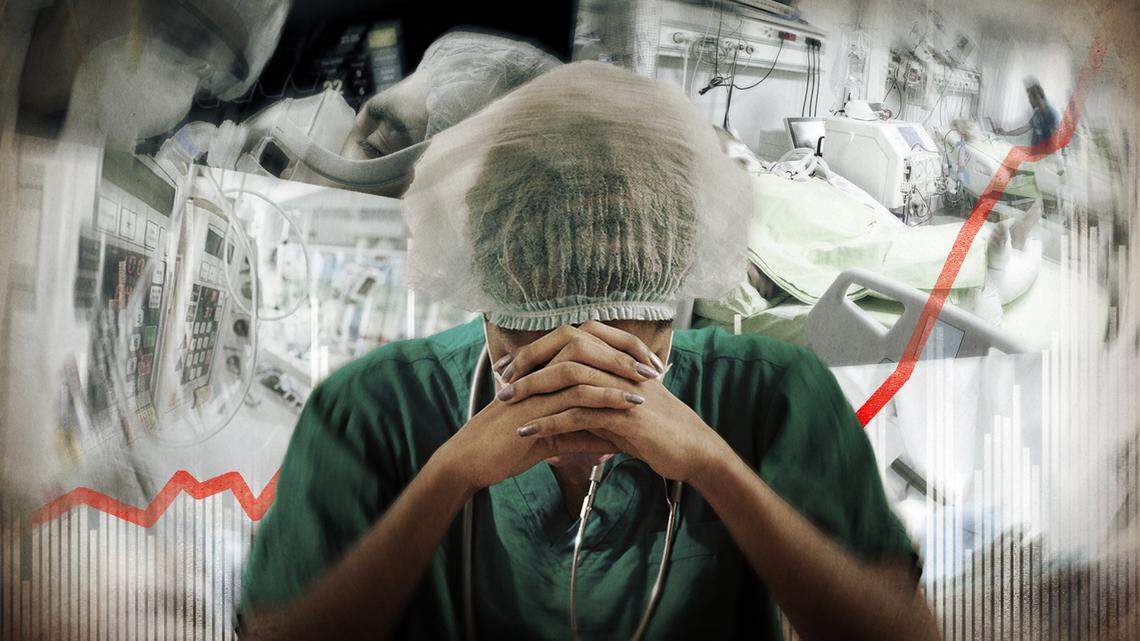
Soldiers go off to war and are rightly called “courageous” for fighting to keep the enemy far from our shores. But for those who are fighting the COVID wars, it is different. The enemy is already here. We are surrounded by an invisible foe that threatens to make us involuntary deliverers of death to those we most want to protect.
I have reflected on receiving my two vaccinations. As the nurse delivered the miraculous serum into my body, I realized my soul was also experiencing a great sense of relief — not for myself, but for my family.
Healthcare co-workers must deal with the same inconveniences we all face as we all try to avoid getting sick. But as a hospital chaplain supporting those on the “front lines” of the pandemic, I can tell you their real worry is bringing the virus home. Healthcare workers are aware of the dangers of being in close proximity to those infected with this awful disease. Yet they are willing to put themselves in harm’s way because of their innate need to serve others. Their family members however, didn’t sign up for that sort of thing.
This distinction makes the courage of healthcare workers a remarkable and terrible thing. Not only do medical workers put themselves in danger, but doing so also risks exposing those they love. This is a horrible burden. With vaccines here, hope rises that this unhappy time in our history will soon end. But doctors, nurses, janitors, and even chaplains like myself may suffer long-term effects from months spent battling this pandemic.
I fear many will develop post-traumatic stress syndrome from their experiences. Some already feel survivor’s guilt as they question why they survived COVID while a patient, friend or family member did not.
Anyone who has had COVID could have those feelings. I expect some may also experience a sort of “infector’s guilt.” While we do our best to wear a mask, wash hands, and maintain social distancing, there have been thousands or even millions of instances where one member of a family has been infected and then others have contracted the virus from them. In too many cases, those loved ones have died.
As a chaplain, I’ve been with a COVID patient who just learned that her son, also in our hospital, has died from the same disease. There have been quite a few instances where I couldn’t send a condolence card to a person listed in our records as the next of kin of one our deceased COVID patients because they, themselves, had just died of the disease. And consider the plight of those who have loudly railed against wearing a mask but then bring the virus into their own home or that of a friend? Imagine their soul’s burden as they recognize how their choices may have led to their loved one’s death. Will their earlier words of defiance come back to haunt them?
At least there is one good thing emerging from this. We have been reminded of how much we want to be close to those we care about, sharing a story, a laugh, or even a tear. After being denied those experiences for nearly a year, we now realize just how much we need them.
Today’s technology has made these times a bit easier, but reading a Facebook post or staring at a Zoom screen is not the same as looking directly into the eyes of those you love or hearing a familiar voice coming from their mouth and not a speaker. That’s an important lesson and one we should apply over and over again as we make our way through the remaining months of COVID-19’s devastation. May our future reunions, which hopefully aren’t too far off, be blessed with a recognition and expression of our mutual love.
We need to lean on each other as we move forward. Fortunately, that’s the one thing we’ve discovered we most want to do. We want to be with those we love. Let’s have that love be the means to propel us toward a brighter tomorrow.