
Passover and the post-COVID world
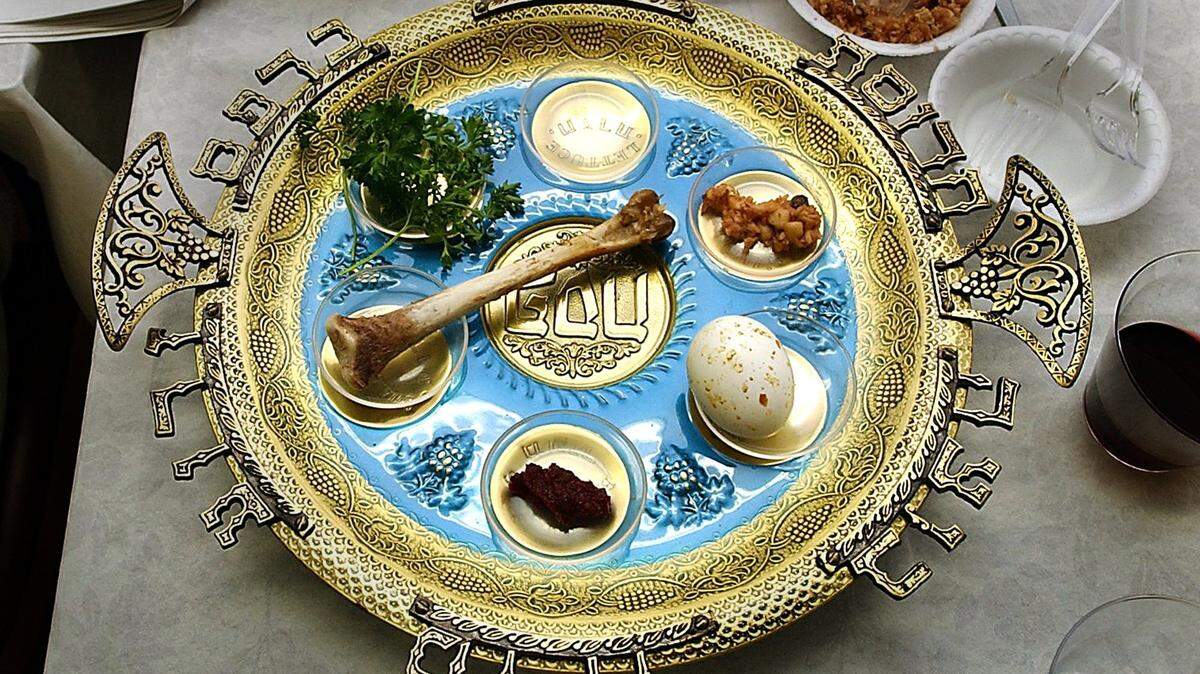
Last year, as I soaked up the warmth and enjoyed the burst of blossoms of a Charlotte spring, I felt a discrepancy between the beauty of my surroundings and a foreboding that the world was closing in around me. As Passover approached, I felt an even greater disconnect. How was it that I wasn’t spending days planning, cooking, arranging and then rearranging places for a crowd? How was it possible that I was cooking for only two? Now, one year in, I’m still disoriented by the thought of a tiny seder if not the micro-seder of last year.
The irony is that exuberant Passover seders have been stopped dead in their tracks by a plague. Instead of plagues leading to our liberation, this one has been holding us hostage.
Our current captivity and that of our ancestors in Egypt have similarities and differences. An obvious distinction is that, while their oppressor was the hardhearted Pharaoh, ours isn’t even living, but an electron microscopic infectious agent. Both induced widespread terror. And both seeded uncertainty about the future.
We can take comfort that our forebears’ task was much greater, as they hurriedly (as we are reminded by matzah, the unleavened bread which didn’t have time to rise) gathered up possessions and left their homes, not knowing their destination. Yet, if we find ourselves thinking that our ordeal has been easier and we need only to wait this out for our world to return to normal, we should dispense with that illusion.
This pandemic has changed the world in ways big and small. Now that we know how many jobs can be done remotely and have seen the power of Zoom, will our roads be less congested and our air cleaner? Will there be a market for business pants and skirts? What will happen to the dry cleaning industry?
Will there be a move to return to business as usual in health care? Or will we acknowledge that everyone needs health care, not only for social justice, but because viruses don’t discriminate. The virus that infects the uninsured person who doesn’t seek care might next infect you or your loved one.
And what will happen to truth? Truth has been battered these last several years, most strikingly in the last year. We were subjected to unwarranted reassurances about the coronavirus and the myth of a stolen election. And the George Floyd protests, especially in juxtaposition to the Jan. 6 insurrection, laid bare the lie that we have equal protection under the law.
After the Exodus, our awestruck ancestors received the Torah, the Five Books of Moses, on Sinai. And, though they were not unwavering in their acceptance, it has proved a durable foundation for millennia.
One thing that differentiates us from the Israelites in Egypt is that we surely will not be summoned to Sinai for a revelation. But, we will have choices about whether to heed the voices of false prophets or to seek truth. Those guiding us out of this wilderness are scientists who plug away in unglamorous labs and leaders with a commitment to seek justice and equity for all who dwell here.
These Passovers have been different from all other Passovers. And the post-COVID world will be different from the one that preceded it. I hope that the choices we make will bring us to a better era, one in which truth is not the victim, but the victor.
This story was originally published March 29, 2021 at 7:41 PM.