Home care nurses like me deserve better pay. Increase funding for NC’s PDN program.
Welcome to NC Voices, where leaders, readers and experts from across North Carolina can speak on issues affecting our communities. Send submissions of 300 words or fewer to opinion@charlotteobserver.com.
NC must take care of caretakers
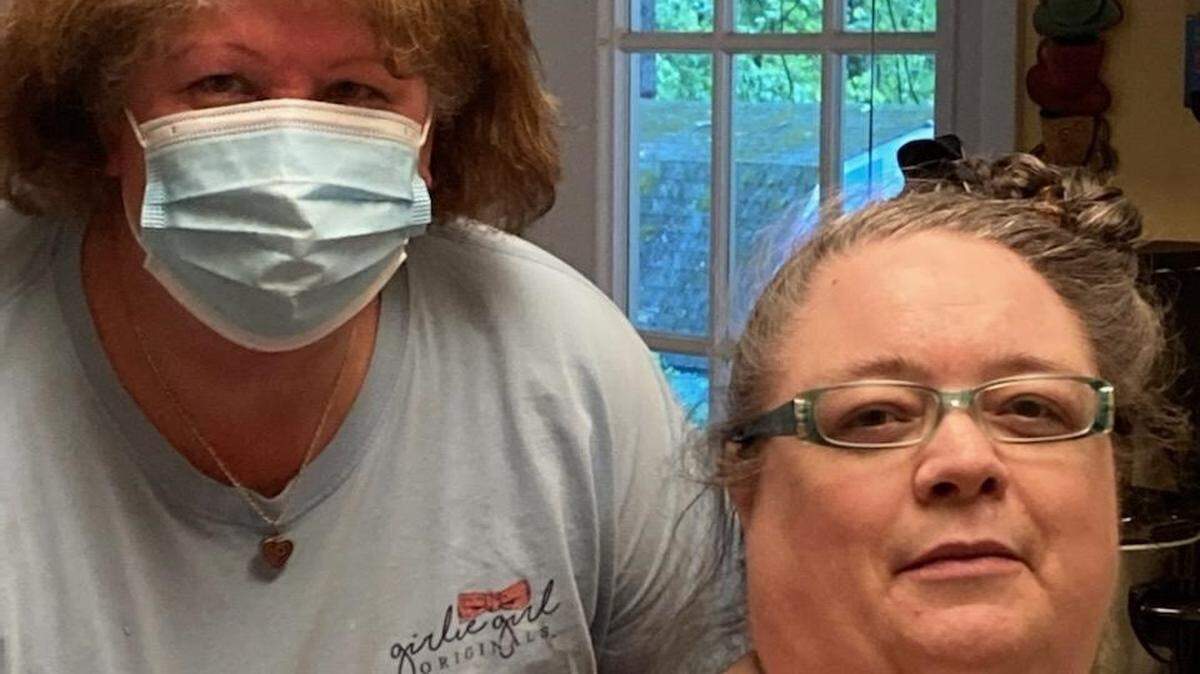
The writer is a licensed practical nurse with BAYADA Home Health Care.
My job as a home care nurse is so much more than a profession. I know I can make approximately $15 more per hour working in a hospital or nursing home, but my big heart keeps me in home care.
I can’t leave my clients, but the current situation makes life so much more stressful. Missing one hour of work means I might not be able to pay my bills that month.
I know many nurses who have a passion for keeping people at home, but have had to make the heartbreaking decision of working where they can earn more. It makes sense — they have to provide for their own families. But it’s a shame, because as nurses leave home care for better-paying jobs in facilities, families that rely on North Carolina’s private duty nursing (PDN) program suffer because they can’t access the home nursing care they need.
I’ve dedicated my life to helping medically-fragile children and adults live as normal a life as possible, and now almost 2,000 N.C. families that rely on the PDN program are at risk. With an increasing shortage of home care nurses, these vulnerable individuals are forced to risk their safety with no care at all — or must find care in the emergency room or a long-term facility.
The wages that in-home nurses make in North Carolina aren’t proportional to the work we do.
We need North Carolina to recognize the value of in-home nurses by increasing state funding for the PDN program. Lawmakers can make this happen by ensuring that they vote to include a $5.8 million increase in the upcoming budget.
North Carolina residents who rely on PDN care to stay safe at home among their loved ones can’t wait any longer: The deadline for budget decisions is this month. The state needs to take action now to ensure there are enough in-home nurses for these individuals and their families.
Michelle Crance, Shelby
Expand Medicaid, boost cancer care
The writer is a retired surgical oncologist and former chair of the American College of Surgeons Commission on Cancer.
North Carolina is one of 12 states without expanded Medicaid funds through the Affordable Care Act (ACA). Although taxpayers of North Carolina contribute to the Medicaid program, these funds are used by 38 other states and the District of Columbia for their underserved populations.
I’ve had the privilege to participate in the surgical treatment of cancer for more than four decades. Many N.C. citizens who are uninsured or underinsured lack the prevention, screening and timely care for cancer when disease is most amenable to cure. States and institutions that care for poor people always tend to have poorer outcomes when compared to more affluent populations.
These factors repeatedly show the negative effects of race and ethnicity tend to disappear when patients have timely treatment in states that have expanded Medicaid under the ACA. In states not choosing Medicaid expansion, underserved adults diagnosed with advanced cancer were significantly less likely to begin cancer treatment within 30 days of diagnosis.
In states that expanded Medicaid, patients receiving timely treatment increased significantly. A 2020 study in Ohio compared pre-and post-Medicaid expansion cancer outcomes and reported that patients with breast, cervical, colorectal and lung cancer had a 15% reduction in cancers that had spread (Stage 4). These studies imply that an at–risk population might have a better shot at survival by receiving more timely care.
The message is that all of us in North Carolina are missing an opportunity for improved cancer care as we continue to debate Medicaid expansion. The benefits go beyond cancer care. Medicaid expansion would benefit citizens with other acute and chronic diseases. Time for debate is over; data support that inactivity on this legislation is an ongoing healthcare hazard.
Dr. Frederick L. Greene, Charlotte