Former Charlotte mayor: We must dismantle the racism baked into our systems

Welcome to NC Voices, where leaders, readers and experts from across North Carolina can speak on issues affecting our communities. Send submissions of 300 words or fewer to opinion@charlotteobserver.com.
Dismantle baked-in racial injustice
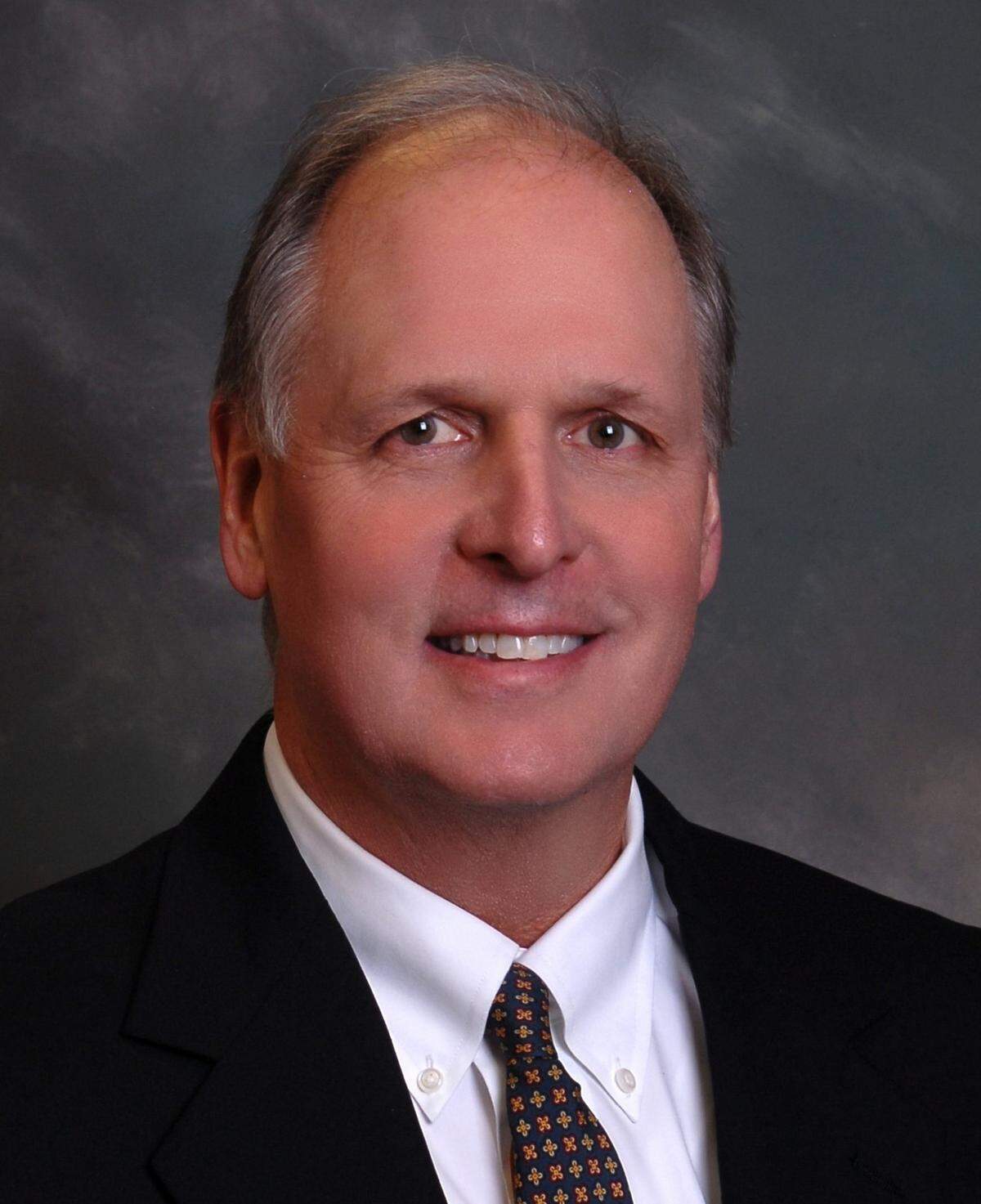
The writer is a former Mecklenburg commissioner and Charlotte mayor.
I read with interest the Editorial Board concern about the enthusiasm for racial justice fading in North Carolina (May 27 Opinion) Yet, there is more need than ever to continue to transform our American systems to dismantle the racist underpinnings that continue to shape them.
True, for some the concern over racial justice is fading, as other concerns like the economy and COVID loom larger. But for many, the enthusiasm persists, the recognition of the need to address systemic racism is growing, and the desire for real change is stronger than ever.
We will never make progress on the opportunity gap, healthcare access, income inequality, police brutality, quality public education, or climate change, until we dismantle the racism that is baked into all our systems.
There is a group that has been meeting consistently in Charlotte, twice a week since the murder of George Floyd, to hear from those impacted by racism and begin to build recommendations for reform throughout our society. We call ourselves the Reimagining America Project and have been working with local community leaders for the past year. A recent hearing can be found on our Facebook page.
We believe that by telling and amplifying the stories of those who’ve been impacted by systemic racism, and those in power who’ve seen its impacts, we can build support for transformative change. We know the path will not be easy, or short.
We are meeting with policymakers and presenting recommendations, with the weight of truth and reality behind them. We’ve been contacted by other U.S. cities interested in bringing this work to their communities. We believe that healing can start locally and build. We believe that we can reimagine and rebuild an America without systemic racial bias. We invite the community to join in our work.
Jennifer Roberts, Charlotte
Restore tobacco prevention funds
North Carolina recently received payment of $167 million from tobacco companies as part of the Master Settlement Agreement (MSA) to help compensate our state and its citizens for the direct and indirect costs of tobacco use and addiction.
The MSA is an agreement between major cigarette manufacturers and the attorneys general from 46 states that, every year, tobacco companies will send funds for damages caused by tobacco-related illnesses and for education about the harmful effects of tobacco use.
On average North Carolina has received $140 million annually from the MSA. Approximately $17 million — just over 10% of what N.C. received this year — used to be spent annually on tobacco use prevention programs in the state. No money is spent for this purpose currently.
Over the past 10 years in North Carolina, e-cigarette use has skyrocketed, especially among teenagers, increasing more than 100% per year. That has directly coincided with removal of funds for tobacco use prevention by the N.C. legislature beginning in 2012.
The reason given by legislators to defund tobacco prevention programs was a budget deficit. These funds have never been reinstated. Would we stop paying for traffic signals because of a budget deficit? Siphoning away tobacco use prevention funds for other expenses makes no sense.
Practicing as a general internist for 35 years and observing the extraordinary health differences that develop over time between smokers and nonsmokers, providing information about the harmful effects of tobacco use is of paramount importance to our teenagers as they prepare for adulthood.
Not being addicted to tobacco products confers a higher likelihood of being more consistently and better employed, with better health, and having an overall better sense of well-being. I see it every day. It’s brutally obvious.
Dr. Robert Nevill Gates, Greensboro