
College athletes are cashing in, and the sky isn’t falling
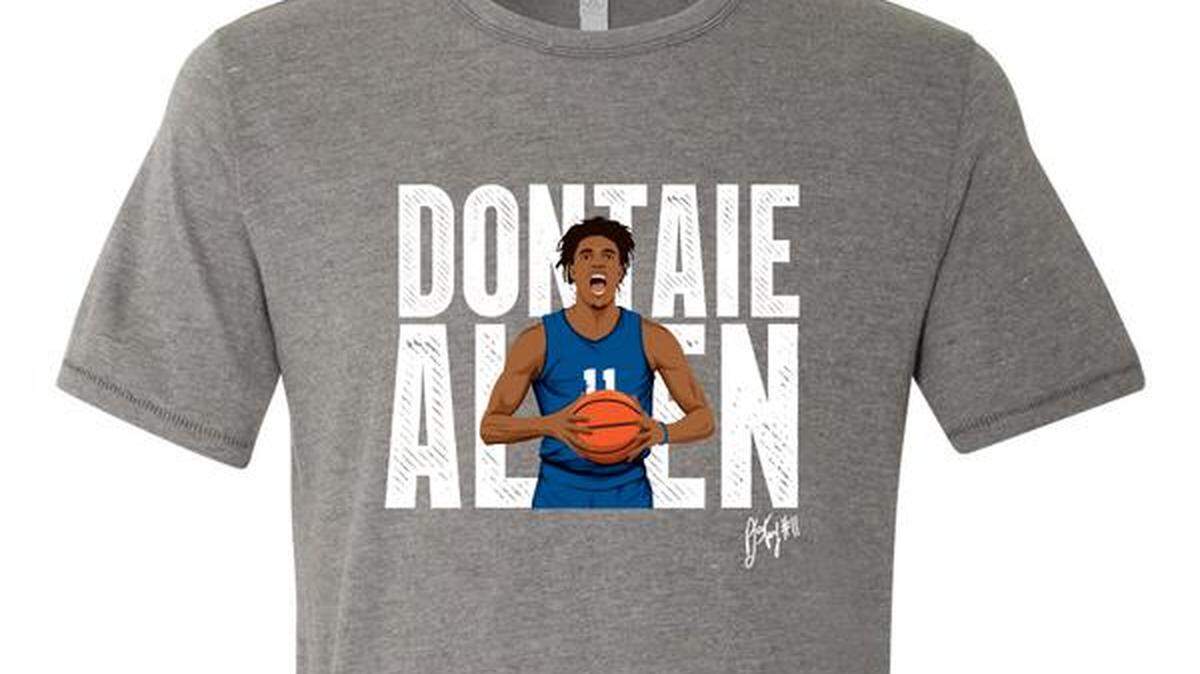
Beginning on July 1, college athletes were allowed for the first time to monetize their names, images and likenesses (“NIL”). This sea change came about through two years of state legislative efforts, broad public support for the idea, and ultimately, grudging acceptance by the NCAA when it ran out of options.
The advent of NIL for college athletes is, depending on your view, either a long overdue reform or the beginning of the end of college sports. Some are concerned that NIL is ultra-complex and dangerous and should be heavily regulated. Others (like me) don’t agree, finding NIL to have lots of upside and not many problems. Now, the universities are each creating their own NIL rules, and they seem to agree that NIL need not be regulated with a heavy hand.
Schools like Duke, N.C. State, Kentucky, Michigan, Alabama, N.C. State, Auburn, Richmond, and Davidson have issued similar and simple NIL rules, and most of them cover only two or three pages. More come out every week. Compare these rules to the last (never finalized ) NCAA proposed NIL rules, which covered over 20 pages of fine print that read like the Internal Revenue Code. The schools’ approach is a breath of fresh air.
The college rules broadly permit athletes to earn money by endorsing products or selling ad space on their social media feeds, making personal appearances or running summer camps, and profiting in almost unlimited ways from their athletic talents and fame. The few limits placed on NIL are, first and foremost, no use of NIL in recruitment. Everyone agrees that’s very important. Other common rules: no payments from the school itself ; no rewards for particular accomplishments (like touchdowns); no infringement of university trademarks; no conflicts with existing university contracts; and no ads for gambling, drugs, and the like. I’m not saying these rules are perfect, but they are easy for athletes to follow and leave plenty of room for them to exercise their new rights.
But, you may ask, what about all these new things athletes can do? TV advertising, apparel deals, and a dizzying array of social media activities – isn’t this going to be chaotic? Shouldn’t the colleges control this?
The answer is no. The schools aren’t supposed to control what is called “third party NIL,” any more than they control the income of their students who can sing, act or write code. And except in limited contexts like recruitment, these NIL activities are harmless. The situation only looks complicated because the NCAA has been so slow to reform.
If you’re not convinced, imagine that the NCAA had allowed NIL in the 1980s, when the Olympics liberalized its amateurism rules. College stars like David Robinson could have gotten TV or print ads, and a decade or two later, when shoe companies were throwing money at major universities, they could have thrown some at Peyton Manning or UConn hoops star Sue Bird. No need for major rule changes regulations there. And when social media became prominent, athletes like Cam Newton could have cashed in on line. Again, where’s the rub?
The situation looks dangerous to some because all these opportunities arrived at once. The dam has burst, but this river of opportunities doesn’t threaten college sports, and the colleges themselves have shown us that through their reaction — minimal regulation.
Yes, the proverbial Tuscaloosa car dealer who (according to Alabama’s rivals) slips bags of cash to high school stars to entice them to go to Bama can now offer overpriced NIL deals. That’s illegal recruiting, and the NCAA should continue to police it. But a rich NIL deal that the same player gets when he proves himself, or smaller deals for less famous athlete, are not troublesome.
So I say, bring it on, and don’t worry about it too much. Some athletes will make mistakes, but it won’t hurt college sports. It will make them look more equitable, as those putting on the show will share in the wealth, without costing the schools a nickel.
This story was originally published July 21, 2021 at 8:15 AM.