
A fitting tribute to a life in the classroom
Little more than a year ago I laughed when someone asked me when I would retire from teaching high school. Teaching is what I do — it’s who I am. I’ve been in the classroom since January 1977. I imagined I’d be there awhile longer.
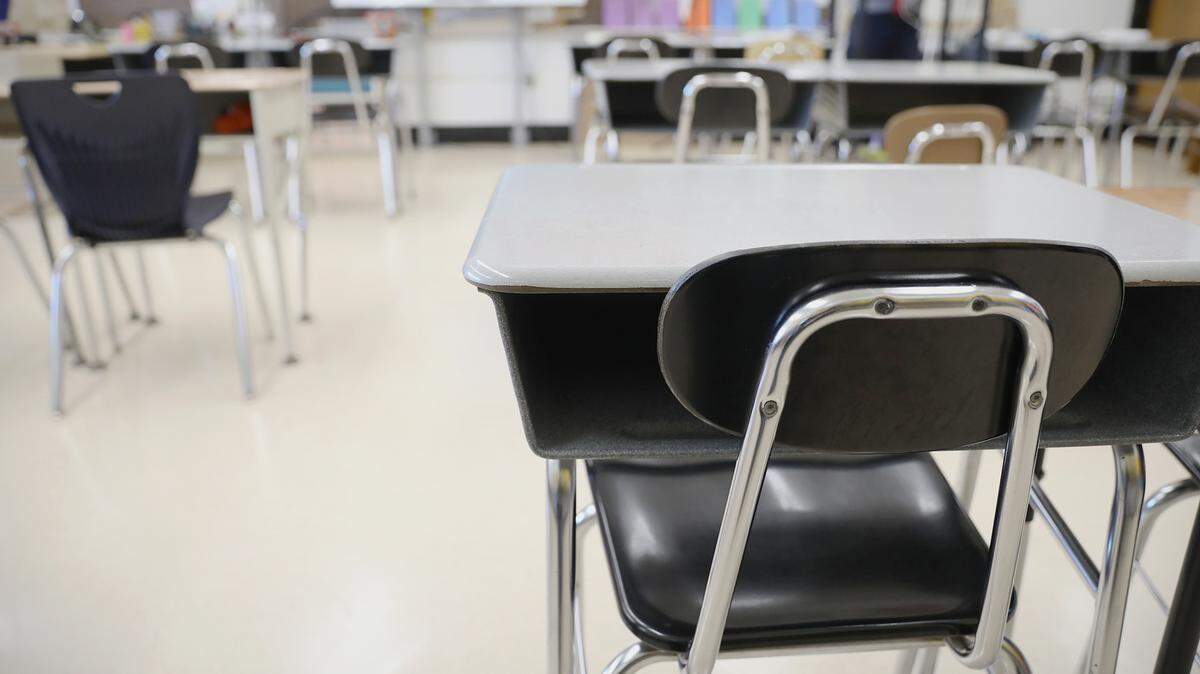
But when the class of 2021 walked across the stage at graduation, I packed up my classroom. I gave away my files and books and posters and told my colleagues and students farewell.
Teaching remotely during the pandemic — reaching through the digital divide to students with limited resources and competing interests — was exhilarating and exhausting. I could regale you with stories of teachers finding creative ways to engage their students. I could remind you that those same teachers were first hailed as heroes by shell-shocked parents and later vilified for being hesitant about returning to in-person teaching before vaccines were widely available. I could argue that subjecting traumatized children to annual standardized tests to gauge “learning loss” is worthless during a global pandemic.
Some of my students faltered, certainly, but many thrived. Introverts told me that they loved class on Zoom because they didn’t have to compete to be heard. My weakest students got more personal attention online and were quick to message me when they needed help.
For me, the pandemic meant I missed the excited tumble of words when students want to share their insights or debate an idea. I missed discussions that had to be wrestled back from chaos, body language and haptic cues and voices unmuffled by masks or behind plastic screens. The pandemic didn’t do me in, but it made leaving imaginable.
Once I decided to retire, the question I heard most often was what I was going to do now. Part of me is relishing having more than ten minutes for lunch or being able to walk outside in the middle of the day.
But a bigger part of me will always work to be a vocal advocate for public education, shouting in frustration as pundits call for “closing the achievement gap” with strategies and programs and mandates bound to fail because they don’t address child poverty. A bigger part of me isn’t ready to stop telling the stories of terrific teenagers who’ve expanded their horizons in English class—what they learned and what they taught me.
I’d argue that a life of service to children is a life well lived, that laughing with and learning from teenagers is worth doing for 45 years.
Years ago a student nicknamed me Mrs. McSatan, which I accepted as a term of endearment. It was a testament to my role as the relentless devil’s advocate in our tough Socratic discussions that pushed and challenged my students to reason logically and communicate clearly. In their end-of-the-year evaluations, most of my students regularly mention those hard discussions as their most memorable — and valuable — moments in my class.
“You pushed me to stop being a lazy thinker,” one student told me in May. “I am a better person because of your class.”
The last time I walked out of my classroom I looked back at a lovely paper scroll with Italian calligraphy a student placed over the doorframe.
Lasciate ogni speranza, voi ch’entrate!
“Abandon all hope, ye who enter here” from Dante’s Inferno, at the entrance to Hell.
I’ll accept that as a fitting parting tribute.
Kay McSpadden taught high school english in York, S.C. Reach her at kmcspadden@comporium.net.