
NC is paying for neglecting nurses and teachers. It’s about to get worse.
Neglect has a price. North Carolina is paying it now.
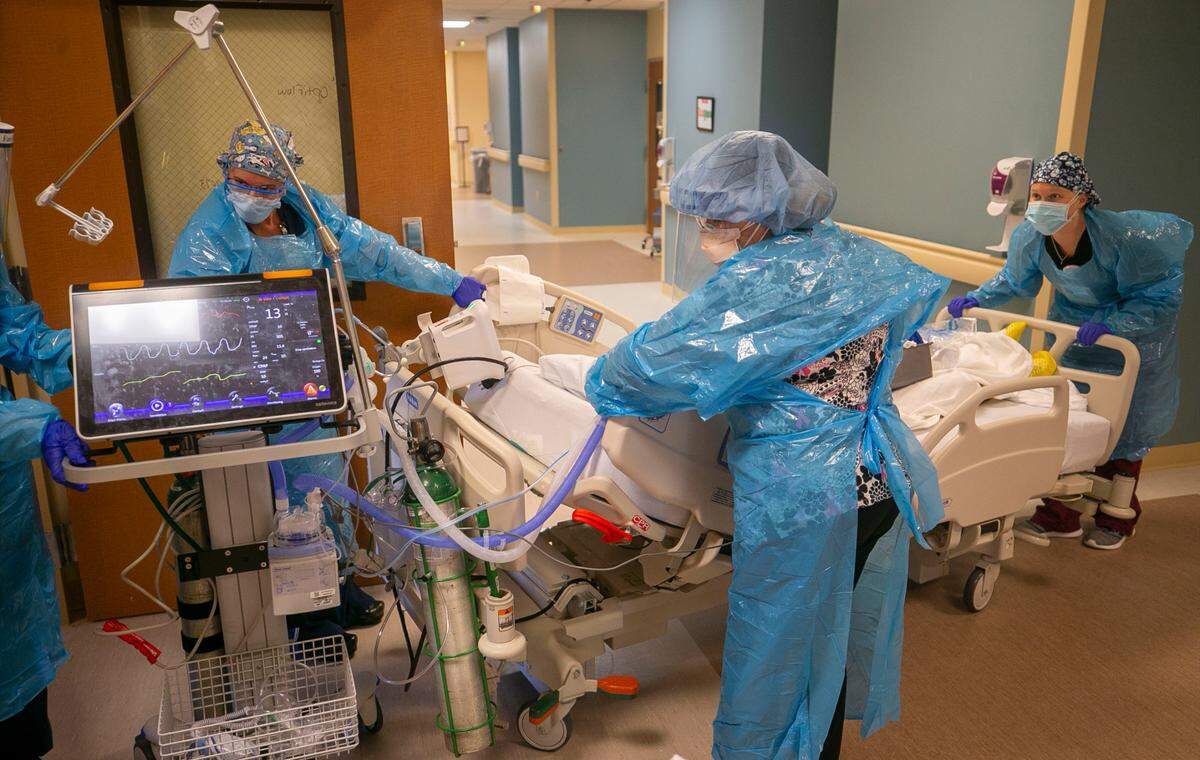
Two areas heavily stressed by the pandemic – schools and hospitals – are facing shortages of teachers and nurses. The problems have a common cause – underfunding by the Republican-controlled legislature.
The failure to significantly raise teacher pay across the board has contributed to a teacher shortage now made worse by school shutdowns, virtual teaching and fear of COVID infections in schools that reopen. The legislature’s elimination of health insurance upon retirement for teachers hired after 2020 also has hurt recruitment.
Keith Sutton, a former Wake County school board member and candidate for state superintendent, now serves as interim superintendent of Warren County, one of many rural counties contending with a teacher shortage.
“We’ve seen the pipeline slow down to a trickle and now that we are here in a pandemic the health challenges and quarantines are exacerbating the earlier problems,” he said.
State Rep. Cynthia Ball, a Wake Democrat and member of the House Education Committee, said she ran for office in 2016 to improve school funding only to see the lack of it make the teacher shortage worse. She said the legislature’s indifference to the need is particularly galling when there is a $6.5 billion budget surplus.
“We have a critical situation and we’re putting a Band Aid here and a Band Aid here. That’s not enough,” she said. ”This was the year we had the money to actually address learning loss and teacher retention.”
Why is North Carolina short of nurses in the midst of a pandemic? Rep. Gale Adcock, D-Wake, a nurse practitioner and a former president of the North Carolina Nurses Association., knows one reason. While many conditions contribute to a lack of nurses, Adcock said one that could be eliminated is low pay for nursing school faculty. Nurses can earn more in practice than in teaching, she said, and that makes it harder to hire nursing school faculty.
“When you underfund the university, you limit the number of students you can take. Right there is a bottleneck,” she said.
The pandemic has worsened the nursing shortage in hospitals as the stress has pushed nurses to retire earlier or seek work in less intense settings, but the problem was clear before COVID, Adcock said.
“We didn’t get into this problem last March,” she said. “This has been coming at us like a tidal wave and the people who could have helped it ignored it. You can’t ignore any critical resource and not expect there not to be a bad day coming.”
Indeed, bad years are coming. Erin Fraher, a UNC-CH associate professor and director of the Carolina Health Workforce Research Center, said the projections are grim. In 2033, she said, North Carolina is expected to fall 12,000 nurses short of the 125,000 nurses the state’s population will need.
And that estimate doesn’t count for the burnout effect of the pandemic. If nurses retire five years earlier than expected, Fraher said, the state could be short 21,000 nurses by 2033. She said hospital systems need to focus on how to cut the demands being placed on overworked nurses.
But if hospitals respond with higher pay, it could compound the problem of finding enough faculty to teach nurses. “I fear our current shortage is going to raise salaries and that is going to increase the disparity between clinical and academic salaries,” she said.
This is what happens when lawmakers won’t pay what’s needed for vital services. The state can get by for a while. There’s enough savings to keep cutting taxes. But eventually there’s a consequence. Schools lack teachers and universities don’t produce enough nurses.
While the General Assembly’s Republican majority boasts about giving money back to taxpayers, what they’re really doing is leaving state residents undeserved and more vulnerable. And that reflects shortages of another sort – a lack of foresight and concern.
BEHIND THE STORY
MOREWhat is the Editorial Board?
The Charlotte Observer and Raleigh News & Observer editorial boards combined in 2019 to provide fuller and more diverse North Carolina opinion content to our readers. The editorial board operates independently from the newsrooms in Charlotte and Raleigh and does not influence the work of the reporting and editing staffs. The combined board is led by N.C. Opinion Editor Peter St. Onge, who is joined in Raleigh by deputy Opinion editor Ned Barnett and in Charlotte by deputy Opinion editor Paige Masten. Board members also include Observer editor Rana Cash and News & Observer editor Nicole Stockdale. For questions about the board or our editorials, email pstonge@charlotteobserver.com.
This story was originally published September 3, 2021 at 4:30 AM with the headline "NC is paying for neglecting nurses and teachers. It’s about to get worse.."