
Deaths, damage from Ida and Fred were a taste of what’s to come for NC
Welcome to NC Voices, where leaders, readers and experts from across North Carolina can speak on issues affecting our communities. Send submissions of 300 words or fewer to opinion@charlotteobserver.com.
NC must spend on storm resilience
The writer is policy director of NC Conservation Network.
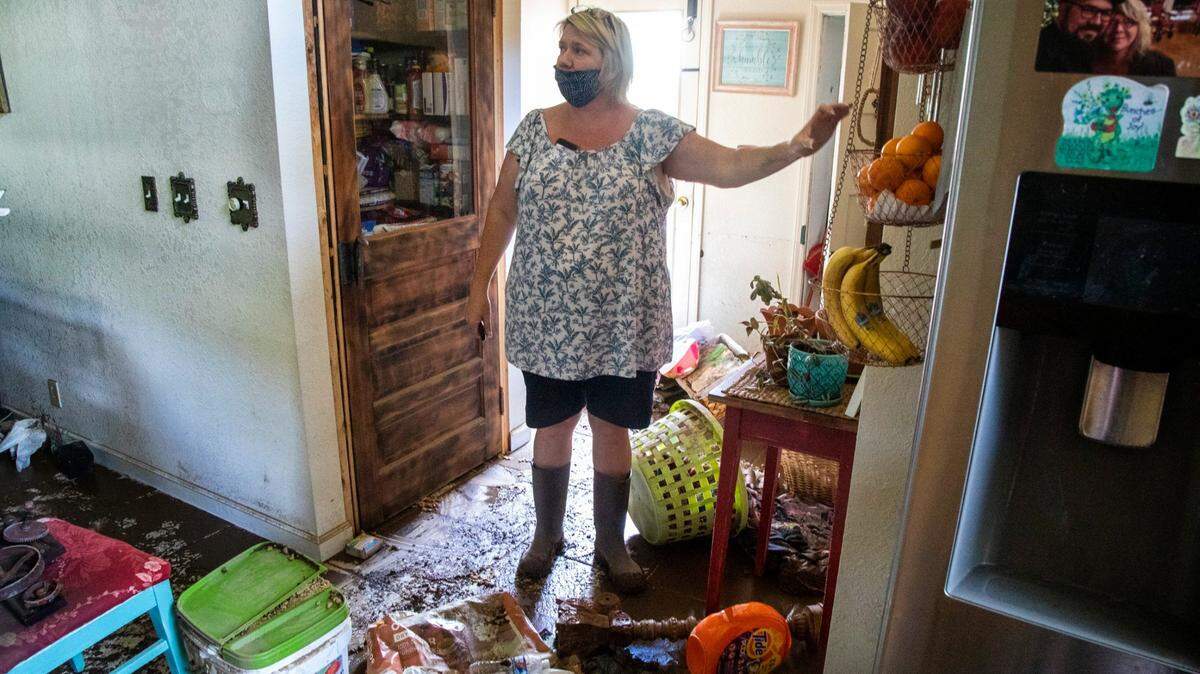
As Hurricane Ida swept across the South and Northeast, western North Carolina was still picking up the pieces from August’s deadly flooding caused by Tropical Storm Fred. Eastern N.C. communities are on watch for the next storm system, even as many are still recovering from Hurricane Florence three years ago.
In Raleigh, lawmakers are hashing out a final state budget. Both the House and Senate have proposed historic new investment to make N.C. safer during storms and flooding. Legislative leaders deserve credit for recognizing the need for these investments.
The House proposal includes funding for a state flood management blueprint and hundreds of millions for floodplain restoration, better stormwater management, and stronger water and sewer infrastructure. Crucially, it also provides recurring funding for permanent staff, because without well-qualified people to carry out the work even the best flood management strategy won’t work.
The risks? Not investing enough. The package being discussed in final budget negotiations includes a lot of earmarks — funds allocated for specific communities or projects. As a state, we should draft a flood management plan and then use it to determine which projects will give us the biggest return on the state’s investment.
The need for these efforts has never been more urgent. Hurricanes Matthew (2016) and Florence (2018) were both “500-year storms,” but we’re also seeing intense rainfall and flooding from weather systems that can happen any time of year.
Other states have begun aggressive programs to help communities adapt to this new reality, and major employers looking for places to expand take notice. North Carolina must keep up with, and eventually lead, other states in flood and disaster resilience strategies.
With so much grim news regarding climate change and its impact on North Carolina, it’s encouraging to see state elected leaders rising to this challenge. Now, we need them to finish the deal and approve substantial and effective investment in flood control and resilience that will protect our citizens and our economy.
Grady McCallie

Healthcare burnout is acute
The writer is North Carolina Professionals Health Program medical director.
Prior to the COVID-19 delta surge, the Washington Post-Kaiser Foundation polled healthcare providers to gauge the impact of the pandemic. Results showed then that 3 in 10 healthcare providers considered leaving medicine altogether, half reported burnout, and 6 in 10 said the extra stress of the pandemic harmed their mental health.
Before COVID-19, rates of job-related burnout were very high and climbing, affecting over 50% of healthcare providers nationwide across all specialties. Adding COVID — and now the delta variant — has increased the negative impact on the underlying drivers of burnout. Physicians continue to face longer hours, inadequate resources, increasing administrative burdens, a general lack of emphasis on self-care, unyielding mandates, inflexible policies, increasing workloads, and escalating third-party interference.
This is not a prescription for healthcare resilience. Sadly, there is little relief in sight. Now more than ever healthcare providers must adopt a comprehensive approach to self-care. This is should be the No. 1 priority for all healthcare teams.
Asking providers to take breaks, stop and eat meals, take scheduled time off, and providing all the supplies they need to do their jobs safely is a proper beginning.
The majority of the emotional impact of COVID-19 on healthcare providers may not be seen until after the highest risk levels has passed and life begins to return to some sort of normalcy.
I call on all provider groups, hospitals and hospital systems to follow the National Academy of Medicine recommendations and mandates for an annual surveying of workforces. Use this data to promote meaningful change in work environments that are less conducive to burnout and more conducive to engagement.
Let’s make sure our health professionals are fully supported during this time.
Dr. Clark Gaither

This story was originally published September 7, 2021 at 1:46 PM.