
COVID has taken an emotional toll on children. NC lacks the resources to support them.
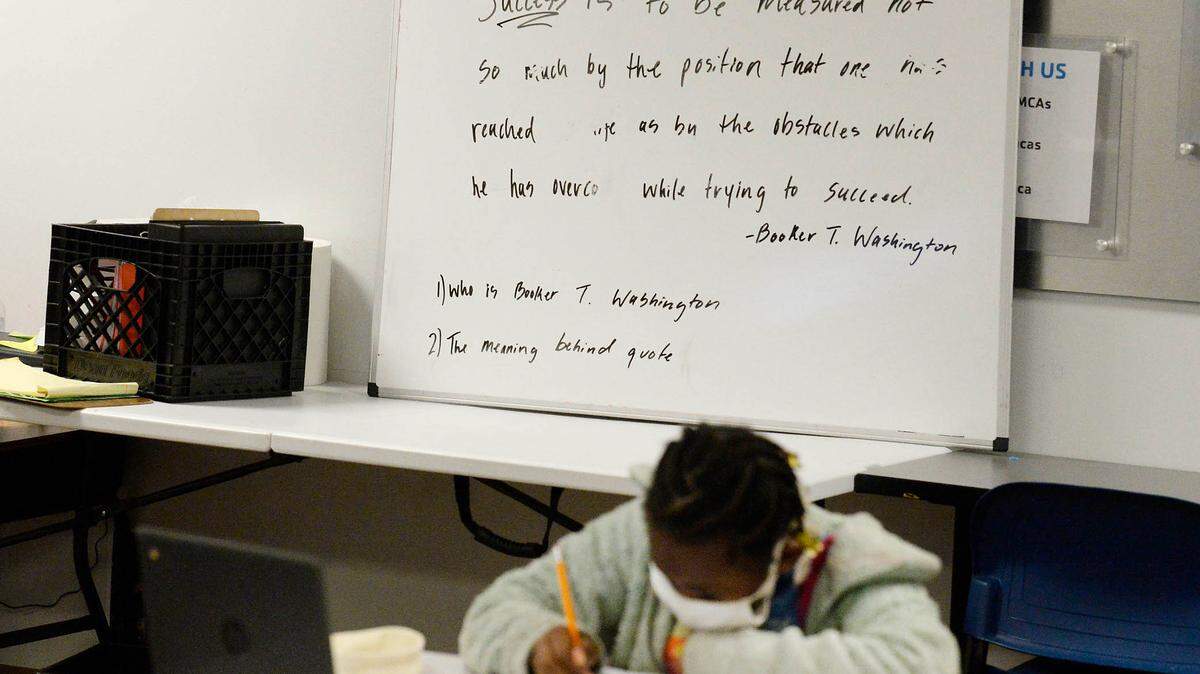
A combination of chronic staffing shortages and unprecedented needs has created what some are calling a “second pandemic” of mental health crises, particularly among children and adolescents.
The slew of stressors associated with the COVID-19 pandemic — including a lengthy disruption to in-person schooling — have taken a serious toll on youth mental health. But now that students have returned to the classroom, North Carolina schools don’t have enough resources to support their emotional and behavioral needs.
An eight-year, $5.6 billion plan set forth by the State Board of Education and Gov. Roy Cooper’s administration as part of the long-running Leandro court case could help alleviate this problem. The plan allocates $743 million through 2028 to increase the number of student support staff to meet national guidelines. But the budget proposals passed by the N.C. House and Senate do not provide enough funding to address the shortage, and there isn’t much hope that the final budget will contain that funding. A state judge has given the legislature until mid-October to fully fund the plan, but lawmakers have firmly held that the courts do not have the authority to appropriate funds.
Republicans are aware this problem exists — they’ve repeatedly invoked the rise in youth mental health issues and suicides to argue against remote learning, pushing for schools to reopen as early as last fall. So if student mental health is such a priority, why are they stalling on appropriate funding?
A year of missing school didn’t just create learning loss, Kenneth Dodge, a professor at Duke University who is the founding and past director of the Center for Child and Family Policy, said. It’s also created a social and emotional learning loss that’s exacerbated the need for mental and behavioral health support.
Dr. Gary Maslow, co-director of Duke’s Division of Child and Family Mental Health and Developmental Neuroscience, said the pandemic can be considered a form of trauma, which can have devastating impacts on a child’s well-being.
Nearly one in 10 children treated in a hospital emergency department in December 2020 were diagnosed with a behavioral health problem, up 70% from the year prior, according to state hospital data compiled by the N.C. Healthcare Association. Meanwhile, a 2021 report from Mental Health America ranked North Carolina 45th in the nation for youth mental health, indicating higher prevalence of mental illness and lower rates of access to care.
“Right now, all of our children are trying to figure their way,” Dodge said. “And any support we can offer them, through school psychologists, mental health counselors, even training for teachers in how to interact and support the students, now’s the time to marshal those resources.”
Schools remain a critical place for kids to receive the emotional and behavioral support they need, given the amount of time they spend there. But even before the pandemic, North Carolina had a shortage of specialized instructional support personnel (SISP) — people like psychologists and counselors who provide school-based physical, social, emotional and mental health services for students and families.
None of North Carolina’s SISP staffing levels meet nationally recommended ratios. The state has, on average, one psychologist for every 1,900 students; the National Association of School Psychologists recommends a ratio of one psychologist per 500 students. Some districts don’t even have a full-time school psychologist, Jackie Zins, president of the N.C. School Psychology Association, said.
This shortage has become particularly acute amid the pandemic, when the mental and behavioral health needs of many students have heightened.
“There’s not more of us to provide more services. So then it’s trying to figure out, how can you best support your schools and your school communities and your students when you’re already stretched?” Zins said.
Funding children’s mental health needs shouldn’t be a political battle, and we can’t afford to wait for a resolution. Even whenthe pandemic eventually subsides, its mental and emotional effects will linger. Getting our children back on track after 18 months of crisis is going to take more than simply returning them to the classroom.
BEHIND THE STORY
MOREWhat is the Editorial Board?
The Charlotte Observer and Raleigh News & Observer editorial boards combined in 2019 to provide fuller and more diverse North Carolina opinion content to our readers. The editorial board operates independently from the newsrooms in Charlotte and Raleigh and does not influence the work of the reporting and editing staffs. The combined board is led by N.C. Opinion Editor Peter St. Onge, who is joined in Raleigh by deputy Opinion editor Ned Barnett and in Charlotte by deputy Opinion editor Paige Masten. Board members also include Observer editor Rana Cash and News & Observer editor Nicole Stockdale. For questions about the board or our editorials, email pstonge@charlotteobserver.com.