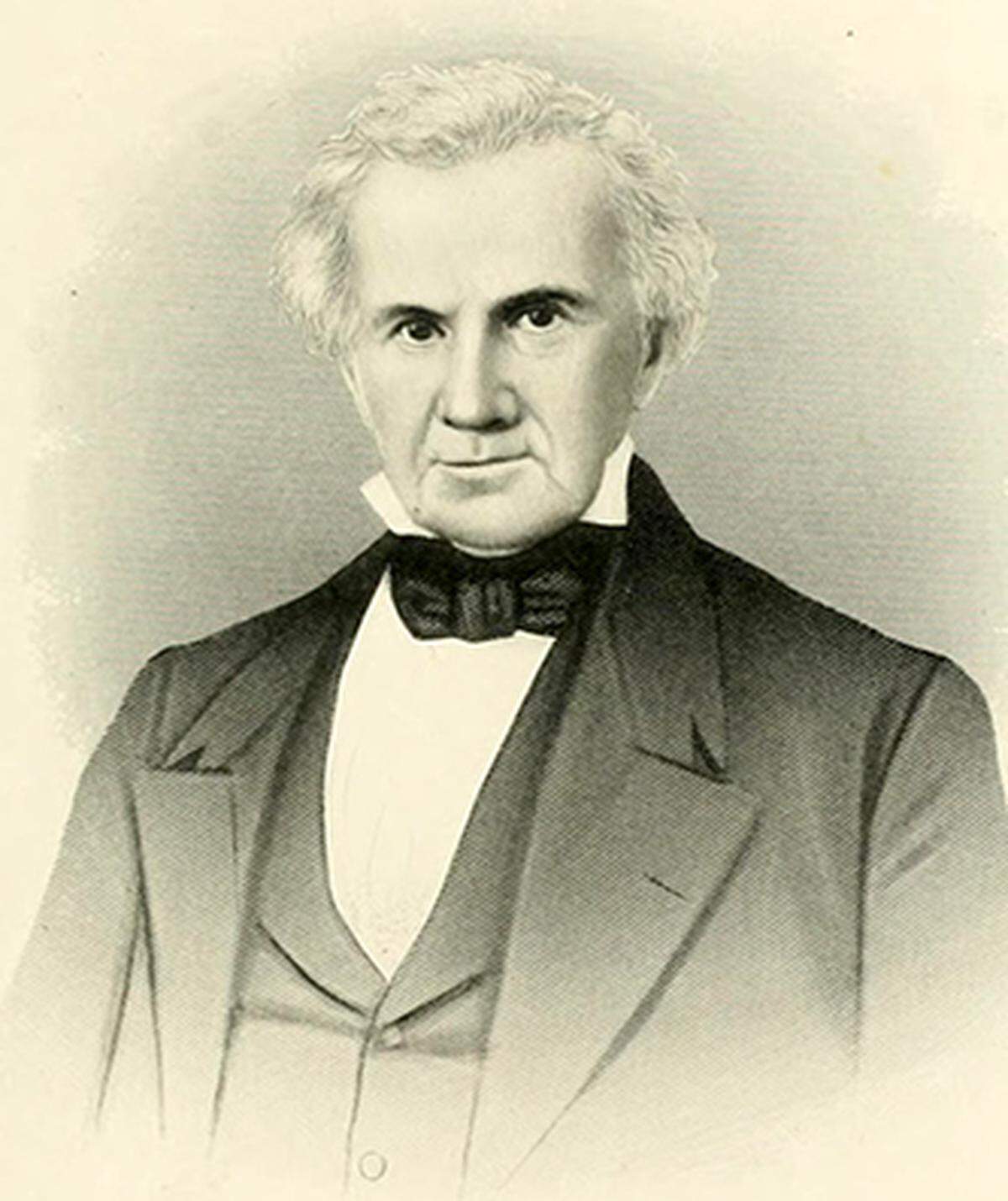
We can’t rename everything. Let names like Cameron Park teach difficult lessons.
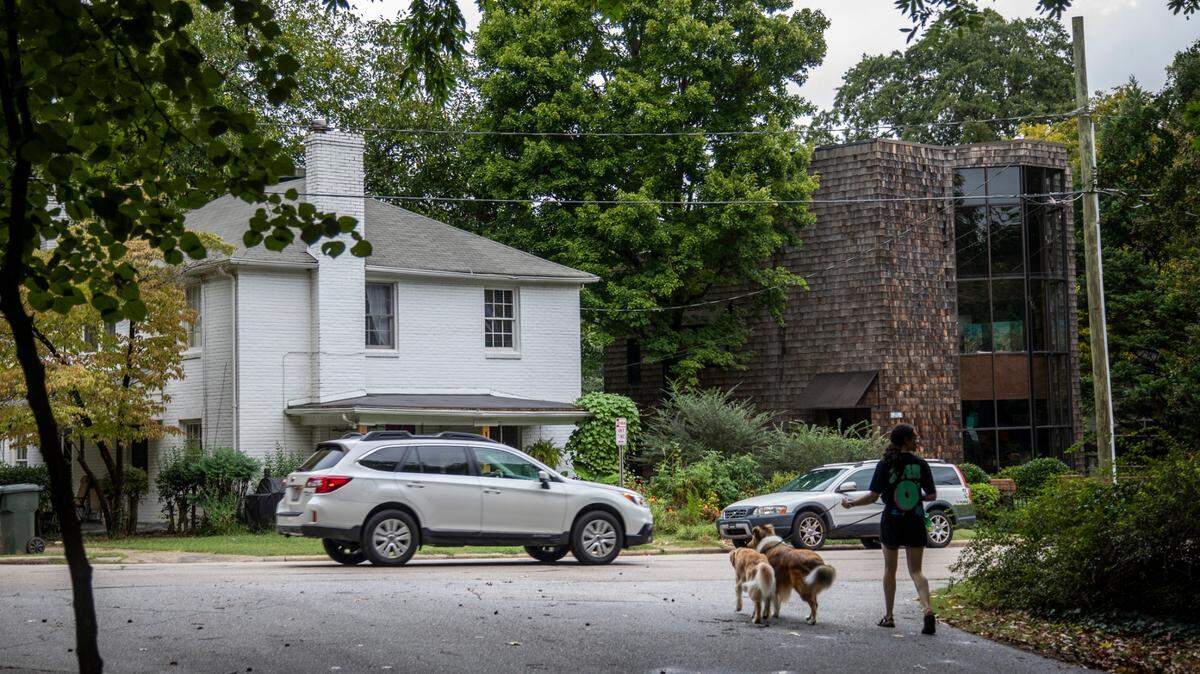
What’s in a name?
Working in historic preservation teaches you a great deal about race in North Carolina. These historic places have stories to tell, if you just listen, and lessons for the future.
Racism is completely baked into our state’s history and its current life. Numerous counties are named for slaveholders, as are many towns. Most, if not all, of Raleigh’s downtown streets bear those names. Charlotte’s, too. Many colleges and parks across the nation were named for slaveholders or ardent white supremacists.
We have Jackson, Jacksonville and Jackson County, all named for Andrew Jackson, responsible for the deaths of thousands of Native Americans. We honor his birthplace in Waxhaw.
Realistically we simply can’t rename everything that was named for prominent white men of a different era. But we can start telling their stories with a better understanding of how a system of racial oppression supported them.
If you’re white like me, once you learn more about slavery, Jim Crow, disenfranchisement, chain gangs, lynching, redlining, and other forms of discrimination, you want to either bury your head in shame — or do something about it for the benefit of future generations.
Our places — whether historic buildings or neighborhoods — offer us opportunities to have difficult conversations. Cameron Park, founded on land once owned by North Carolina’s largest slaveholder, went 100 years before it welcomed its first Black property owners.
As a neighborhood and a society, we benefit from conversations about the origins of names and what they mean. We don’t necessarily need to turn from them in shame. Achieving diversity will take more than a name change.
The first serious talk of changing Cameron Park’s name was aroused by fear of damage after peaceful Black Lives Matter protests in downtown Raleigh spawned violence. “Good authority” said that cars parked on the street would be vandalized. National Guard troops were stationed at the edge of the neighborhood. Social media in the time of COVID whipped anxiety into frenzy.
Attitudes about the name are generally split along generational lines. An earlier generation helped redeem the neighborhood from fraternities and slumlords who packed students into old houses, from basement to attic. We were proud of how the neighborhood produced progressive political leaders.
More recent purchasers have generally liked its location and new-found status. They haven’t been particularly interested in the neighborhood’s history or its historic buildings.
A recent appeal to rename proclaimed: “...each new generation has a right and responsibility to make its own moral judgments, informed by history but not beholden to the past for the past’s sake.” The white supremacists of 1898 probably felt the same way.
Preservation North Carolina, where I work, has long tried to use preservation to advance civil rights and social justice. The antebellum Bellamy Mansion in Wilmington and its restored slave quarters have hosted numerous tours and thought-provoking programs about slavery, 1898, the Wilmington Ten, and more. The state highway marker at the site honors an enslaved plasterer, not the slave-holding family.
We need to encourage uncomfortable conversations and thoughtful action that benefits the future. Can we discuss the lives of slaveholders within the context of their day without being shut down? Can we research the enslaved people who once lived near Cameron Park? Reach out to identify their descendants?
Perhaps the neighborhood could refocus its energy to create scholarships for Historically Black Colleges and University students or for descendants of Cameron slaves, which would have lasting impact plus bring the neighborhood together.
In the end, if Cameron Park is renamed, we can settle back in our comfortable homes, feel righteous, and not be bothered again by the thorny history of race.