
With kids back in classrooms, what’s happened to the cries about mental health?
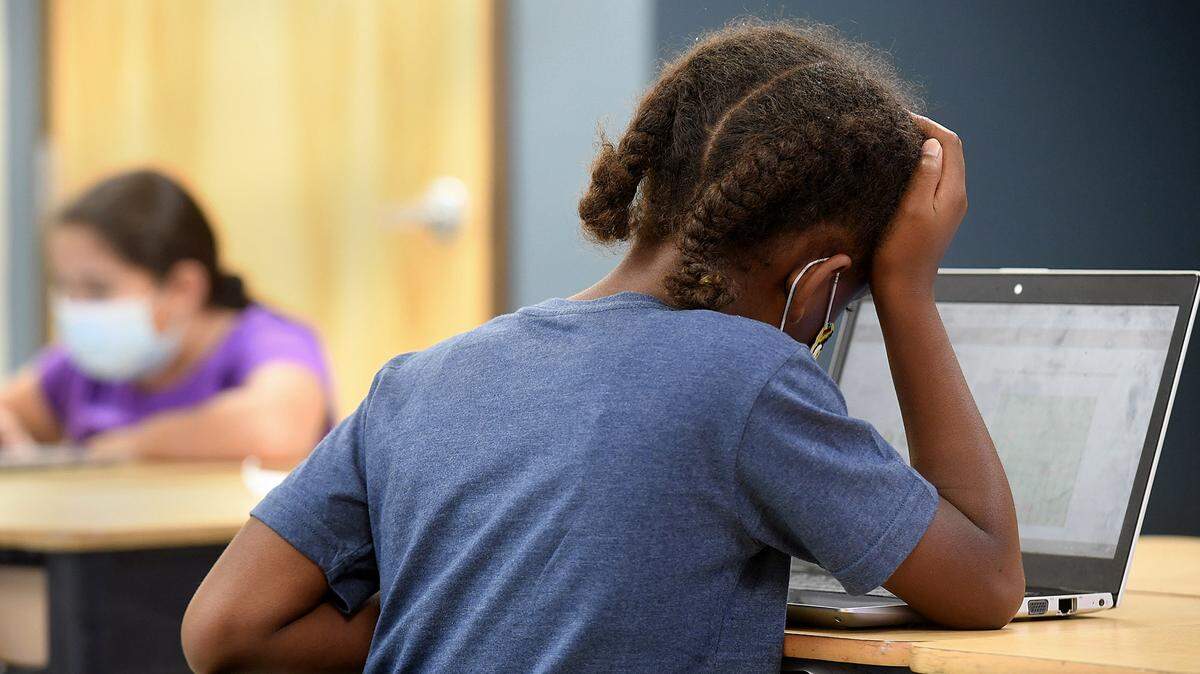
Who else remembers last school year when adults talked about student mental health with a fervor previously unseen? Those were good times.
In a pre-vaccinated world, we had 4,000 Americans dying per day and folks downplaying COVID-19’s seriousness. They said that remote learning showed we were overfocusing on COVID and not paying enough attention to the mental health of young people. Kids in buildings was presented as the panacea.
Fast forward to kids being back in buildings. How often is student mental health coming up at school board meetings now? Does it even get a sneeze between “unmask our kids” and pleas to lie about US history?
Kids are back in buildings and we have significantly more suicide assessments than we’ve had historically. In Mecklenburg alone, we’ve had several completed suicides. We have young people acting out and fighting. We are locating guns on campuses. We are having incidents dealing with sexual assault and other violence. Our kids are crying out at every turn and what are “concerned” adults passionately advocating for?
Don’t wear quarantine-reducing masks even after 700,000 American deaths; and the boogeyman of CRT that they can’t even define.
As someone who treats mental health, nothing irritates me more than adults who weaponize the buzzword of mental health for their convenience while avoiding tangible action to address it. Mental health is brought up when adults want to avoid conversations about gun accessibility. It was brought up last year because of kids, but more because we adults had a hard time with kids at home. With my wife and I both having jobs outside the home, work’s certainly easier without our two kids at home.
However, COVID didn’t start the fire of youth/adolescent mental health struggles. Our suicide rate for young people rose 60% from 2007-2018 before we even knew the word coronavirus. And yet, the only thing adults sought to do to address youth mental health amid the pandemic was to return to an educational status quo where we treat our kids as testing bots.
We have a serious issue with our young people’s socioemotional health. And yet, there are only two responses that this community offers with any ferocity — ”these parents and kids these days” and “CMS needs to get it together.”
Regarding CMS sexual assault, there do need to be clear Title IX policies and procedures that are communicated internally and externally. Making those easily accessible to the public would help accountability and transparency.
Separately, there needs to be education starting in elementary and evolving age appropriately about healthy relationships, boundaries, communication, emotion regulation, and conflict resolution. The idea that these are things to be learned at home is a cop-out, as across schools and demographics in our community, our kids need support here. Education must involve human development beyond End of Grade tests. Families must support this paradigm shift.
Further, as a community, we need to self-reflect. Our youth were struggling before experiencing a once-in-a-century traumatic pandemic. We abandoned them once they got in the building. We need to push for: expanded Medicaid, which provides more access to care; our NCGA to fund our schools via the Leandro mandate; and a recommitment to holistic youth development beyond testing alone. Or we can finally admit we don’t really care.