
Hey kids, a COVID vaccine warning: Get the lollipop first
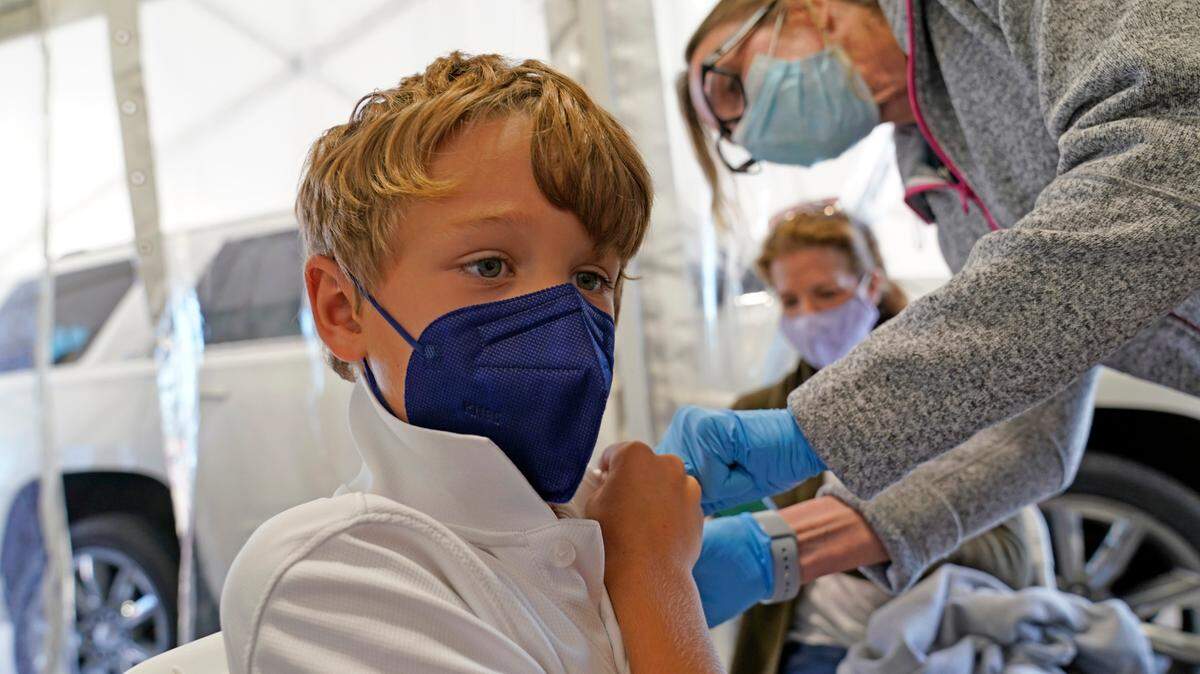
Pssst, kids. Get the lollipop first.
Now that the CDC has approved a COVID-19 vaccine for children between the ages of five and 11, parents are beginning the trek to pediatricians, health clinics and pharmacies to get protection against the virus.
But how do you persuade children — some of whom may have been influenced by their pre-adolescent sandbox conspiracist friends — to get the shot?
Among the playground unfounded rumors: “I hear it’ll make you crave broccoli.”
Prior to the approval, according to a study by the Kaiser Family Foundation, about three in 10 parents of 5-11 year-olds (27%) were eager to get a vaccine for their younger child as soon as one was authorized, while a third said they would wait a while to see how the vaccine is working. Three in 10 parents said they would definitely not get the vaccine for their 12-17 year-old (31%) or their 5-11 year-old (30%).
A recent TV news feature on a Cary drug store dredged up painful personal memories when it reported that the pharmacy has a big bowl of lollipops as a reward to children who accept the vaccine without throwing a hissy fit.
Sounds good, but pardon my skepticism: that’s precisely how they got me.
For those of us of a certain age, in order to attend public school in first grade you first had to get inoculated. A week before starting school, a bunch of us neighborhood kids piled onto the back of Mr. John Bostic’s blue pickup truck, and he drove us to the Rockingham Health Department.
The nurse, sensing my hesitancy, promised that if I didn’t scream, she’d give me a lollipop. Now, at that age, for a lollipop I’d have done pretty much anything — up to and including snatching that syringe from her and vaccinating myself.
Who am I kidding?
I’d do that now for the right lollipop.
She pushed up my sleeve, wiped my arm with alcohol and plunged the needle into my tender six-year-old skin. I opened my mouth as wide as it would go and tried to scream, but my vocal chords were paralyzed either by fear of the needle or fear of not receiving the promised reward.
Regardless of why, no sound came out.
Imagine a prepubescent version of Edvard Munch’s famous painting The Scream, because when I opened my mouth I saw other kids and their parents in the room jamming their fingers into their ears to drown out the ghoulish shriek that never came.
When it was all over, the nurse slapped on a band-aid and motioned for the next kid.
That’s when I first discovered what’s meant by the carrot-and-stick approach: they promise you a carrot, then stick you.
I don’t recall thinking this then, but I sure think it now: I should’ve gotten the lollipop first.
That’s why, on behalf of kids who might be enticed by the lollipop promise, I called DJ’s Pharmacy in Cary. The first pharmacist to whom I spoke said the lollipops have been successful in allaying the children’s fears. They try, he said, to keep a low-key atmosphere, even allowing kids to sit in their parent’s lap while receiving the shot.
I, skeptical, called back.
Me: Hello, are y’all really giving kids who bravely accept the vaccine a lollipop like it said on television or is that just false advertising to make kids compliant?
Them: Click.
I started to call back, but decided against it. Better to just warn kids ahead of time and let them know that sometimes you get a lollipop — and sometimes you get played for a sucker.
Since millions of adult Americans are still not vaccinated, perhaps the government can offer them a lollipop — or the adult equivalent — to protect themselves and their fellow citizens. An undertaker buddy of mine in Rockingham said he recently buried three generations of one family who lived together, got ill from COVID together, died together. None was vaccinated.
This story was originally published November 12, 2021 at 8:14 AM.