
How supply chain disruptions affect my small NC business this holiday season
At Toy Mania in Charlotte, we consider ourselves lucky. Our small business survived 2020, a year that brought much of the world to its knees.
Small businesses like mine have less cushion to absorb big bumps in the road like the pandemic. For us, and other small businesses in North Carolina, 2020 goals were put on hold in the name of survival — for us and the incredible staff members we fought to keep employed.
At the beginning, 2021 looked like a year to recover financially, mentally and emotionally from 2020. It quickly turned into a supply chain nightmare.
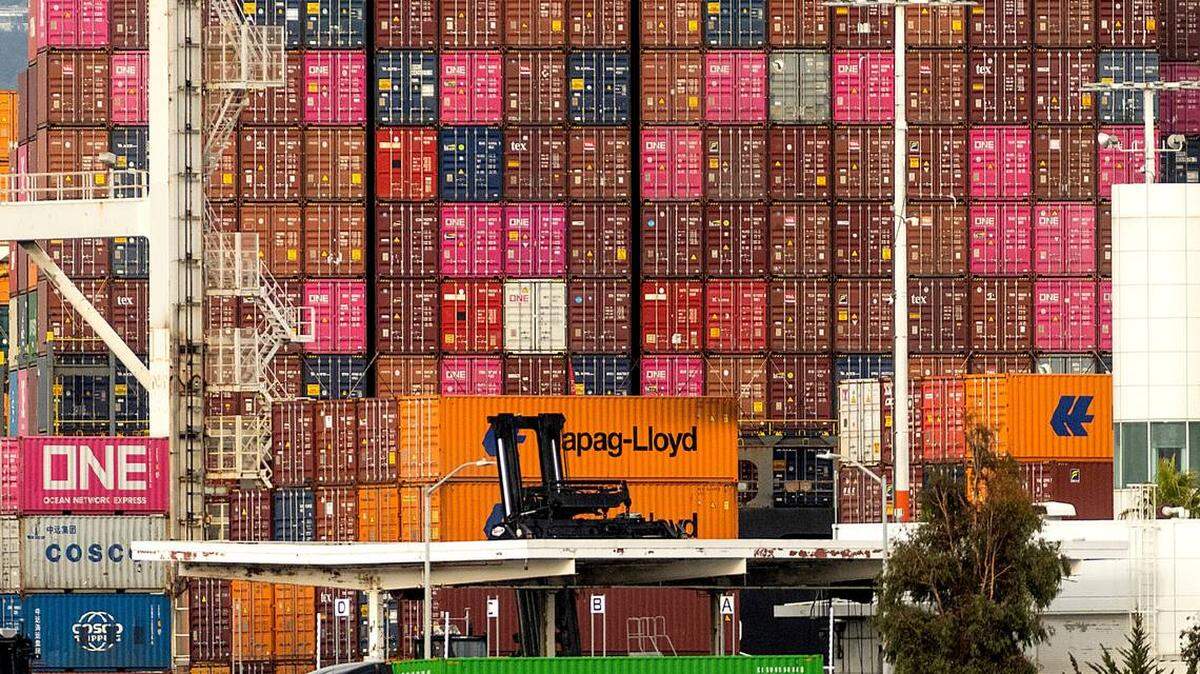
We work with large toy suppliers, but many of the suppliers we work with are small. This year there has been a 1,200% increase in the cost of containers to import products. That is not a typo. That is a massive increase, and for some of our small suppliers that translates into the majority of their profit.
As a retail store, the sales from early November through the end of December are what make or break the year. It’s not called “Black Friday” for nothing.
It is always a roller coaster ride to Christmas. Will we have enough merchandise? Will we have enough variety to compete with the ever-present option for people to shop online?
In a normal year, we start thinking about this season in the summer and bulk up slowly on merchandise. This year it was obvious in March and April there was an impending supply chain problem.
For example, we work with a company that sells only one product — sort of an Easter advent calendar. Her entire stock was stuck on a container with a TBD offload date. These goods had one opportunity to make it to retail stores or it would be another year before it was relevant, and she would lose all of the money she had borrowed and invested. She had no other option but to pay an extra fee to the port to have that container fished out and shipped to her warehouse in time to be in retail stores for Easter.
“It’s on the water” is a common supplier response these days. One company we spoke with this week has 21 containers “on the water” and no merchandise in stock to ship out.
Other companies are in the position of being stocked but have no warehouse staff to pack and ship it out.
All of these companies have expended the capital to have this merchandise ready to be in retail stores for Christmas. None of these companies will sell at the same volume in March what they would have sold in November.
We have multiple companies who put a lid on new orders for the year as early as October. This is unheard of.
This will be the year that if there is no “bread,” the consumer will have to wrap up “cake” for holiday gifts.
I don’t know what the solution for all of this is, but I do know that the consumer’s decision to spend their dollars locally has a huge impact.
Small businesses account for 99.7% of all businesses in the United States. Making decisions to purchase merchandise at local stores and dine at locally owned restaurants and coffee shops, brings money into the businesses that are the local community. There will be a ripple effect that will benefit the community, the businesses, suppliers, and the employees.
It might not be as easy, but this is how you support the community you are a part of. That is what true recovery looks like.