
Bonuses are everywhere, but they’re the wrong answer for many NC workers
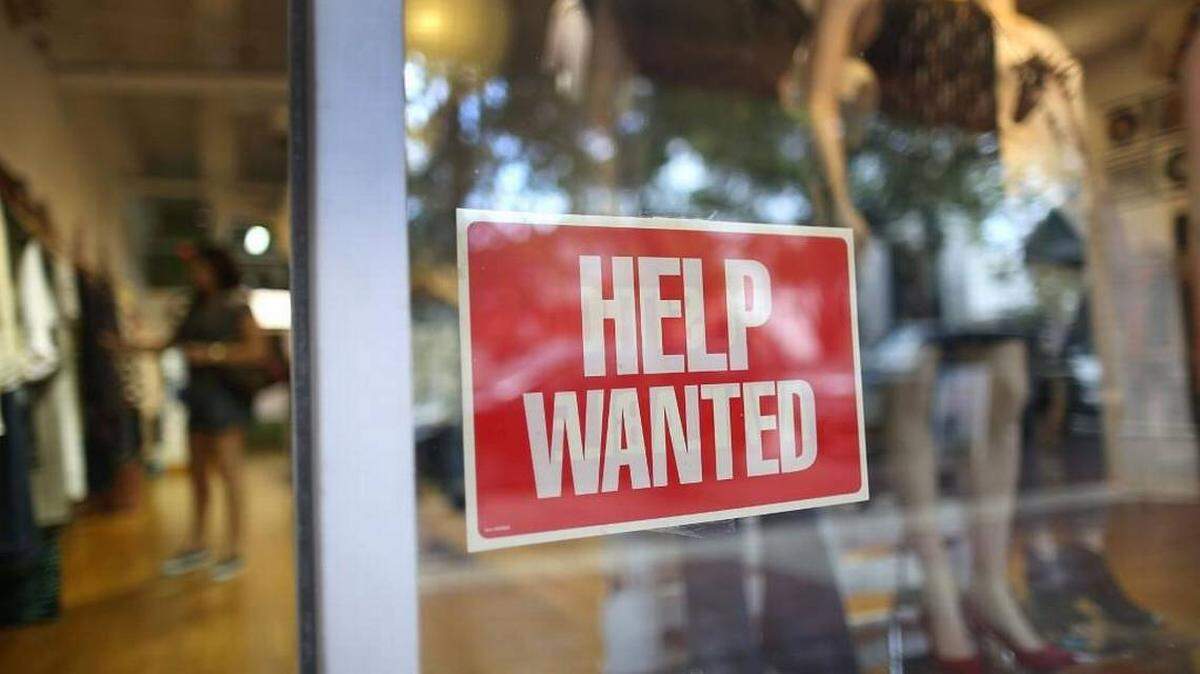
After nearly two years of pandemic-related economic distortions, workers are in short supply, federal relief is flowing and corporate profits are running high.
Now would be a good time to re-balance the worker-employer relationship by making overdue improvements in pay and benefits. Instead, some workers are getting a rain of bonuses, a burst of compensation that will disappear once the economy returns to normal.
Ana Pardo, co-director of the Workers’ Rights Project at the North Carolina Justice Center, said bonuses are not a substitute for better pay. “It shows a lack of commitment on the part of the employer,” she said. “It’s not the same as saying, ‘We’re going to pay you adequately.’ “
Bonuses are everywhere. North Carolina’s new state budget is using federal funds to provide a $1,500 bonus for all state employees who earn less than $75,000 and $1,000 for those who make more. The Wake County school board just approved using $80.7 million in federal COVID relief dollars to give all full-time employees $3,750 in bonuses next year. Charlotte-Mecklenburg Schools will pay newly hired school bus drivers a $1,000 bonus. Other local governments and school systems are taking similar steps. Meanwhile, private employees are offering sign-up bonuses to new workers.
Gerald Cohen, chief economist at UNC’s Kenan Flagler Institute for Private Enterprise, said sign-up bonuses are a cheaper way to draw new employees than raising wages, but they can cause complications. “If you give a bonus to those who join the firm, how do you handle your existing employees?” he said.
Bonus may appease and lure workers for awhile, but government and private employers can’t put off indefinitely a reckoning over wages. The pandemic revealed how essential many hourly workers are. Their pay should match their value. Bonuses won’t do that.
Bonuses, Cohen noted, don’t bolster a worker’s pension or 401 K plan. He said some people have “a money illusion where they don’t do the math” regarding the one-time payments. “They don’t realize it may be better to get $5 more an hour than taking a $1,000 bonus,” he said
Tamika Walker Kelly, president of the North Carolina Association of Educators, said school employees understand the limits of bonuses.
“Bonuses are just that, a bonus in addition to your salary and not a substitute for a raise,” she said. “Bonuses alone won’t be enough to help retain employees who are leaving their jobs or to recruit the new employees we desperately need in our schools.”
Ardis Watkins, executive director of the State Employees Association of North Carolina said one-time payments don’t address chronically low pay for state workers. “In the long run, there needs to be an overhaul of state employees’ wages by having a step plan that lays out those raises during the progression of an employee’s experience,” she said.
The proliferation of bonuses comes amid a significant shift in the workforce. In what’s being called the Great Resignation, millions of workers have quit their jobs after sensing that better jobs are plentiful, or they are retiring early. There are now 3.1 million fewer workers than there were before the pandemic, a shortage that is finally giving workers more leverage on wages.
When measured as shares of the nation’s GDP, corporate profits are hovering around a 60-year high, while workers compensation is near a 60-year low, Cohen said. The Kenan Flagler Institute for Private Enterprise is exploring whether an economic model known as stakeholder capitalism could better balance profits and compensation.
“Is this the time to start shifting that share?” he asked. “That’s a really important question.”
And the answer is not bonuses. It’s better pay and benefits.
This story was originally published November 23, 2021 at 4:30 AM with the headline "Bonuses are everywhere, but they’re the wrong answer for many NC workers."