
NC lawmaker: What my dad’s COVID death has taught me
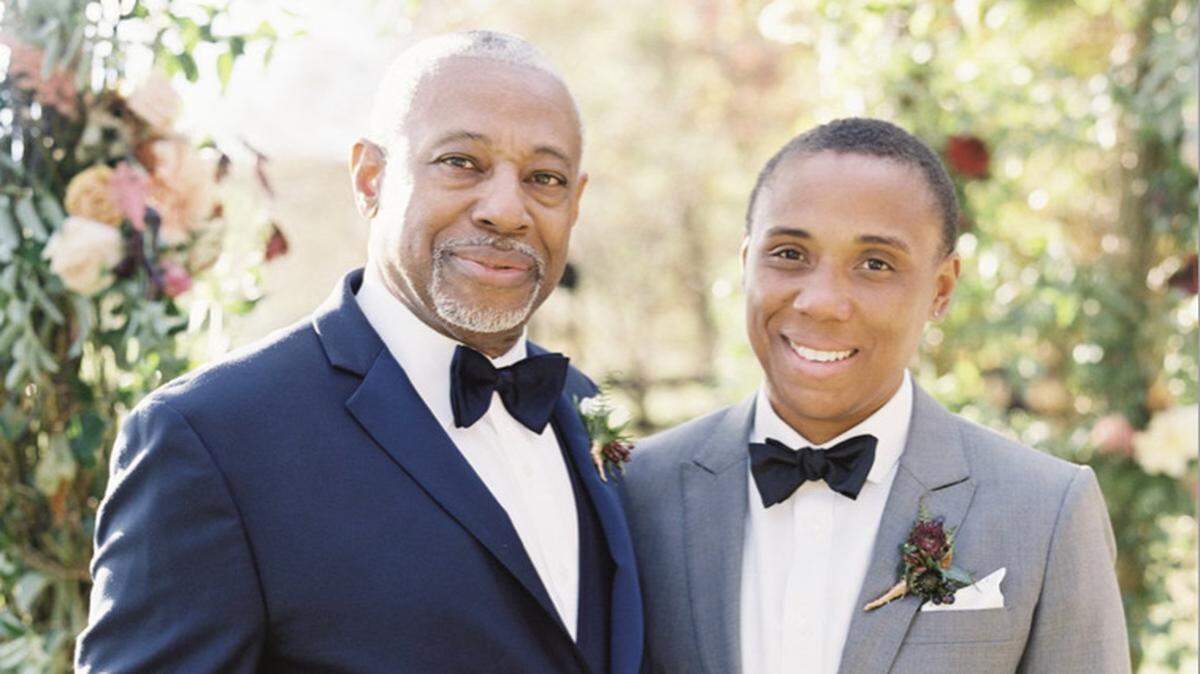
On a Tuesday night in January 2021, my dad drove himself to the VA for a COVID test. We’d talked earlier. He’d answered the phone with an excited greeting unique to dads. He admitted, though, that he was sick and his temperature was going up.
When he didn’t update me with test results, I worried. The idea of my dad, a 71-year-old African American man with comorbidities — a walking siren for racial health disparities that have been emphasized during the pandemic — getting COVID led to the consuming fear of losing a parent.
Eventually, he texted back “I have covid.” My eyes glazed over. My ears rang. Later on the phone, he was sad and had little to say, so I didn’t push him. Over the next two weeks, I called regularly. To hear how he was feeling, or drop off groceries, or bring oxygen tanks when breathing got harder. When he went to the ICU, I called to hear that he was alive.
Severe COVID is a waiting game. So, I waited — in the intentionally distant and helpless way you wait with COVID.
Like others who have lost loved ones to COVID, I spent the last weeks of my dad’s life staying away from him, though he was deathly ill. We texted a lot instead. I texted to check on him. He texted that he was grateful for our help. He texted that he was afraid he was going to die.
The cruelty of COVID is not just in the virus, but in the wake of grief and disconnection it leaves behind. In my dad’s final weeks, I could not touch or visit him. When he was released from the hospital, I could not be with him. He died a week later. When I went to tell my mom that her husband had died, I gave her the news while standing 6 feet away in a patch of cold grass outside her home. I was terrified I might give her COVID.
More than 1.6 million North Carolinians have contracted COVID and more than 19,000 have died. We can assume that most N.C. residents have been touched personally by the virus.
We have all grieved and worried because of COVID. We have worried about our unvaccinated child’s cough, a positive test, or about whether we’d touch a sick loved one again. With this much worry, our instinct is to get closer, to work together in crisis. But the severity of COVID has kept us at a distance when we need each other most.
My dad tested positive the day before I was sworn into my first full term in the N.C. House. I’d spent the past year fighting for disease mitigation efforts. As I started this year’s session, after a year’s worth of entrenchment by both parties on COVID politics, I expected to do more of the same. I supported bills for essential workers. I debated vaccine policies and aid funding to cities.
But living through personal COVID loss made things different. I couldn’t understand why the science was being questioned when the reality of this deadly virus was so apparent, at least to me. I did understand, though, why people were fighting to be with one another.
In times of grief, communities come together, but we have not been able to do that. We have been left isolated. We have all struggled with the toll of the pandemic — and there are people who are using our vulnerability to serve their agendas. They spread misinformation or draw lines in the sand about vaccines, shutdowns, and whether the virus even exists. More of us need to acknowledge this or our vulnerabilities will be used to drive us even further apart.
If we do not take the politics out of the science or fail to combat misinformation, we will fall behind in the fight against variants like omicron and push ourselves to extremes that may permanently injure our democracy. And that disconnection, those losses, will be on us. Not the virus.