
North Carolina is not ready for the next infectious threat
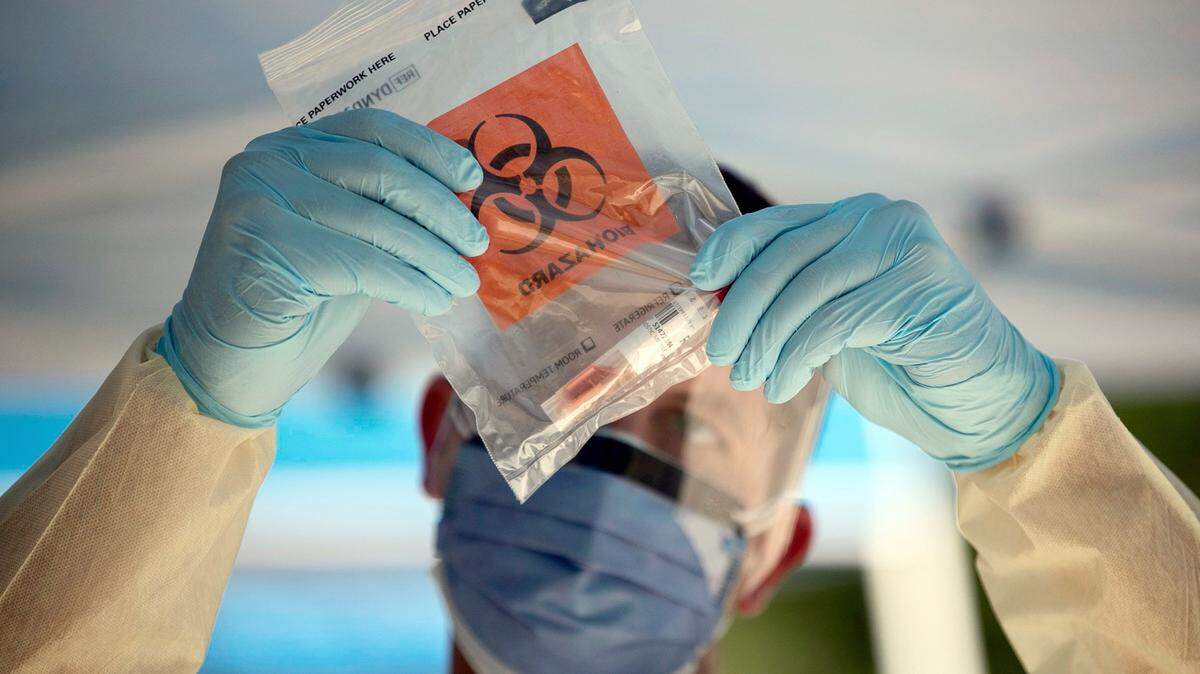
Headlines have screamed the warnings for months. Those with loved ones in the hospital witnessed it firsthand. COVID-19 has exhausted and depleted America’s healthcare workforce.
The pandemic brought into clear focus that there simply aren’t enough people working in biopreparedness to plan for and respond to public health emergencies. What’s less frequently discussed is how to ensure it won’t happen again.
The majority of N.C. counties have no infectious diseases physician. An act in Congress can help change that. Here’s why it matters:
Infectious diseases professionals — including physicians, physician assistants, clinical pharmacists, clinical laboratory professionals, advanced practice registered nurses, infection preventionists and physician-scientists — are a key part of the biopreparedness workforce. Their responsibilities include developing triage, isolation and treatment protocols, lab testing, distribution of PPE, training other healthcare staff in infection management and prevention, and communicating with the public.
These professionals play an integral role during pandemics and other public health threats, including antibiotic resistance and threats that arise from natural disasters, such as the deadly flooding from recent hurricanes and tropical storms, which impacted thousands of N.C. families.
Despite their importance, infectious disease professionals are in short supply. Nearly 80% of U.S. counties do not have a single infectious diseases physician, and infectious disease training programs struggle to recruit applicants. In North Carolina, 71 of 100 counties have no infectious diseases physician.
Congress can help by passing the bipartisan BIO Preparedness Workforce Act, which would establish a student loan repayment program for those pursuing careers in biopreparedness. This bill would increase community access to infectious diseases care and expertise and protect against future threats. Without it, the situation is dire.
North Carolina has large rural areas and community hospitals without any infectious diseases support. Duke University helped 30 community hospitals with infection prevention in 2020 and provided support to 30 more in other states.
Laboratory testing demands have skyrocketed due to COVID. So has demand for laboratory professionals to perform tests and analyze results. But the UNC Health system has more than 70 open lab jobs and positions take an average of four months to fill. The need for qualified lab professionals is only expected to intensify.
Biopreparedness is also critical to N.C.’s military community. The state has eight bases, including the world’s largest, Fort Bragg. Infectious diseases physician-scientists are working with the Department of Defense to improve respiratory virus testing to identify troops who may unknowingly be infected, ensuring they’re healthy for deployment and don’t bring back new or resistant pathogens. National security and the health of N.C communities hang in the balance.
As the pandemic begins its third year, one thing is clear: More experts are needed to find the answers. Lawmakers from N.C. must pass the BIO Preparedness Workforce Act to ensure a workforce exists to respond quickly and effectively to the next public health emergency. Without people, there is no preparedness.