
Why Dr. Seuss’ political cartoons are worth a second look on his birthday
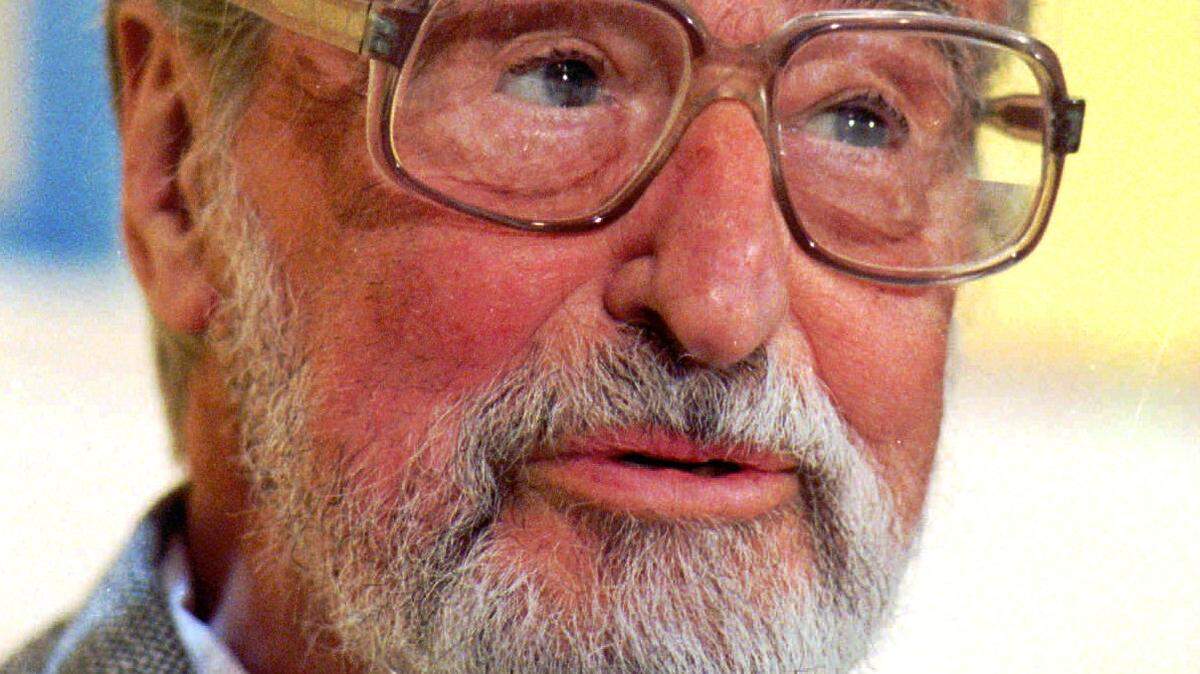
Theodor Seuss Geisel, more commonly known as Dr. Seuss, was born March 2, 1904. The National Education Association celebrates his contributions to children’s literature by scheduling its annual National Read Across America Day to coincide with his birthday.
But there is more to Seuss than his children’s books. His birthday provides an opportunity to recognize his other work, such as his World War II cartoons.
Seuss’s decision to become a political cartoonist resulted from a trip he took. In 1936, he and his wife traveled to Europe where they visited Germany among other countries. He had already achieved considerable success as the creator of a popular advertising campaign for an insecticide, and the income from his advertising work made such trips possible.
Seuss had visited Germany before and enjoyed the experience. As a German-American, he felt an affinity with the German people, so he fully expected to enjoy this visit, too.
However, his 1936 visit proved to be a disturbing experience for Seuss. The rise of Adolf Hitler and the Nazi Party appalled him. Seeing the impact of Nazism firsthand persuaded Seuss that Hitler posed a grave danger.
Seuss’s concern about the rise of Hitler led him to quit advertising and become a political cartoonist. He began creating political cartoons for PM, a New York newspaper. His first PM cartoon appeared in January 1941, and he soon became a regular contributor.
In these cartoons, he skewered the European Fascists as well as American isolationists, such as Charles Lindbergh. During this period, Lindbergh made many pro-Hitler statements, which Seuss found repugnant. In his cartoons, Seuss often ridiculed Lindbergh and Lindbergh’s “America First” movement.
For example, Seuss depicted Lindbergh as running an ostrich-hat business called the “Lindy Ostrich Service.” The sign next to Lindbergh reads, “Get your ostrich bonnet here — Relieves Hitler headache. ‘Forget the terrible news you’ve read. Your mind’s at ease in an ostrich head!’”
In 1943, Seuss joined the military and was assigned to Frank Capra’s signal corps. In the military, he helped produce biweekly newsreels and also contributed to longer films designed to promote the war effort.
Seuss’s career as a children’s author blossomed after the war. However, he remained concerned about the rise of totalitarian leaders, which was reflected in “Yertle the Turtle” which came out in 1958.
In the beginning of the story, Yertle sits on a stone in the middle of a pond and presides over all that he sees from his throne. Since he considers himself to be the ruler of all that he sees, he embarks on a plan to elevate his throne so that he can see further and thus have a bigger kingdom. He accomplishes this by commanding the turtles to stand on each other’s backs, and then he perches on top of this stack. The story concludes with Mack, the turtle on the bottom, objecting to Yertle’s plan for world domination. Mack brings down Yertle with the simple act of burping, causing the stack to tumble.
Seuss’s war cartoons were like Mack’s burp. His cartoons and Mack’s burp both undercut the political standing of totalitarians. Give the current world situation, now is a fitting time to remember and celebrate Seuss’s anti-totalitarian message.