
Beyond Chapel Hill, other UNC campuses are roiled by leadership and funding issues
Whether it’s luck or careful management, the University of North Carolina at Chapel Hill has gone a while without a major controversy tied to state lawmakers or their political appointees meddling in campus affairs.
But elsewhere in the UNC system, the twin pressures of political intrusion and inadequate funding are producing more of the tension and frustration described in The News & Observer’s recent special report “A Right Turn at UNC.”
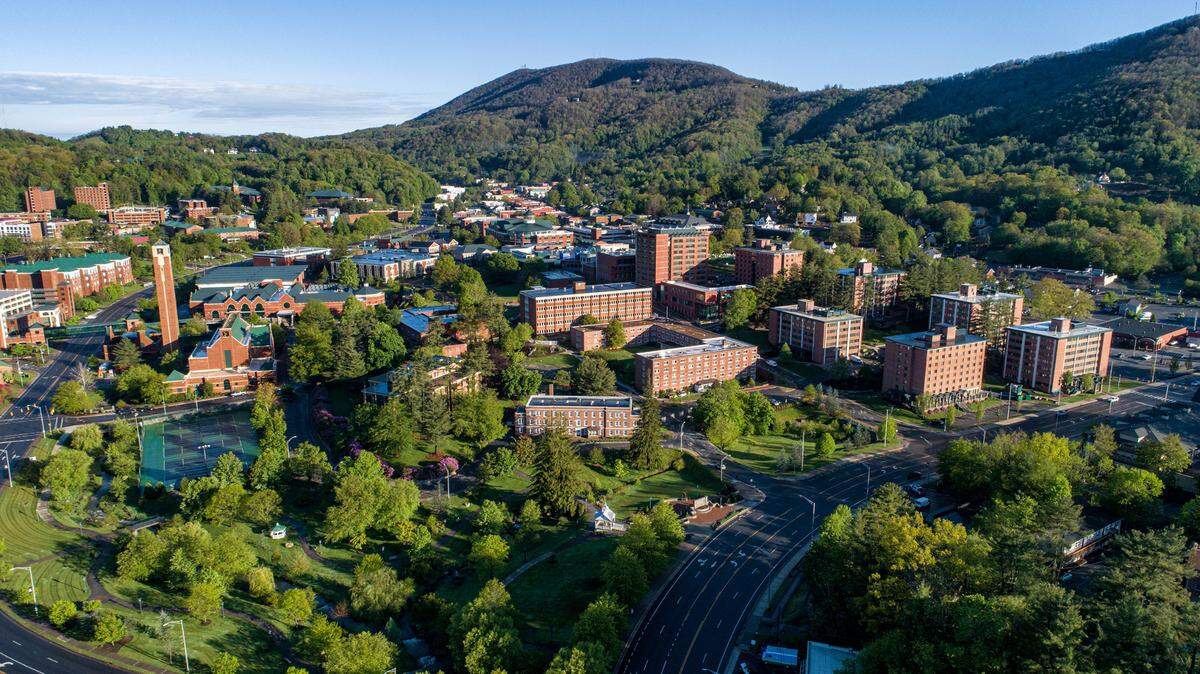
At Appalachian State University, faculty, staff and students met for an unprecedented town hall-style meeting on Feb. 20. They discussed a lack of racial diversity on the faculty, lagging faculty and staff pay and frustration with an administration more responsive to UNC System leaders and the UNC Board of Governors than the needs and concerns of their campus community.
“The faculty feel pretty beaten down,” said Louis Gallien, the former dean of the university’s Reich College of Education and now chair of the Faculty Senate.
Sheri Everts, Appalachian State’s chancellor since 2014, was the subject of a Faculty Senate no-confidence vote in August of 2020, which she lost by almost a two-thirds margin. She was invited to speak at the meeting but declined because of a scheduling conflict. A university spokesperson said the chancellor regularly meets with faculty, noting that since the summer of 2020 she and the university provost have attended 61 departmental faculty meetings.
Gallien said the chancellor attends meetings but “doesn’t seek meaningful council.” He said the faculty wants more say as the administration, taking its cue from the Republican-dominated Board of Governors, is pushing the university toward more vocational training.
“I have never seen this kind of control where the Board of Governors, the Board of Trustees and the chancellor are pretty much in lockstep,” Gallien said. He added, “It looks like they want us to produce workers for North Carolina. We’re not against that, but we think we do more than that. We should produce leaders, too.”
Meanwhile at UNC Greensboro, a drop in enrollment has triggered cuts in staff and faculty. The administration is proposing that future contracts for non-tenure track faculty be limited to one-year to make it easier to shed them if enrollment continues to drop.
Tenured faculty say the loss of non-tenure track faculty will limit their ability to conduct research and bring in grants, further exacerbating the financial situation. They say they have largely been left out of decisions that will affect the school’s quality and its future.
Franklin D. Gilliam, the UNC Greensboro chancellor since 2015, held a virtual meeting two weeks ago about the school’s financial condition and the plans to address it. Five hundred people – the virtual meeting’s capacity – joined the meeting. Non-tenure track faculty are circulating a petition seeking more job security.
Gilliam recently wrote an op-ed in the Greensboro News & Record that concluded: “Despite the gloom you might’ve heard around higher education, we’re getting the job done at UNCG.”
Four UNC Greensboro professors who are members of the American Association of University Professors wrote in response that the chancellor’s positive outlook belies the UNC System’s broader problems. They wrote that Gilliam is “admittedly operating at the behest of the Board of Governors and a state legislature who long ago turned their backs on adequately funding the University System and/or championing the value of higher education in North Carolina.”
Some may dismiss what’s happening at Appalachian State and UNC Greensboro as the complaints of entitled faculty. Certainly some Republican leaders feel that way. But when faculty morale is sinking across the UNC System and a prominent campus is letting people go during a time when the state is flush, something is wrong and getting worse.
This story was originally published March 6, 2022 at 4:30 AM with the headline "Beyond Chapel Hill, other UNC campuses are roiled by leadership and funding issues."