
A COVID figure that’s scary, numbing and incomplete
I can’t even remember their names. Because there have been so many names, so many damn stories, so many damn tears, so much fear, a relentless exhaustion. When we reached 100,000 COVID-19 deaths, it was sobering, scary. Now that that toll is ten times as large, it’s numbing.
Nearly an entire family in the Myrtle Beach area had contracted Covid-19. A few of them were hospitalized. I can’t remember how many of them died from that scourge but know death had visited them during that period which was still fairly early in this seemingly never-ending pandemic.
I remember praying for them while silently thanking God it wasn’t my family going through what they were, not knowing if our turn would come. It was during the days we were washing our hands for at least 20 seconds maybe 20 times a day, spraying Lysol on everything, afraid to touch the doorknob on the front door, when the lockdown was in full effect, pews in churches were empty and it felt as though we were risking our lives driving store to store searching for the last roll of toilet paper. I remember attending a funeral service wearing a suit and tie and a mask that didn’t match. That death wasn’t COVID related. But the service was. It was held strictly outside, graveside, no 40-minute homegoing sermon to send a loved one into the next life the way we always had.
On the day I wrote these words, COVID-19 claimed nearly 1,000 lives, inching the overall death count in the U.S. from that scourge closer to 1 million, a mark that likely has been breached by the time you read this. It’s a number so large it is hard to not have become numb to it, even though when that virus first showed up here two years ago it was unfathomable it would cause so much carnage.
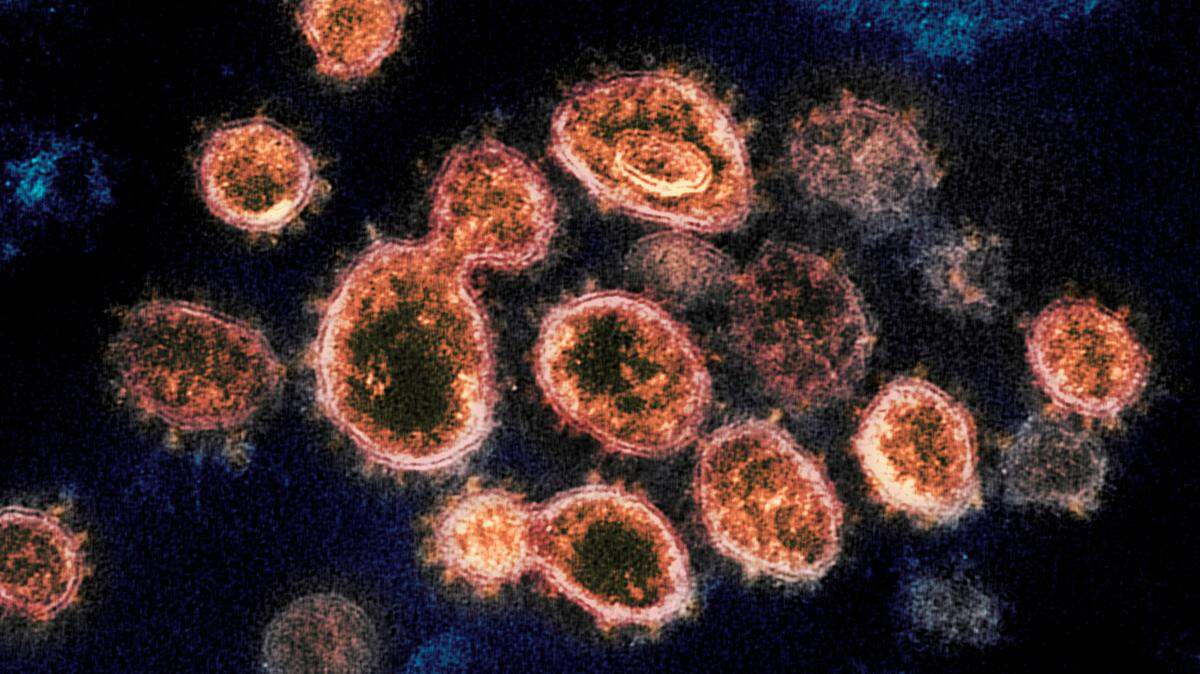
Sure, a few government officials and epidemiologists told us it could get this bad. Sure, it got serious when the NBA paused its season, schools shuttered their doors and even swing sets and sliding boards and basketball goals were locked tight to discourage kids and teenagers from playing outside. Sure, there were the press conferences in which the Trump administration showed projections that could top a quarter of a million deaths. Sure, there were retrospections of the 1918 flu pandemic and intricate explanations about why the spikes on covid made it highly transmissible and dangerous.
Still, it didn’t feel real, at least not 1 million dead Americans real. That’s a figure that’s likely an undercount, a figure that doesn’t incorporate the effects of long COVID, those inflicted who don’t recover for weeks or months or maybe ever, doesn’t account for the suicides and homicides and domestic violence incidents spawned by COVID disruptions.
That figure – 1 million dead Americans – can’t tell us how many relationships have been curtailed or harmed, how many Asian-Americans have been targeted for hate because of bigoted theories about COVID’s origins, how many already-struggling kids were pushed further behind in school and closer to a path of incarceration.
And it’s not even over, likely with another several hundred more recorded COVID deaths today, whatever day you are reading this. We can’t yet shake thoughts of another variant and another wave of death and disruption. Just last summer it felt as though the worst of it had passed until Omicron showed up and ruined everything all over again. That’s despite our quickly creating multiple effective vaccines, spending trillions of dollars to offset the economic harm caused, mandates and protests over mandates – countless prayers sent up for people whose names we too quickly forget.