
Nursing homes: NC must eliminate obstacles that leave facilities short-staffed
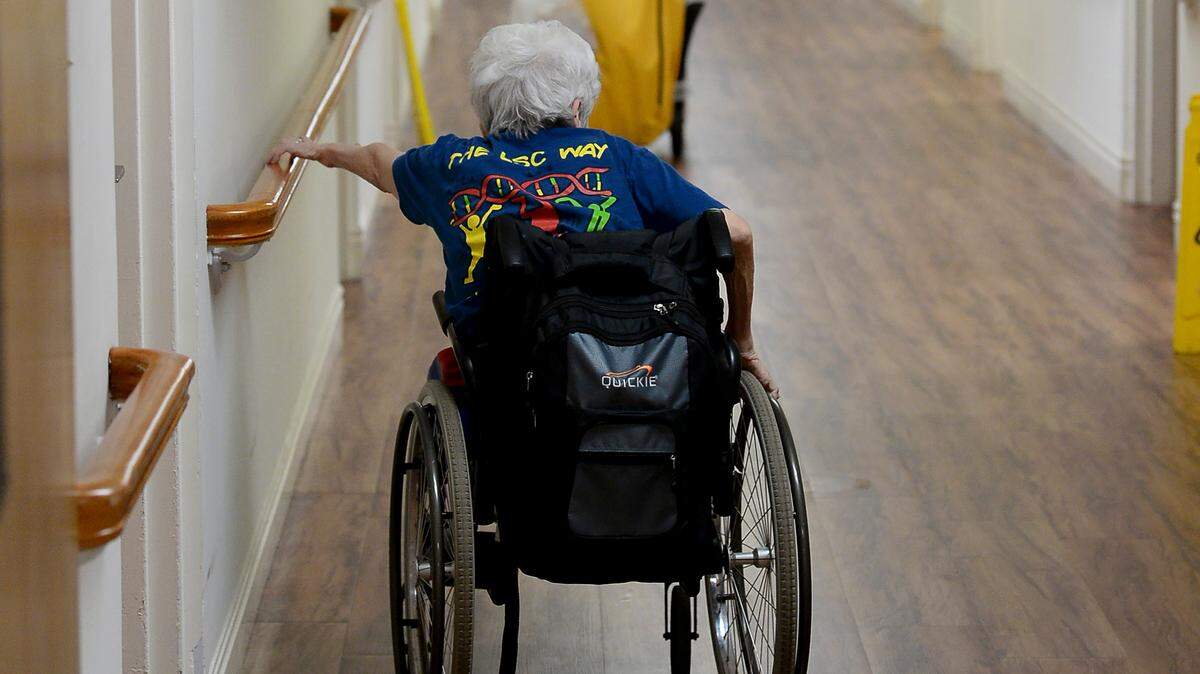
After reading about chronic nursing home staffing shortages, it makes you wonder what value our society places on caring for our most vulnerable residents. It’s a fair question to ask, and one that deserves examination.
But the recent “Left Alone” nursing home series implied something more disturbing — that nursing home operators are intentionally providing substandard care to boost profits.
Nothing is further from the truth.
We are fortunate to have 40,000 caregivers who provide compassion and care to nursing home residents every day. They perform difficult tasks and don’t get nearly enough pay (or gratitude) for the work they do.
The problem: North Carolina needs a lot more of these workers. And more funding to pay them.
Nursing home operators across the state are trying to hire thousands of caregivers. Almost every nursing home needs more help. Since the start of the pandemic, we lost more than 13,500 nursing home employees. About one-third of N.C. nursing homes still report staffing shortages.
In an effort to recruit and retain employees, nursing homes used temporary COVID funding to increase wages and pay bonuses. The industry partnered with community colleges across the state to provide free training for aides and launched a marketing campaign to attract new caregivers.
More needs to be done. To many, the solution is obvious: Pay higher wages. That is a critical need, but it’s not that simple.
More than two-thirds of nursing home residents are on Medicaid. North Carolina’s Medicaid reimbursement rates — lowest in the Southeast — don’t cover the cost of care. That means nursing homes must offset Medicaid losses with other funding sources.
The result: Nursing homes are barely breaking even. In the four years prior to the pandemic, the median profit margin for N.C. nursing homes was basically zero. (Figures range from high of 0.8% in 2016 to a low of -1.1% in 2018.)
An influx of temporary, one-time funding led to increased revenues in 2020. Most of those dollars were spent on staffing increases and other COVID-related costs.
The industry’s non-existent margins leave facilities without the funding needed to pay higher wages and hire more workers — even though we desperately want to. Another impact: smaller nursing home operators, including nonprofits, have left the industry over the past decade. Larger companies bought many of the facilities, relying in part on economies of scale to offset low profit margins.
Without the willingness of for-profit companies to step in, thousands of families would be left without access to care. Moreover, for-profit companies are more willing to care for Medicaid patients, serving about twice as many as nonprofits.
The notion that for-profit companies cut corners to boost profits is inaccurate and insulting. Medicare cost reports show that nonprofit facilities generate higher margins than their for-profit competitors.
Rather than attack N.C. nursing home operators, we should offer them support.
We must work together to find long-term solutions to this staffing crisis before it gets worse. We must eliminate obstacles that make it difficult to become a nurse aide and increase permanent funding so we can pay caregivers what they deserve. Only then can we grow the workforce to meet the rising demand for long-term care.
Adam Sholar is president and CEO of the N.C. Health Care Facilities Association, which represents 400 facilities across the state.
This story was originally published April 9, 2022 at 4:30 AM.