
South Carolina’s Dawn Staley shows grace in the face of unfair questions
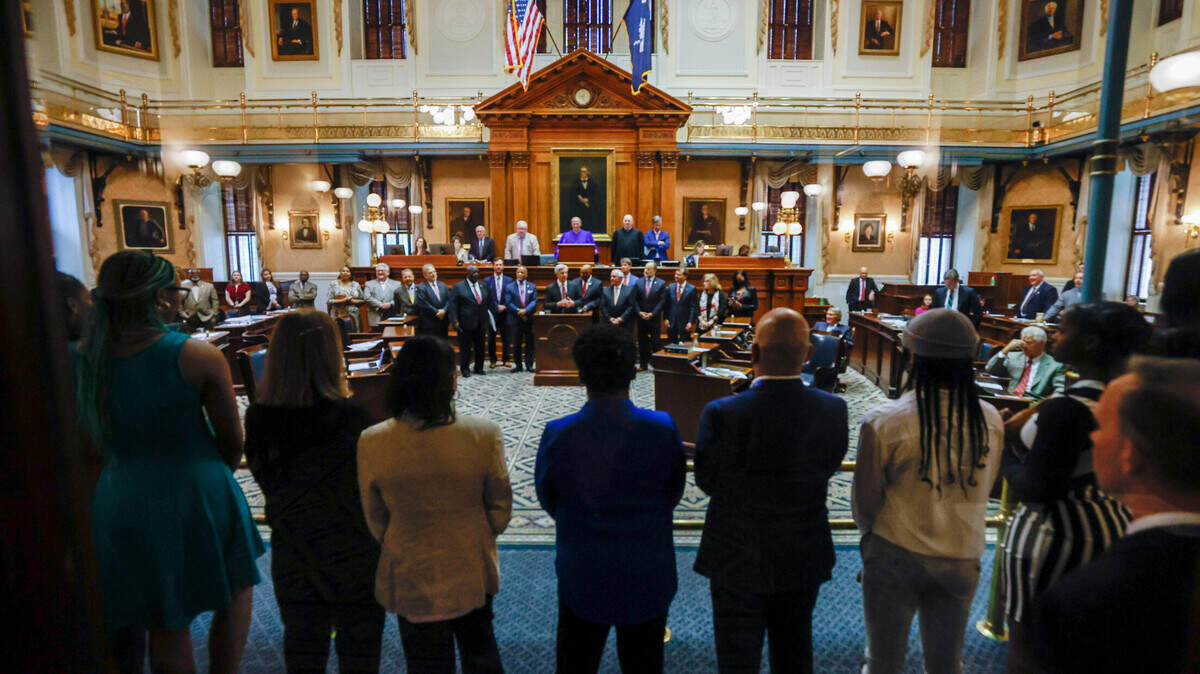
Dawn Staley has brought more honor and excellence to South Carolina than most people in recent memory. And yet after her latest historic achievement, she had to answer questions about whether the University of South Carolina women’s basketball team she leads is patriotic. I couldn’t help think about that as images of the team, fresh off its second national title under Staley, being greeted as conquering heroes in the General Assembly began circulating Wednesday. I’m happy the team is being celebrated. They’ve earned it. I’m saddened, though, that excellence often isn’t enough.
Days before the Gamecocks would win its matchup against the University of Connecticut, the Business Insider reported that the national anthem wasn’t played at Colonial Life Arena during Gamecock games this season. (The report was corrected to say that the team isn’t on the court when the anthem was played.) The implication was clear, the team and Staley were unpatriotic, which is why Staley had to take time during the celebration of an unprecedented second national title by a black coach in major men’s or women’s basketball to explain that it was simply about timing, when the team leaves the court for warmups and when they come back to begin the game vs. when the anthem is played.
The Business Insider story led to days of Staley and the team being called ugly names. (They stood during games on the road.)
“And then the other articles come out from that, and then we’re called unpatriotic, we’re called — some of the nastiness, and it’s because we’re a predominantly Black team,” Staley told reporters.
Staley had just done what no one before her had been able to accomplish. She had done it with poise and class. It’s clear she’s one of the most effective leaders in the state, the kind that residents should be proud represents South Carolina. She’s the embodiment of hard work and excellence, a role model’s role model. But for some, that wasn’t enough. She and her players were supposed to toe a line, to know their place, to not make white folks uncomfortable. And when it was perceived that they hadn’t, exceptional performance at the highest level wasn’t enough for them to not have to endure the slings and arrows far too many before them had to endure while trying to force this country to live up to its stated ideals.
During the 2020-21 season, the height of the George Floyd-related protests, many Gamecock players sat during the national anthem to “shine a light on the need for racial equality, social justice and ending systemic racism in our country” while at least one chose to stand to highlight a family member’s military service. There was nothing wrong with some of them using that platform then to raise important issues, nothing wrong with them choosing to stand when the chance arose this season, including during the Final Four.
It should be lost on no one that many of the legislators congratulating and snapping pictures with Gamecocks players this week are among those who push laws and ideas that produce the ugly environment Staley was forced to address. Their anti-1619, anti-CRT rhetoric and bills reinforce the idea that black people are ungrateful if we don’t buy into their definition of patriotism, that we’ve done a grave disservice to our country for not simply going along with racial myths we’ve long been fed in our schools, in our history books, chiseled into statues and monuments dedicated to men who beat and raped and robbed us of dignity and freedom.
That’s why I’m glad Staley took the time to address it, once again showing poise under pressure. I’m just hoping one day men and women like her will no longer have to.