
There’s more to the story of rising rents in NC. Here’s what can be done to help.
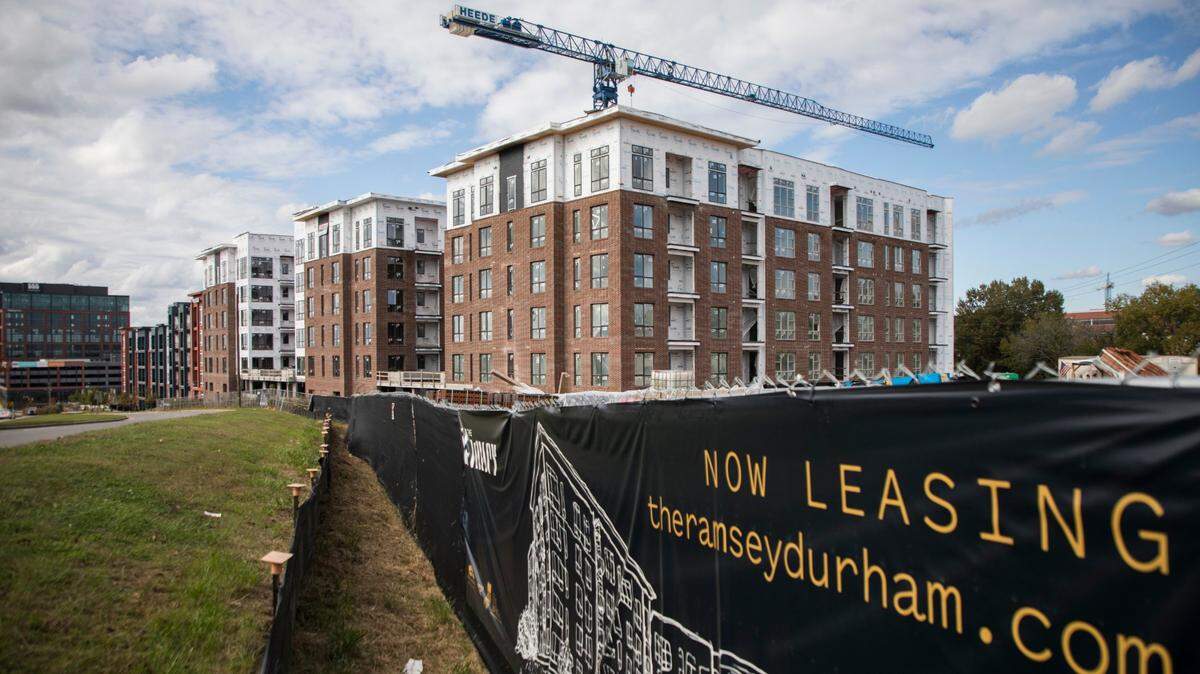
Rents have been rising in North Carolina and across the U.S., leading many fair housing advocates to weigh in on the causes.
The soaring cost of goods and services in almost every industry is driving housing expenses higher, and housing providers cannot solely absorb the cost. Inevitably, the burden of inflation is shared between owners, operators, suppliers and rental consumers. This translates to higher rents and decreased profit margins.
Typically, housing providers operate on thin profit margins. For every $1 of rent, only 9 cents is returned to owners as profit.
Where does the rest of the rental dollar go?
▪ 38 cents of every $1 pays for the mortgage on the property. This is a critical expense, as mortgage foreclosures put residents at risk of losing their housing. Yet mortgage rates are rising, nearing 5% for a 30-year fixed rate loan.
▪ 17 cents of every $1 pays for operating expenses, such as property and liability insurance, utilities and ongoing maintenance. A survey by NDP Analytics revealed that housing providers are seeing higher premiums across multiple lines of insurance. For general umbrella/excess liability insurance, 60% of survey respondents reported increases greater than 15%. One in 10 witnessed premiums double or more than double.
▪ 15 cents of every $1 goes to property taxes, which help support communities through financing for schools, teachers, emergency services and other important local needs.
▪ 11 cents of every $1 is spent on capital expenditures, including roof and HVAC replacements and other important repairs. These costs also are rising.
▪ 10 cents of every $1 covers payroll expenses for the 17.5 million jobs the industry supports.
As if rising costs weren’t enough to apply pressure on rents, we’re also experiencing a period of low housing supply and high demand. According to RealPage, demand for apartments in 2021 surpassed the previous annual high by 66% — a trend that’s expected to continue.
There are now three generations of North Carolinians seeking rental housing: downsizing Baby Boomers, millennials, who’ve been priced out of the housing market, and recent Gen Z graduates. These three large groups are competing for apartment housing, further driving the supply-demand imbalance.
The lingering effects of the eviction moratorium have further diminished supply. At the height of the moratorium, mom and pop owners, who make up 53% of the nation’s rental housing stock, were overwhelmingly impacted by the loss of rental income. Some barely stayed afloat and others sold their properties to offset the loss.
The National Rental Home Council notes that one-third of these smaller apartment owners indicate they may sell or have sold all their properties, an increase of 10 percentage points from a year earlier.
The only viable remedy is to build more housing to meet demand, which will increase supply and allow for naturally occurring affordable housing.
The National Apartment Association and National Multifamily Housing Council agree that we need to build at least 4.6 million new apartment units at all price-points by 2030 — just to meet the current demand.
To fill this tall order, we must be dedicated to sustainable solutions and responsible policies that will address the underlying issues placing upward pressure on existing housing which drive rental costs. This includes supporting the National Apartment Association’s call to establish federal incentives for local governments to remove barriers to housing development and rehabilitation.
We must also revamp Section 8 Housing Choice Vouchers to enable greater participation by private housing providers and expand affordable options for low and moderate-income Americans.
Rising rent prices should prompt us to act swiftly and intentionally to address the rental housing shortage, while also acknowledging that costs of all kinds are rising as well, further driving up rents.
Blaming apartment owners and operators, who already faced with thin margins, is too easy and too shortsighted.