
Here’s what Charlotte should consider when regulating VRBO-like rentals like mine

Short-term rental platforms like Airbnb and VRBO have revolutionized travel by providing comfortable, affordable accommodations for relocating families, tourists, out-of-town contractors and others — similar to the way Uber and Lyft revolutionized transportation.
They also provide tax revenue and income for individuals, retirees and small business owners such as myself.
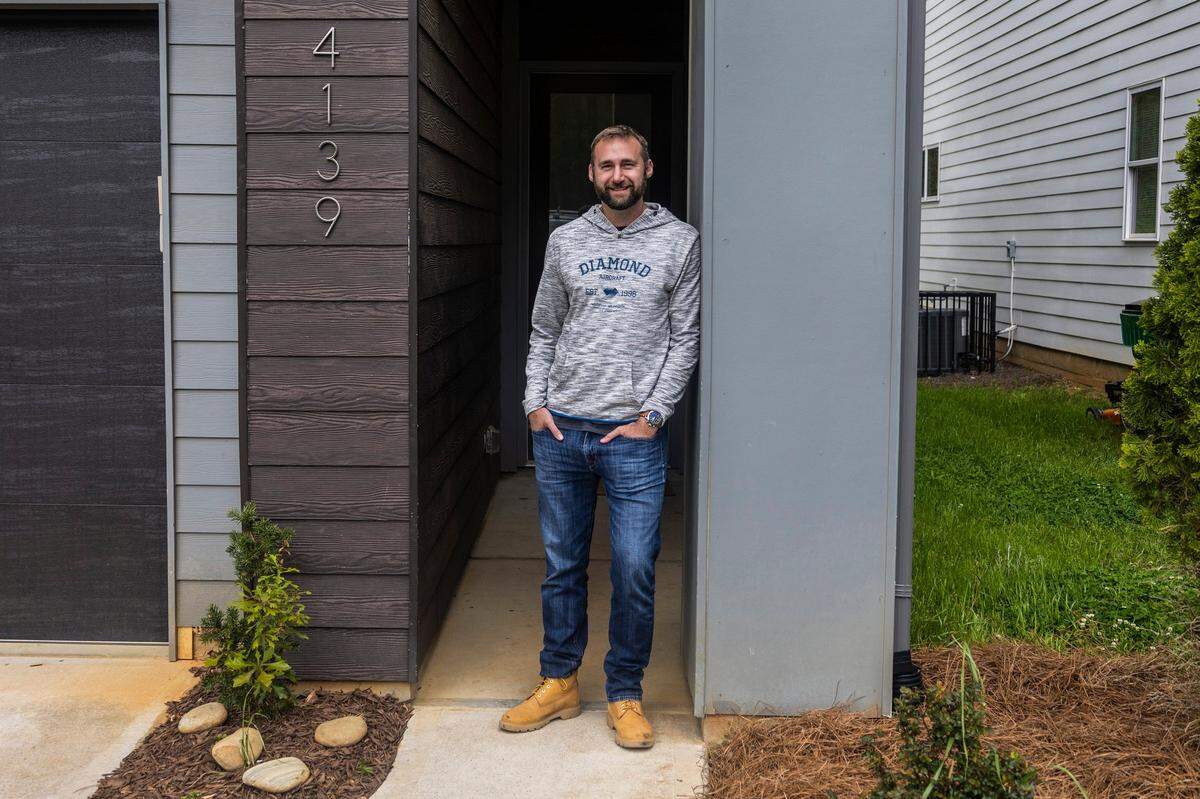
I developed a community of 22 short-term rental homes off I-85 in northeast Charlotte. I live there too. My homes are among the more than 3,170 active short-term rentals in Charlotte, up from about 1,300 in 2018.
However, with all growth, comes growing pains.
On Friday, the city of Charlotte scrapped all of its proposed new regulations around short-term rentals, but it is expected to reconsider them once ongoing legal cases and possible state legislation are decided.
The City had discussed imposing regulations to address noise, traffic and parking complaints from individuals residing next to or in close proximity of short-term rentals. My hope is that when city officials take up the issue of short-term rentals again they will recognize that the positives of these rentals far outweigh the negatives — and that negatives like noise complaints, traffic/parking issues, and property damage are the result of a small number of individuals who do not abide by the laws of our city or the rules set by most short-term rental owners.
Over the past decade short-term rentals have steadily captured hotel market share via listing platforms such as Airbnb and VRBO. While some short-term rental owners have apparently been less than diligent concerning activities on their properties, there are responsible owners and operators who rely on the rental revenue to make a living, or support their retirement.
As a developer, owner and permanent resident in my short-term rental community, I believe the City should focus on the actual issue that needs to be addressed — renters breaking the law and abusing private property by having house parties.
Before scrapping its plan, the City was considering a short-term rental owner registry, restricting parties and events, requiring 400-feet of distance between all short-term rental units, and revoking an owner’s privileges if more than three violations were cited within a year at a given property.
While I applaud the idea of trying to eliminate the noise complaints and other negative impacts of disruptive individuals, the City’s initial proposal was misguided for several reasons.
The primary problem is that the vast majority of short-term rental owners and operators do everything they can to prevent house parties and other disruptive behavior since it results in thousands of dollars of property damage, negative reviews, and 1 a.m. phone calls on a weekend.
The individuals who should be punished for having parties are the renters, many of whom will lie about their intended use of the property and disregard house rules.
The 400-foot distance requirement the city had been considering is arbitrary and creates a myriad of problems concerning who gets to own/operate short-term rentals. For example, my houses are in the same subdivision, located approximately 20 feet apart and several hundred feet away from other residential and commercial properties. A distance requirement like that would put my company — and over a dozen cleaning and maintenance staff, many of whom are single-mothers — out of business.
I installed cameras along the entire street to monitor for parties, traffic, noise and more. In the last year I have had only two parties occur out of 8,030 available rental nights. Both were shut down as quickly as possible.
As a short-term rental community owner, I believe that when the city takes up this issue again it needs to put its focus on renters breaking the law and abusing private property. The City should set regulations to address the negatives of noise complaints and traffic/parking issues, but not make it harder for short-term rental owners to operate.