
Rental home companies: Charlotte and Raleigh benefit from them
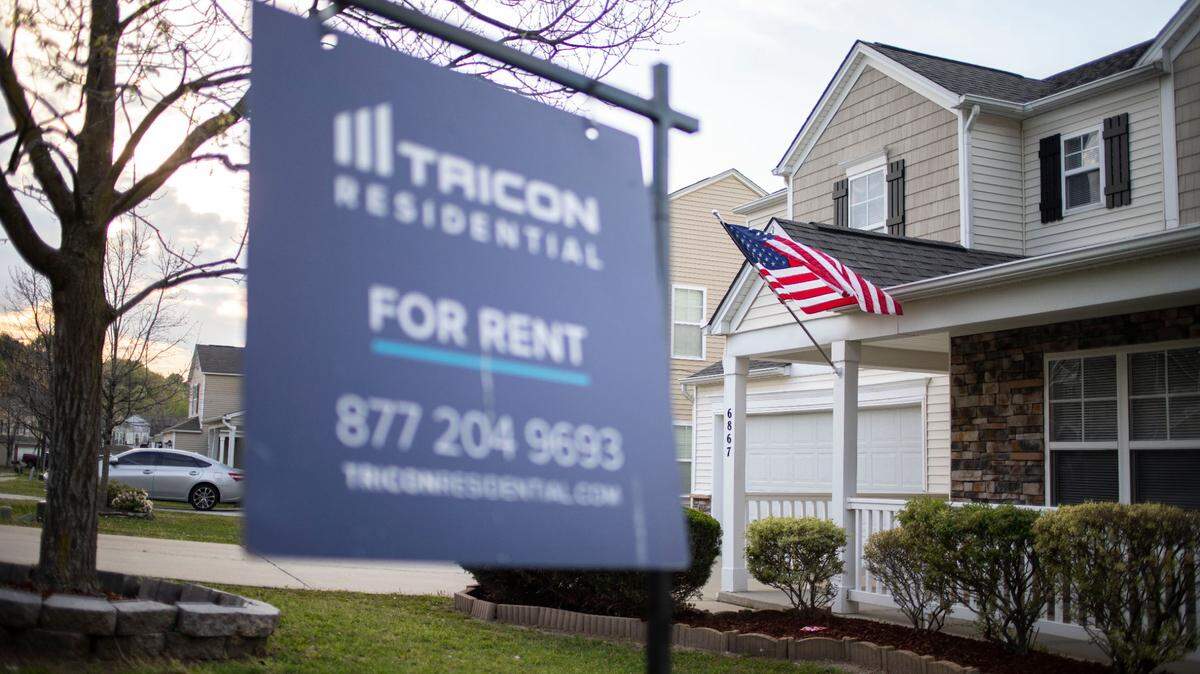
In response to recent reporting by The Charlotte Observer and Raleigh News & Observer regarding “corporate landlords,” I’d like to say that providers of single-family rental homes are working diligently to respond to the demand for quality, affordably-priced, rental housing in safe, well-located neighborhoods.
Single-family rental home companies — large and small — are committed to the Charlotte and Raleigh area communities in which they invest and build, by providing families with more options for housing to meet the needs of local residents.
Here is needed context concerning the single-family rental home market in Charlotte and throughout North Carolina:
There are more than 4.7 million housing units in North Carolina, 720,000 of which are single-family rental homes. Member companies of the National Rental Home Council (NRHC), which include the largest owners of single-family rental homes, own approximately 25,000 homes in N.C. This equates to about 0.5% of the residential housing and roughly 3.5% of the number of single-family rental homes.
Demand for rental housing is directly correlated to job growth and population growth, and on both fronts the Charlotte and Raleigh regions are booming. The U.S. Census Bureau reported that Charlotte was among the fastest-growing cities in the country over the past decade with population growth of over 21%. It was also the fourth fastest-growing city for job growth in 2021 and is expected to see a nearly 50% increase in the employment base over the next decade.
In the Urban Land Institute’s 2022 Emerging Trends report, Charlotte was ranked as the seventh best city for real estate investment and Raleigh-Durham the second. As these areas continue to attract new residents and businesses, the supply of rental housing will have to expand accordingly.
While the number of properties owned by providers of single-family rental homes has increased in Charlotte and Raleigh, so has the number of properties in the owner-occupied and multifamily housing markets — dramatically so.
For example, between 2010 and 2019 the number of total housing units in the Charlotte market increased by more than 15%. In 2021 there were more units of multifamily housing delivered in Charlotte (10,692) than any single year on record.
The claim that providers of single-family rental homes are somehow adversely impacting home ownership in Charlotte and Raleigh is dubious at best. Between 2016 and 2020 the home ownership rate in the Charlotte metro area increased from 66% to 73%. Further, providers of single-family rental homes are increasingly shifting to the building of new homes for rent rather than purchasing existing homes. This is particularly evident in new build-for-rent communities throughout the region.
Most importantly, providers of single-family rental homes are committing significant resources to the Charlotte market for one reason: Demand.
In a recent NRHC survey, the Charlotte and Raleigh-Durham markets led the nation in single-family rental home occupancy levels at a rate of 98%. Companies are investing in local staff, hiring local contractors and business partners, and bringing property management expertise to the local market to assure a positive experience for those who choose a single-family rental home lifestyle.
NRHC member companies invested nearly $2 billion in home renovations, upgrades and other property-level operations in 2021, and each of NRHC’s five largest member companies maintain an A+ rating from the Better Business Bureau.
The Charlotte and Raleigh housing markets should reflect the diverse needs and circumstances of those who call these vibrant and dynamic regions home. Single-family rental home providers are an important part of the housing ecosystem throughout North Carolina and across the country.
As testament to the role of single-family rental homes in neighborhoods and communities, a report by Harvard’s Joint Center for Housing Studies and AARP in 2021 found, “the most livable neighborhoods offer the most diverse set of housing options, including multifamily and rental opportunities as well as single-family and owner-occupied homes.”