
Ten years after DACA, I’m out of the shadows and helping make NC better
DACA has been a dream come true for me, but I don’t know how long it will last.
In 2000, I arrived in the United States at age 14. My mind was filled with energy and positivity to accomplish my goals and overcome any obstacles in my way. But I was also confused, scared and most of all, I missed my parents who had stayed back in Mexico.
I came to the U.S. to live with my aunt and uncle in Roxboro, who had been living here for a long time. My aunt used to tell me that things were going to change for me for the good — and I believed that too. After a month, my parents arrived in U.S.. My mother, father, 13-year-old brother and 3 year-old sister and I were finally together again and so grateful to our whole family for supporting us.
We finally moved out of my aunt’s house and got to focus on our own family. My mom registered me at Person High School in Roxboro. Despite the loneliness, the inability to make new friends due to the language barrier, and the feeling of exclusion due to being taken out of my regular classes to see the ESL teacher, I was motivated by my parent’s sacrifice.
Their sacrifice pushed me to work hard pursuing my studies. My parents left everything behind — their country, their home, and most importantly, their parents to give my siblings and I a better future.
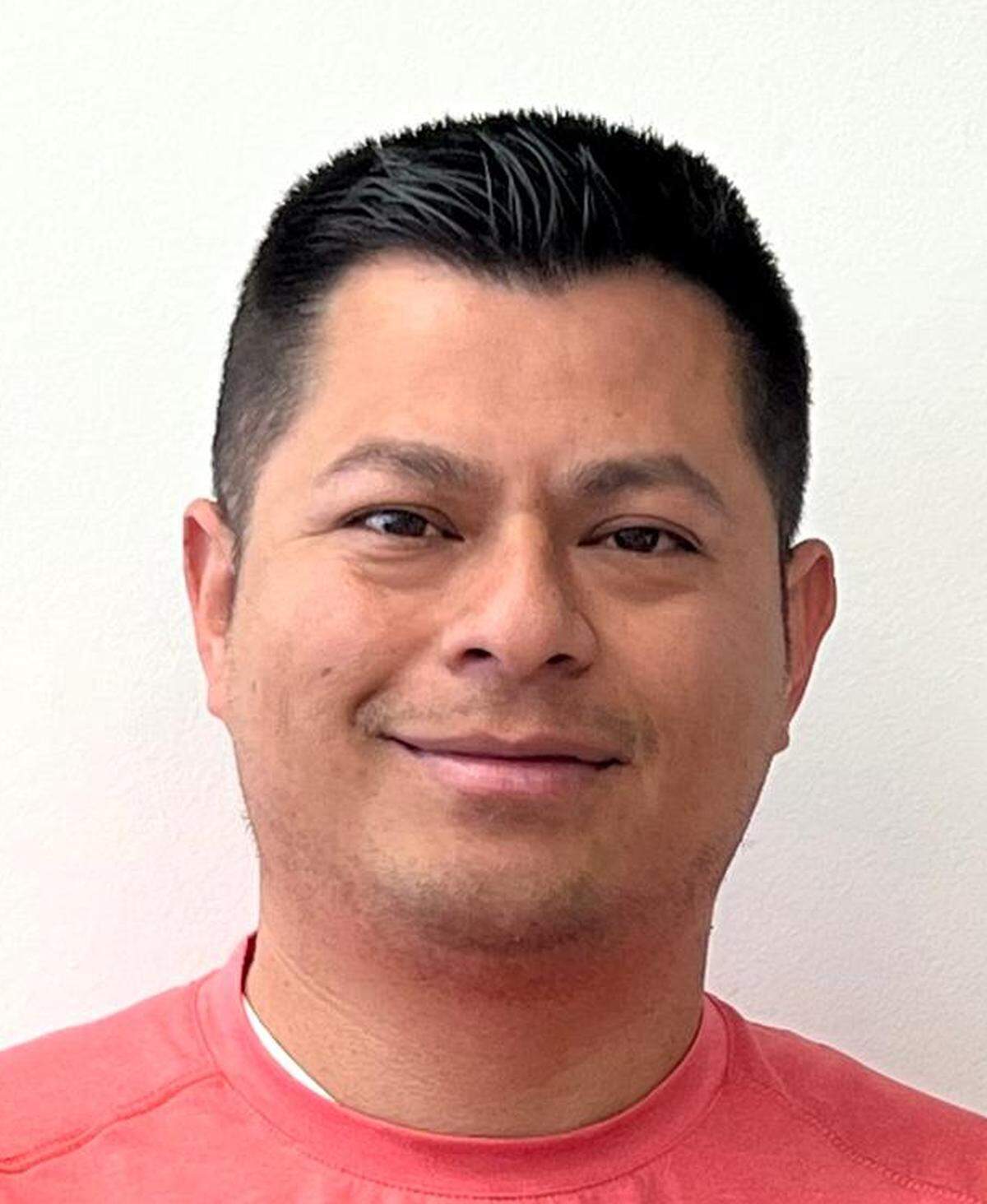
When I turned 18, I realized that I did not have many options for my future. I didn’t even have the same opportunities as my friends and classmates did. I couldn’t apply for a driver’s license. I could not apply for any of the benefits that this country offers to its citizens. I couldn’t do any of that because I didn’t have a Social Security number.
Worst of all, I could be deported.
It felt like a nightmare, but my desire to succeed was still alive. I promised my parents that I was going to support them and to return to them a little from all they have given me.
As time went by, I worked tirelessly at any job I could get and for long hours. In a saw mill. On construction sites. And landscaping.
When you don’t have a Social Security number, the job opportunities, pay, benefits and rights are not fair. I couldn’t enjoy vacations or take time off. There was a point where I even felt that I didn’t have the right to get sick.
In 2012, with the introduction of the Deferred Action for Childhood Arrivals program, I could see my life start to change little by little. Once I became a DACA recipient my mind started to fill again with dreams, goals and purpose — thanks to the effort and dedication of those who made DACA possible.
With DACA, I could come out of the shadows and see how many doors of opportunity opened. I started feeling more confident as I had the chance to get my Social Security number, a driver’s license, and found better job opportunities. I finally felt that I belonged here, that I was included and had rights.
Now, 10 years later, I am working as a community support specialist at a Durham nonprofit. I have a job that fulfills me; serving others is my passion. In this job I am working for my community. I help people find legal assistance, healthcare, housing, education and food. I help with translation and interpretation too.
One of my proudest moments came when I figured out that a single mother asking for help to get a “friend” out of an abusive relationship, really needed the help for herself. I made her feel safe and connected her with organizations that could help. Months later she returned and told me that she had sought help from those groups, left the relationship and was remaking her life.
The most important thing is that I am helping strengthen the community and advocating for equity and inclusion. I am helping people who have the same needs and difficulties my family and I faced when we arrived.
Although DACA has been a relief and a great opportunity for Dreamers like me, it is still not enough. I wish we wouldn’t have to worry every two years to renew it or to fear that it will end at some point.
We Dreamers, are contributing to this country with our work and our talents. We need a path to citizenship.