
An ominous development for the 2024 election, thanks to NC Republicans
Voting in North Carolina is not fair. But over the years, judicial intervention and the governor’s veto have spared voters of the GOP’s worst efforts to scrub the democracy out of our elections.
Now, lawmakers are hoping the high court will get rid of such pesky obstacles.
They just might get their wish. The U.S. Supreme Court agreed Thursday to hear a case that could give state legislatures across the country unprecedented power over federal elections.
The case, brought forth by top North Carolina lawmakers, concerns a fringe legal theory known as the independent state legislature doctrine. According to their reading of the Constitution, state legislatures should be immune from checks and balances when it comes to regulating congressional and presidential elections.
Republican lawmakers want the court to decide that legislators have the sole authority to set election rules — including redistricting and the appointment of presidential electors — and state courts have no power to intervene. Their goal is to reinstate gerrymandered congressional maps struck down by the state’s highest court earlier this year.
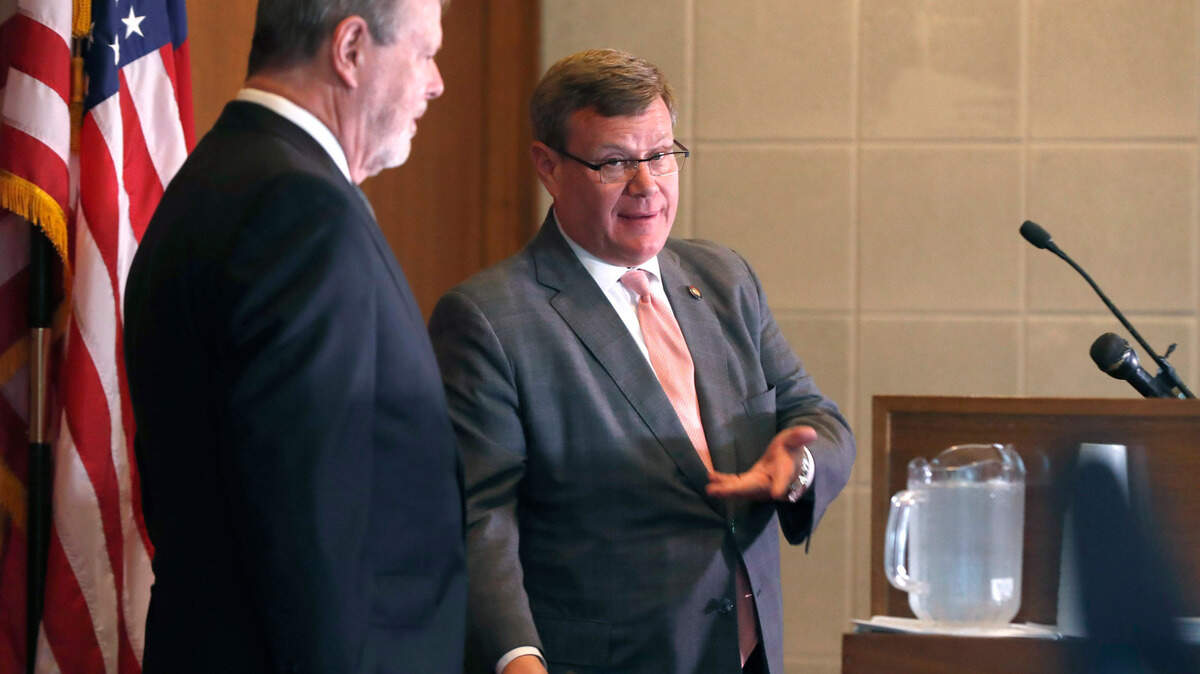
“This case is not only critical to election integrity in North Carolina, but has implications for the security of elections nationwide,” N.C. House Speaker Tim Moore, whose name is on the case, said in a statement Thursday.
Moore is right — but the implications of this potentially blockbuster decision would be catastrophic. At worst, the independent state legislature doctrine would permit legislators to submit their own slate of presidential electors to overturn election results — something that Donald Trump and his allies tried (and failed) to do illegally in 2020. J. Michael Luttig, a retired Republican judge and former adviser to Vice President Mike Pence who testified at the Jan. 6 hearings, called it the “Republican blueprint to steal the 2024 election.”
It sounds undemocratic. And it is.
If the court rules in the GOP’s favor, lawmakers will have free rein to hijack our elections and dismantle democracy. Voter suppression laws might not be subject to a governor’s veto, and gerrymandered maps couldn’t be struck down by state courts. State legislatures would be able to enact laws that violate their state constitutions, which typically have broader voting rights protections than what the U.S. Constitution provides. And, in a nightmare scenario, those in the majority might even be able to simply throw out election results that don’t go their way.
In essence, Republicans in North Carolina and beyond might be able to achieve what they have long set out to do: permanently entrench themselves in power.
Such a ruling would fly in the face of more than 100 years of the court’s own precedent — the court has repeatedly heard and rejected this theory before. As recently as 2019, the Supreme Court ruled in Rucho v. Common Cause that redistricting matters are primarily a question for state, not federal, courts. But precedent, as the court’s conservative majority has recently shown, can easily be overturned.
Little by little, North Carolina Republicans have tried to chip away at our democracy, snatching power out the hands of voters and giving it back to themselves. But this Supreme Court case might be more than just an erosion of democracy. It could blow it up altogether.
BEHIND THE STORY
MOREWhat is the Editorial Board?
The Charlotte Observer and Raleigh News & Observer editorial boards combined in 2019 to provide fuller and more diverse North Carolina opinion content to our readers. The editorial board operates independently from the newsrooms in Charlotte and Raleigh and does not influence the work of the reporting and editing staffs. The combined board is led by N.C. Opinion Editor Peter St. Onge, who is joined in Raleigh by deputy Opinion editor Ned Barnett and in Charlotte by deputy Opinion editor Paige Masten. Board members also include Observer editor Rana Cash and News & Observer editor Nicole Stockdale. For questions about the board or our editorials, email pstonge@charlotteobserver.com.
This story was originally published June 30, 2022 at 1:09 PM.