
Medical marijuana: I don’t want to rely on opioids for my chronic pain, but I have to in NC
I was diagnosed with rheumatoid polymyalgia — a fancy medical term for chronic leg pain — eight years ago. There is no cure, only treatment. In my case, opioids have been prescribed and I have taken them daily to relieve the pain.
And they work. If I’m late or forget to take my morning dose, I can feel it that afternoon. The pain is like a flu — aching, throbbing at times. But most of all, chronic. It’s always there, like a faithful dog waiting for his walk. Only not as rewarding as that walk.
It is estimated that more than 115 million people in the United States are living with chronic pain. (I had no idea I had so many friends out there.) Other estimates lower that to more than 50 million — still a substantial number of people suffering daily.
Here in North Carolina, House Bill 455 recently passed. It permanently removes hemp from the list of controlled substances. It was legalized several years ago, but that was about to expire. Bravo N.C. legislature!
A recent bill in North Carolina involved the outright legalization of medical marijuana. The Senate passed it. But leave it to the N.C. House to muck it up. It’s stalled and we all know what that means.
According to news reports, the growing and selling of hemp and medical marijuana raised $26 million in tax revenue for our state. If we act now, imagine how much of that revenue will grow. So what’s the problem?
We live in a very rich rural farming state. North Carolina is the largest producer of tobacco in the United States and has a long history as a major tobacco producer.
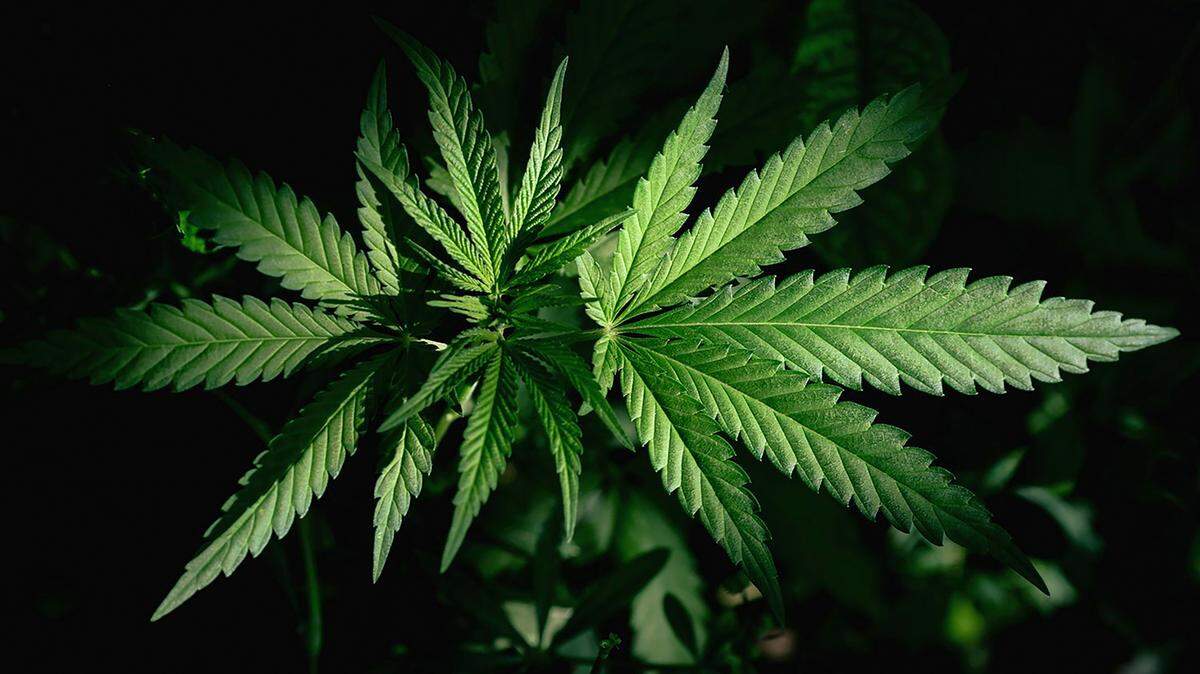
Planting, farming, and delivering marijuana for medical use could benefit N.C. workers and and N.C. residents who suffer from chronic pain.
But let’s look at why some people feel this is not an option. In a word, it’s about money. Specifically, money made by pharmaceutical companies that have made a killing in the past few years on chronic pain and other medications, including COVID vaccines.
Let’s look at the numbers. Pfizer made $81 billion in 2021, in part due to COVID vaccines. Johnson & Johnson generated $93 billion in revenue in 2021.
But let’s acknowledge that they don’t just keep that money in-house. No, they spend it. More than two-thirds of the U.S. Congress received a check from a pharma company last year. But pharma companies also know how important it is to influence at the local level, so they also poured in campaign contributions to more than 2,400 state legislators last year.
In 2020, nine North Carolina residents died of an opioid overdose every day. Read that again – every day.
I don’t want to rely on opioids for my treatment. I know how addictive they can be, so I take less than my prescribed daily dosage.
I would rather be enjoying a marijuana smoke on my screened porch than downing another couple of pills from Pfizer. I’d rather support North Carolina farmers than rich pharma CEOs. I’d rather be organic than non-organic.
It’s time for North Carolina legislators to help the millions of us with chronic pain. Do your job and pass legislation that legalizes medical marijuana. Some of us could really use it.