
NC health chief: The window to control monkeypox is closing
The World Health Organization has declared the outbreak of monkeypox a “public health emergency of international concern,” its highest level of alarm. As of Friday, case numbers were rising quickly, with 46 cases in North Carolina and nearly 5,000 in the U.S.
Unlike COVID, monkeypox is not a new virus. We have the tools needed to respond, including plenty of tests and an effective vaccine. But the window to control the monkeypox outbreak is closing. North Carolina must act quickly to get people checked, tested and protected to stop the spread.
Monkeypox can start like many illnesses, with a fever, exhaustion or other symptoms. Then a rash appears that can look like blisters or pimples, anywhere on the body. It spreads by close skin-to-skin contact, which often happens during kissing, snuggling or sex. You aren’t likely to get it by sitting next to someone at a restaurant.
While anyone can get monkeypox, right now, data shows nearly all N.C. cases are in men who have sex with men (MSM), a term we use because not all MSM identify as gay or bisexual. We see the same disparity nationally and internationally.
Let me be clear about two things:
▪ Monkeypox is not an MSM-only disease. Anyone can get it. While the virus took hold in this closely connected community, it could circulate in other communities and settings.
▪ Monkeypox is not a sexually transmitted infection. You can get it during sexual or non-sexual contact.
The current spread in the MSM community creates public health communication challenges. Talking about it directly can make some people feel stigmatized. As a gay man, I know firsthand how stigma and discrimination continue to harm LGBTQ+ health and well-being. And as North Carolina’s public health leader, I am committed to ensuring all North Carolinians are healthy and following the data to tackle problems head-on.
When we see health disparities, we don’t place blame on the communities they impact. We improve the systems that serve those individuals. The Black community is more impacted by certain chronic diseases. Rural communities often have lower rates of health coverage. We must tackle those disparities, not blame those impacted. The same holds with monkeypox. These disparities demand that our government, our health-care system and all of us work together for better health outcomes.
We are committed to focusing resources where they are most needed. In the early days of COVID, we steered masks and gowns toward nursing homes because the virus spread rapidly there. We did the same with vaccines. While monkeypox is thankfully rarely fatal, the same principle applies.
Even before the first case of monkeypox was reported in North Carolina, NC DHHS closely monitored the outbreak, coordinated with partners and planned our response. Earlier this month, we released our Monkeypox Response Plan.
To help contain monkeypox, we urge people to take three steps:
▪ Get checked. See a health care provider if you’ve had skin-to-skin contact with someone with monkeypox, or if you have bumps, sores or a rash that looks like blisters or pimples. If you don’t have a provider, call your local health department.
▪ Get tested. Testing is widely available and encouraged if you have monkeypox symptoms. Samples must be collected by a healthcare professional.
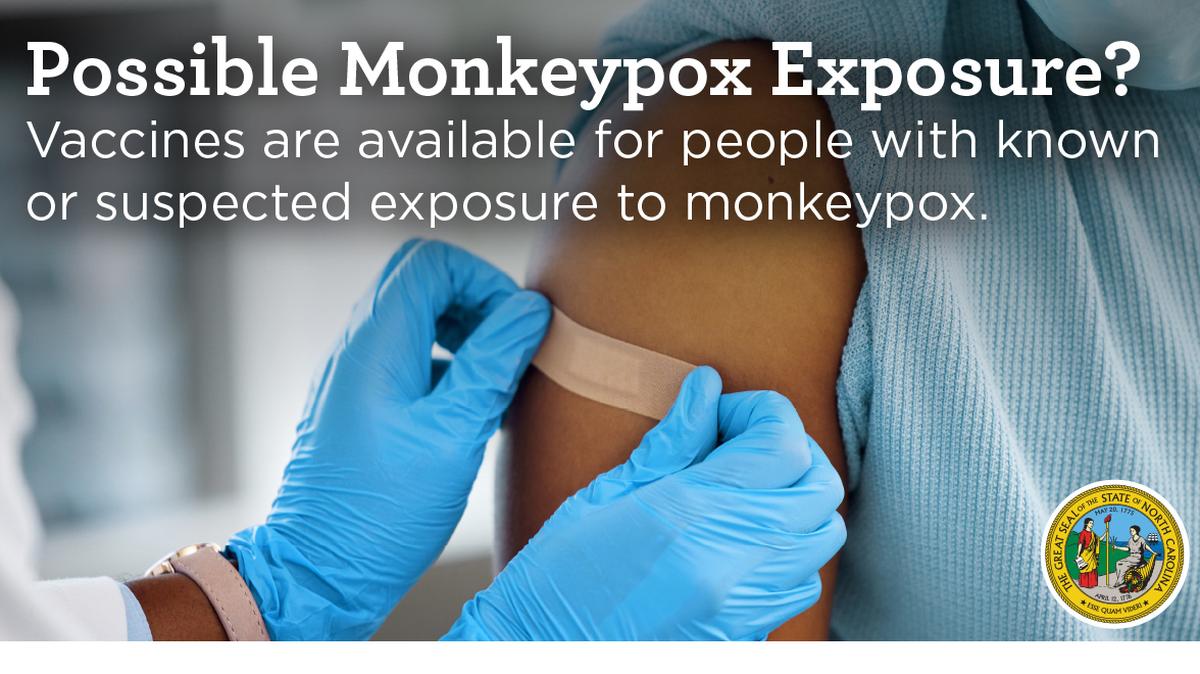
▪ Get vaccinated. Anyone who had close contact in the past two weeks with someone diagnosed with monkeypox should get a vaccine. Vaccines are also available to MSM who in the last 90 days have had multiple sexual partners or anonymous sex, have been diagnosed with an STI, or have received medications to prevent HIV. As vaccine becomes more available, we expect eligibility criteria will expand.
Healthcare providers are critical for containing this outbreak. They need to know what symptoms to look for, be vigilant and test any patient with a suspicious lesion or sore.
We have the tools to protect North Carolinians from monkeypox. But we need to put those tools to use and increase testing and vaccination among those at higher risk — and we need to do it before it’s too late.