
Mick Mulvaney: Trump may hurt the GOP in swing districts this election
There is a difference between ordinary math and political math.
Ordinary math is straightforward: Two plus two is four, and always will be.
Political math is different. For example: There are 435 elections for seats in the U.S. House this November, and 35 for the Senate. The winners will control one or both houses of Congress.
But that doesn’t mean that all 470 of those elections really mean all that much. In fact, the overwhelming majority of them don’t.
Generally speaking, 350 of the House elections and 24 of those for the Senate are already over. They are “safe” seats for one party. Given demographics and historical voting patterns, reinforced by gerrymandering in which both parties engage, those races were over after the primaries. We already know who will win.
That leaves roughly 120 House and 11 Senate races that really matter. Those “swing” districts are the ones where most of the actual battling for control of Congress takes place.
In political math, then, only those 130-odd races really matter.
I ran for Congress four times in what was until recently a swing district in South Carolina. (I was the first Republican elected in more than 100 years.) I can assure you that winning there is difficult, in large part because swing voters — those who often change back-and-forth as to their preferred party — are difficult to reach. They are often referred to as “undecided” voters, as they have a hard time deciding on candidates and usually wait until very late to make a decision, oftentimes as they walk into the ballot box.
To reach those voters, candidates from both parties try to develop focused messages that convey their party’s stance on various issues. But despite their best efforts, many of those swing districts — more so than “safe” seats — turn not on specifics, but on the general environment and the mood of the nation.
Do people in those districts generally feel the country is doing well and headed in the right direction? Do they have a positive opinion of the current majority? If so, the incumbent party will have the upper hand. If not, the minority party can be posed for big gains.
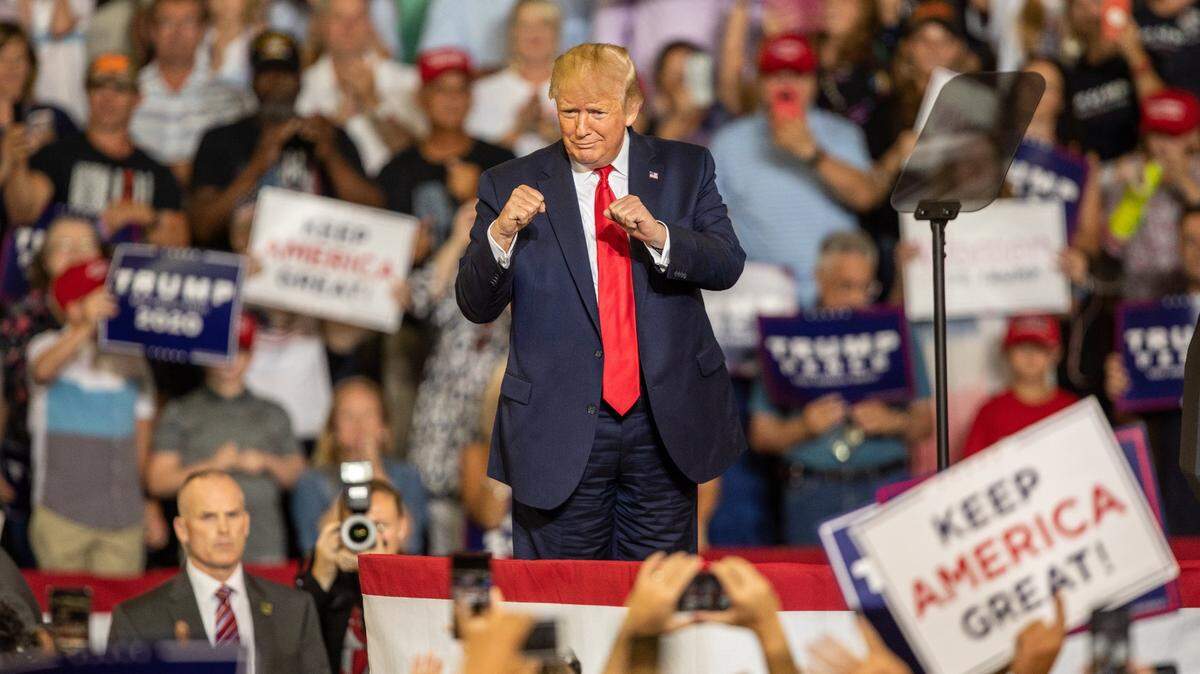
Thus, given inflation, world events, and the low approval rate of President Biden, one would think the Republicans would be cruising to victory in November. And they may well be. However, this is where the former president comes in because every time he injects a new topic into the national debate, he runs the risk of turning attention away from those general trends and issues that could propel Republicans to a majority in Congress.
Thus, a midnight comment from Donald Trump regarding a “do over” of the 2020 election, for example, will inevitably invite this question to every Republican Congressional candidate: “Do you support former President Trump’s call for a redo of the 2020 election?”
It’s an unenviable position. A “yes” answer can cost support among swing voters; a “no” may cost support among the Trump faithful.
What the candidate really wants to say is “can’t we talk about how Democrats are destroying our economy?” And they might get that chance. But they might not.
When the former president, and de facto leader of the party, is opening the door to talk about things that don’t matter much (or worse, alienate swing voters,) it makes the political math that much harder. While Trump’s continued focus on the 2020 election may have helped propel some of his chosen candidates to victory in primaries, and may even increase winning margins in safe GOP seats, it may well hurt his party in the swing districts.
And without swing districts, the chance of a Republican wave diminishes dramatically.
Can Republicans still sweep to victory in November? Absolutely. Ten weeks is an eternity in politics. But they will need to stick to a message that can convince swing voters that if they vote for a Democrat all they will get is more of the same — the same inflation, bureaucracy, wasteful spending. The same bad government.
Former President Trump needs to help them do that.
This story was originally published September 3, 2022 at 7:20 AM.