
We don’t need another ‘New South.’ We need to be honest about the old South
While other places constantly evolve, there’s something about the South that feels like moving forward is much slower and harder. At one point, the South was even said to be “boldly moving backward.”
It doesn’t need to be this way.
The onus is on us to ensure that we don’t create yet another “New South,” but a true South that will continue to thrive well into the future. This starts with coming to terms with our past, so we can create a present and future that are true.
The South is plagued by the tension between its past and present. Its complexities run deep, characterized by terrible violence and systemic inequities on one hand, and great cultural affluence on the other. Moving forward hinges on being true to the past; reclaiming Southern history and using it to change the narrative.
Reclaiming Southern history means we dedicate ourselves to unearthing and preserving our past. Think about what the Center for Civil Rights History and Research is doing, or Freedom Stories, and the Invisible Histories Project.
Changing the narrative requires embracing and challenging our reclaimed history. We cannot move forward unless we recognize the history that brought us where we are.
We’re seeing folks well-versed in and inspired by the history of the South using it to create a beautiful new narrative for the present and future.
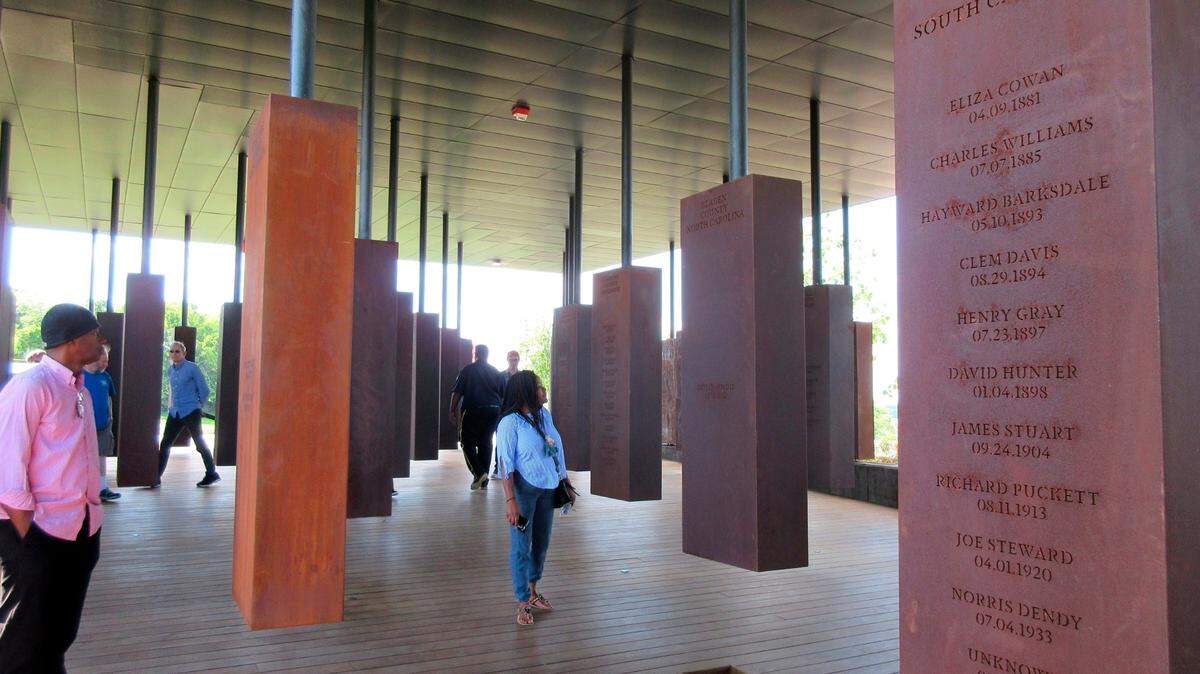
Take, for example, how Bryan Stevenson and the Equal Justice Initiative built the lynching memorial in Montgomery, Ala. Or, how artist Michelle Browder created the monument of the enslaved “Mothers of gynecology.” They both focus on a narrative change by encouraging a reckoning with the injustices of the past.
By paying more attention to our history we can piece together a more complete picture of the past, allowing us to reframe historical narratives. Our past is tragic, but it is also full of grit and resilience. If we can come to grips with it, then there’s hope for redemption from past wrongs that hold us back. Only then can we truly embrace our present and build truths that carry us into the future.
Creating a South that’s true to its present is about addressing the persistent disparities we face.
We need equitable communities and economies. Whether you’re empowering economically vulnerable households to achieve major economic outcomes, or serving historically marginalized communities, the goal is to achieve equity.
There’s a need to strengthen infrastructure and support for families. Consider informal child care. While unregulated, its importance was particularly highlighted by the pandemic, which forced families to keep kids at home. It’s crucial to acknowledge that family, friend, and neighbor care, known as FFN care, is a critical component of childcare infrastructure.
We must also think about equal distribution of power and wealth — investing in leaders of color, challenging the South’s disproportionate poverty, and helping Southerners tackle debt. It’s about taking lessons from the past and using them to create a new present.
A truer South in the future will be achieved by restructuring systems so that they work for everyone. These systems should be centered on equitable policies as well as the region’s influence on civil rights and culture.
Think of art, for instance. It’s where we can find the truth in ways that we can’t see reflected in a report. Arts have the potential to impact the way we view and address issues of equity. They can also help us make sense of our complex history while challenging our present and depicting a new narrative for the future.
Given our past, it may be difficult to imagine the future South. However, the South isn’t a prisoner to the more troubling parts of its history. The past may have shaped the region’s present, but creating a truer, future version of itself demands smart work on today’s challenges.
The greatest hope is that in the future we have not another “New South,” but the true South.