
NC pastor: The working poor and too many others are modern day debt slaves
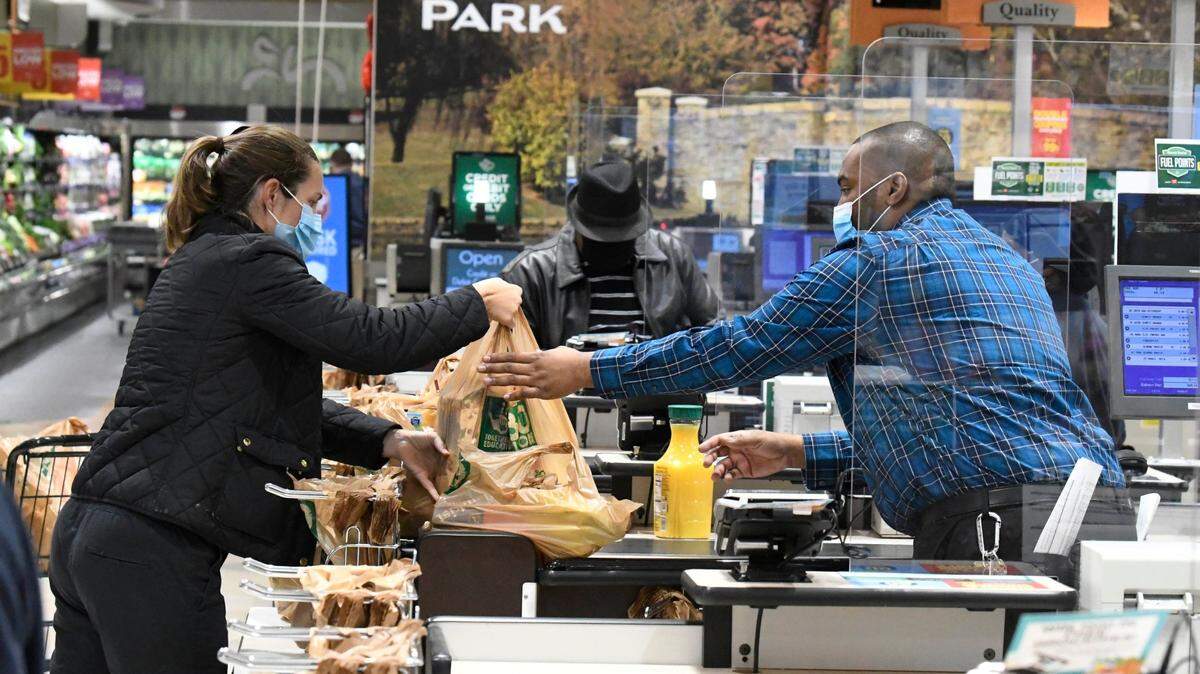
In the fall of 2020, when the pandemic was raging and vaccines were still far off, I masked up and headed to the grocery store. Normally, grocery shopping is one of my favorite chores, but it made me anxious in that season. The shelves were empty, shoppers were weary of the virus and one another and employees were scared, harassed and overworked. That day, there were only enough cashiers to open two check-out lanes. When I finally made it to the front of the line, I hurried over to bag my own groceries.
As I was struggling to fit one box too many into one of my bags, an employee came out from behind the service desk and offered to help. When I accepted, he began to whistle as he bagged my items. I was encouraged by his cheerfulness. I asked him if he was happy because he was near the end of his shift. He said, “Oh no — I just got here, I have another five hours — and this is my second job. I get up at 4 a.m. every morning to drive a medical lab truck. And I live in Denver, so I have an hour commute at the beginning and end of each day. But I am grateful to have jobs — hard work never killed anybody.”
I think about him a lot. I remain humbled and inspired by his kindness and dedication and strength. But the more I recall it, the more this memory disturbs me. Because people who perform vital functions like delivering lab specimens and keeping grocery shelves stocked shouldn’t make so little that they have to work 90 hours a week just to survive. Because constant hard work without rest does, in fact, kill people.

Last week we narrowly avoided the total shutdown of the nation’s railroads. After three fruitless years of labor negotiations, the engineers and conductors who drive trains set the date for a strike. Another national supply chain disruption would have innumerable negative ripple effects. One commentator I listened to decried the selfishness of the workers, how dare they make things even harder for struggling American families right now?
But the engineers have American families too, and their current contract gives them no days off and no set schedules. Conductors are on call for weeks on end, unable to go on vacations, watch their kids play sports or schedule medical appointments. The railroads, despite record profits and stock buy-backs in recent years, refuse to hire any more employees. Why should they when they can legally force current ones to work limitlessly and on-demand?
Theoretically, employees can quit if the work is too harsh. But can they, really? If quitting means forfeiting access to medical care, risking eviction and jeopardizing your children’s access to food and shelter, who can risk that?
Debt slavery figures prominently in both the Old and New Testaments of the Bible. Crisis regularly forced desperate people to sell themselves and their children — a practice in which a poor or extremely indebted person sold themselves into bondage for a set period of time to satisfy debt or secure survival.
Jesus told several parables about generous masters who forgave debt and released debtors from captivity. The prophet Elisha performed a last-second miracle to prevent a widow’s sons being seized as slaves. It seems to me that humans have always found ways to enrich themselves off of the misery and desperation of their neighbors, and God has always been offended and infuriated by it. In the Kingdom of God, labor is a gift, not a curse.
What are so many workers - including the working poor - other than debt slaves? What else do you call a train conductor who can’t schedule a doctor’s appointment, a grocery store employee who works from 5 a.m. to 9 p.m. with a two-hour commute, a custodian who cleans a hospital but can’t access healthcare, a migrant laborer who harvests organic produce but can only afford self-stable processed food, a fast-food employee who sells blood plasma to make the minimum monthly payment on medical debt? All of us depend on the labor of our neighbors, but too many of them work ceaselessly without rest. They have no other choice. I worry the foundation of our shared economy isn’t capitalism but human misery.
I’ve never seen the man who bagged my groceries that day again. I wonder if he’s still working that brutal schedule. I wonder if he still whistles.
This story was originally published September 19, 2022 at 11:10 AM.