
Our children’s opioid deaths crushed us. How NC should spend its settlement money.
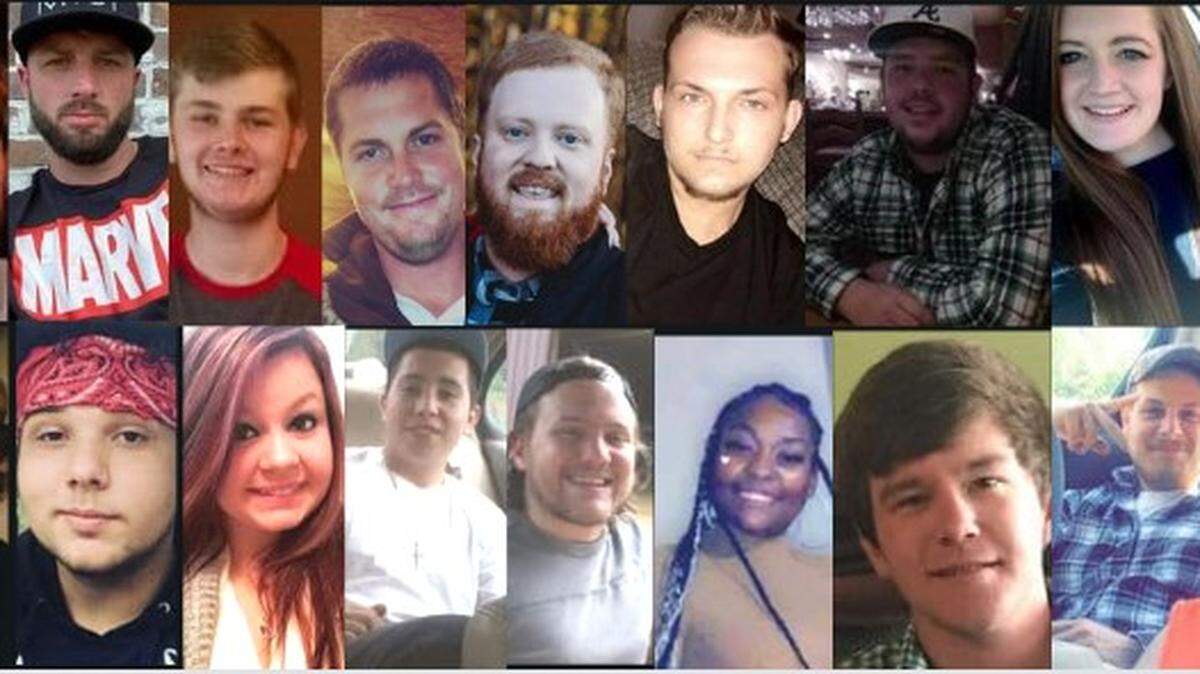
Editor’s note: North Carolina recently received its first payment ($30 million) from a $26 billion national opioid settlement. We asked two mothers whose children died of opioid overdoses where the money should be spent to save the most lives.
We are among thousands of North Carolina parents who lost children to the opioid epidemic. My 19-year-old son David Steen, died Sept. 28, 2017 from an intentional oxycodone overdose. My 22-year-old daughter Dakota Strickland died May 23, 2019 from an accidental fentanyl overdose.
Their deaths crushed us. They also opened our eyes to what a huge problem this is in our state. In 2021 in North Carolina, 3,961 people died of suspected opioid overdoses, a 26% increase from 2020. And the numbers keep rising. According to the N.C. Office of the Chief Medical Examiner suspected overdose deaths jumped 9% between January and June this year compared to the same period last year.
Though we both have full time jobs, we commit our free time to the Johnston County nonprofit JoCo Angels, which supports families like ours. We help parents find resources, we help them grieve, and we educate school, youth and community groups. Here’s how our group believes the state should spend the more than $750 million in settlement money it will receive:
First and foremost, North Carolina must make naloxone readily available for first responders and to families living with an addicted loved one. Naloxone rapidly reverses an opioid overdose.
As illegal drugs become more lethal overdose deaths are increasing, but the availability of naloxone is decreasing.
Fire departments, EMS and police should have multiple doses on every vehicle. In years past in Johnston County we were able to get cases of naloxone from our local health department. Today, we can’t even send people we help to get a free dose to keep at home.
The need for free or income-based medical detox is equally important. North Carolina does not have enough resources for those seeking to recover. Many don’t have access to health insurance or money for treatment, so having affordable care that allows a person to detox slowly and under medical supervision is crucial.
Grant money for Medication Assisted Treatment (MAT) must be made available to low-income or uninsured people, as well. If a person is dealing with a “functional addiction” — meaning they hold a job, go to school or continue to support themselves or their family — sometimes long-term or even short-term residential treatment is not an option. Being able to begin MAT and outpatient counseling means they can continue to work and not lose everything, including their lives.
Dr. Eric Morse, an addiction psychiatrist who operates clinics in North Carolina that provide MAT treatment, told us that his clinics turn away 5 to 10 patients a month per clinic for inability to pay because they don’t qualify for the State Opioid Response Grant. “Opioid Treatment Programs have the best medical evidence behind them,” Morse said. “The opioid settlement funds could not be spent more efficiently or effectively than on OTPs.”
More support is also needed for community and faith-based recovery programs, such as Hope Center Ministries, which has three houses in N.C. where they operate one-year faith-based programs. The homes allow those in recovery to have low-cost rent, work a recovery program, and learn how to live sober before they return to the “real world.”
Programs like Hope Center’s are proven to work because the whole community gets involved and invested in seeing lives changed. The state must support them.
Finally, North Carolina needs more high school programs such as Wake Monarch Academy. State funding to make these programs more available to the average student would help families when they are most vulnerable. There are so few teen resources available, and this is the age group that is most vulnerable.
Every school district in North Carolina should have a state supported public recovery high school like Wake Monarch Academy.
This story was originally published September 22, 2022 at 4:30 AM.