
I’m an LGBTQ Republican. I have a message for the GOP about the Respect for Marriage Act.
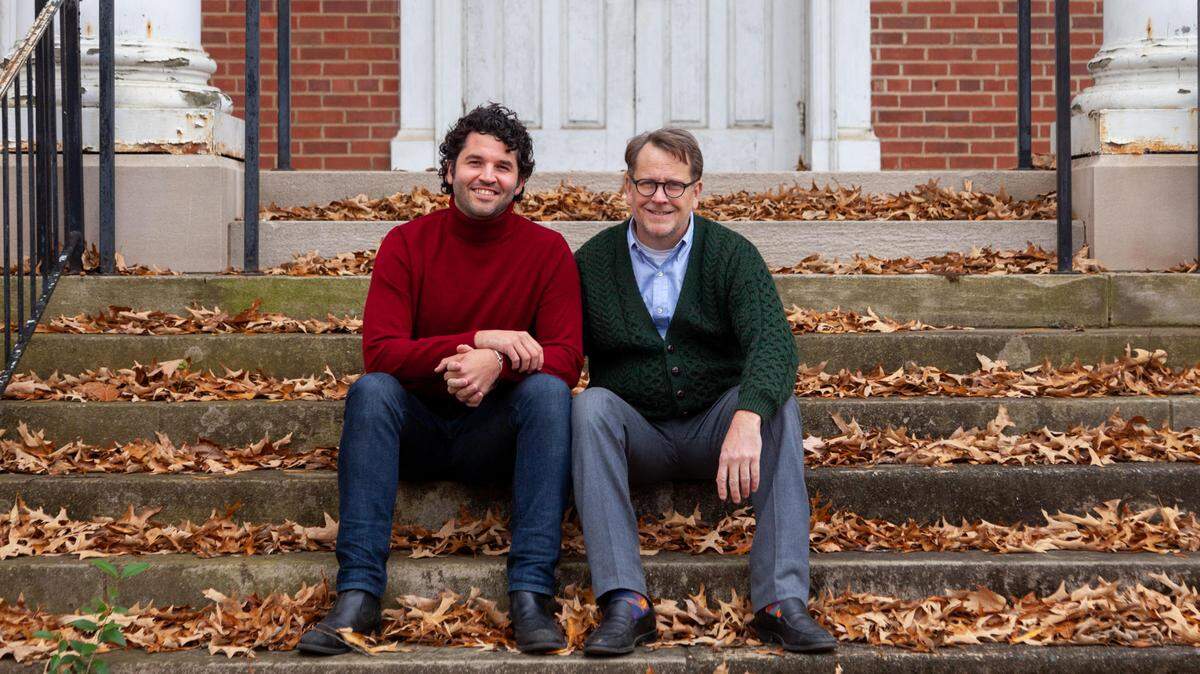
A few weeks ago, my fiance, Bryan Segers, and I were in New Bern tasting cakes, selecting colors and touring our wedding venue. I didn’t know I felt so strongly about certain cake flavors (red velvet is a top contender), but it reinforced something that I already knew — that marriage is an incredibly personal venture.
With the Respect for Marriage Act pending in the Senate, our country is once again having a discussion about what marriage means and its value.
The bill, which cleared the U.S. House of Representatives in July with the support of 47 Republicans in June, ensures that the marriages of gay and lesbian couples are protected under federal law. It also ensures all federal benefits are available to married couples wherever they live, providing certainty that marriages are not jeopardized by crossing state lines.

From Abraham Lincoln to Ronald Reagan, the Republican Party has always stood for freedom. Now, we have another chance to do that by passing the Respect for Marriage Act. Doing so will not only help families and children in North Carolina, but it will also demonstrate Republican principles in action.
In the more than seven years since marriage equality was made the law of the land by the Obergefell decision, millions of LGBTQ people have married and started families. Today, an estimated 2 million children are growing up with same-sex parents.
Those of us who are conservative often talk of fostering a culture of life, and same-sex couples are often more likely to foster or adopt a child. For families, the Respect for Marriage Act creates legal and personal certainty, another favored principle of conservatives. And for our principles, the Respect for Marriage Act reinforces personal freedom and limited government.
Beyond its policy merits, the Respect for Marriage Act is also good politics for Republicans.
A 2021 Gallup poll showed that 71% of Americans support same-sex marriage, including 55% of Republicans. Here in North Carolina, 66% of North Carolina residents support same sex marriage, according to a 2022 PRRI survey.
In September, the Senate delayed its vote on the Respect for Marriage Act until after the midterm elections. Ten Republican Senate votes are needed to pass it. Sen. Thom Tillis deserves credit for standing up and supporting the measure. When explaining his decision, he noted, “nearly a million people who are in same-sex marriages who are reliant on some constancy.”
Gone are the days when a North Carolina candidate running for statewide office with an “R” next to his or her name can count on an automatic victory. The incredible growth in booming counties around Charlotte, Greensboro, Raleigh Durham, Chapel Hill and the Research Triangle area means younger, more diverse voters can determine the outcome of some elections.
Sen. Richard Burr deserves credit for past votes in support of LGBTQ rights, including repeal of Don’t Ask Don’t Tell. He now has the opportunity to defend freedom and his constituent’s civil rights before leaving Congress. I encourage him to join Sen. Tillis’ lead in signing on to the Respect for Marriage Act.
Bryan and I are proud North Carolinians, and as we eagerly anticipate our marriage on April 22, 2023, we call upon senators of both parties to pass the Respect for Marriage Act so that families like ours can be legally secure in such commitment.