
Simple ways to keep election misinformation from misleading us
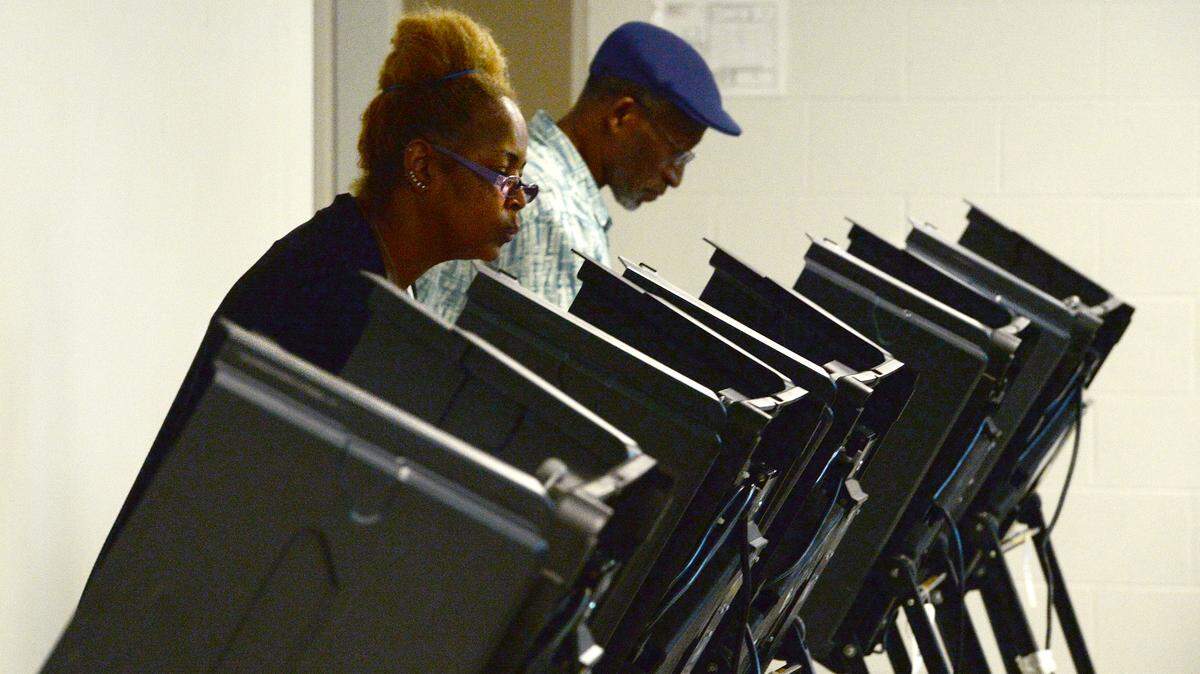
This election season, the North Carolina State Board of Elections has been working hard to fend off mis- and dis-information aimed at voters.
On “Mythbuster Monday” the board regularly debunks false claims about voting with posts on its social media channels and its website. For example, any voter in line by the time polls close can still vote, despite false claims to the contrary.
On “Fact Friday,” readers can find posts with links to credible sources of information about topics like where to check your voter registration or find a sample ballot.
Helping voters find credible information about elections is vital work. Unfortunately, no single entity can keep up with the crush of mis- and disinformation about elections. It will take all of us to stop the spread of false posts, some of which are even designed to stop people from casting their ballots.
There are simple ways that we can keep misinformation from confusing or misleading us, our families, and our communities when we are deciding how to vote. We can all build our news literacy skills — the ability to tell fact from fiction and find credible information. Here are some simple tips for doing just that.
▪ Verify before you share
If you see a political mailer or other campaign news that gets you outraged — or even excited or hopeful — open a new tab on your phone or internet browser. Before you amplify the message, see what credible news sources have reported about the claims and about candidates’ positions on hot-button issues.
A little fact-checking will go a long way. For example, the Charlotte Observer recently reported on multiple instances of misleading campaign ads featuring photos that had been doctored or cropped to get a political message across.
▪ Watch out for red flags
Avoid sharing content containing directives like “Make this go viral,” or “The media won’t cover this.” Those messages often accompany mis- and disinformation. They are designed to manipulate voters into feeling like an insider. But they often just play on your emotions to encourage you to spread the message.
▪ Learn to identify credible information
It can be hard to know what sources to trust. The News Literacy Project, a national nonpartisan nonprofit, has a new platform called RumorGuard. It’s dedicated to empowering the public to recognize and resist mis- and disinformation. The posts share fact-checked examples of viral hoaxes, memes and doctored videos. There are also tips for identifying five factors of credibility that news consumers should consider when deciding whether a claim is credible.
The posts and information you’ll learn are easy to share — hopefully displacing some of the misleading and false information clogging up the social media feeds of your family and friends.
Voters can also find links to trustworthy sources and more news literacy tips on News Literacy Project’s 2022 webpage, including webinars that teach voters how to spot misinformation and understand the motivations behind it, and explore how to effectively refute it and engage in productive conversations without confrontation.
North Carolina’s State Board of Elections has the right idea. It’s our responsibility to become better informed this election season before we vote so we can feel confident our decisions are based on credible and truthful information.