
NC sleep expert: Think making daylight saving time permanent is brilliant? It’s not.
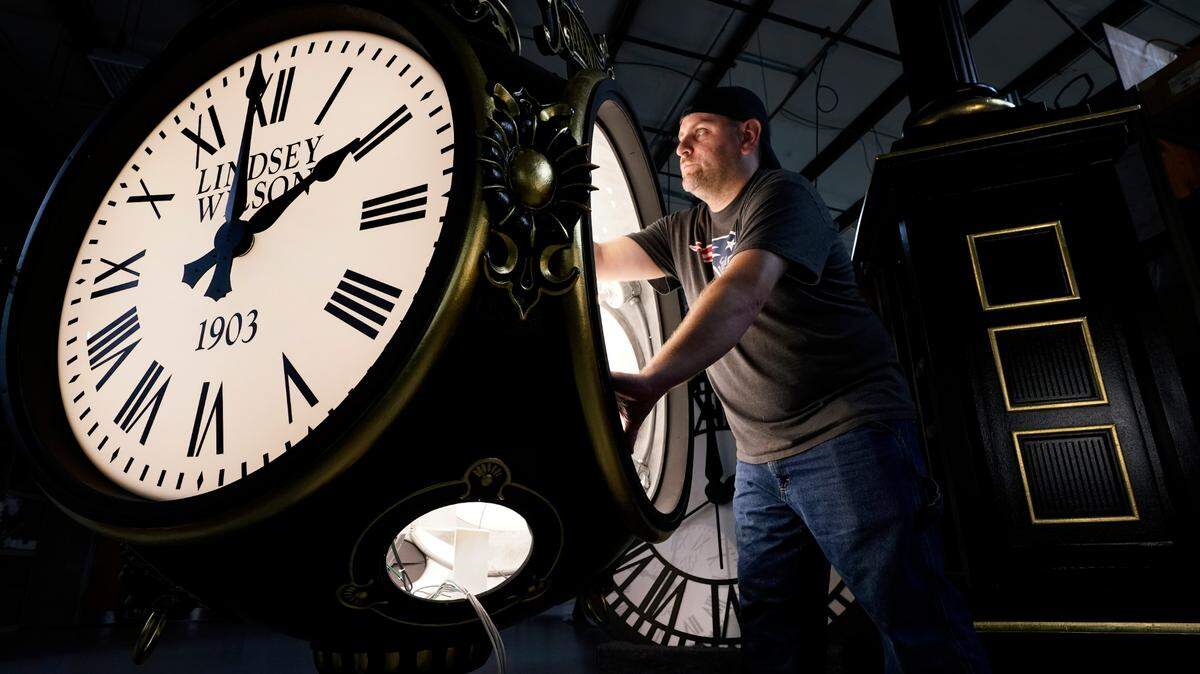
On Nov. 6, 2022, we will adjust our clocks again. The bi-annual change of the clock is harmful to health. If we are to help a chronically sleep-deprived society, now is the right time to “lock the clock.”
“I cannot fall asleep at night, but am so sleepy in the daytime.”
This is a common complaint I hear at the sleep medicine clinic where I work as a nurse practitioner. One in three adults don’t get enough sleep. The confounding effects of social jet lag and poor sleep hygiene become so debilitating that many patients seek medical help. In a busy world where 24 hours is not enough to meet the societal demands of life and work, nipping a few minutes or hours from the recommended 8 hours of sleep is an easy solution. Sleep hygiene is now a prescription we give.
Promoting good sleep hygiene behaviors is difficult enough in an era of electronics and digital environments. The constant change in the clock makes it more challenging to uphold.

Clock-switching back and forth twice a year misaligns our circadian rhythm. Although our internal biological clocks will eventually reset to adjust to the new time, the re-alignment happens slowly. Ending the practice of changing the clock twice a year will end this inconvenient, disorienting, and sleep-disrupting effect.
Most agree that now is the time to update the law that instituted the tradition of moving the clock forward an hour in the spring and moving it back an hour in the autumn. In March 2022 the U.S Senate passed the Sunshine Protection Act of 2021 by unanimous consent. That means N.C. House Bill 307, a proposed act designating daylight saving time (DST) to be the new permanent standard time, could pass in North Carolina as well.
One may think that making DST the permanent standard time is brilliant, but it is not. Often associated with longer evening summers, “spring forward” or “march forward” sounds more fun and optimistic. Ironically, this time adjustment does not create an additional hour of sunshine — but makes us lose one hour of sleep. The extra sunlight in the evening also makes it harder to go to sleep.
Evidence refutes the electricity savings from DST. The financial incentives of more extended daylight do not compensate for the healthcare cost of higher incidences of heart attack, stroke, depression and cancer associated with sleep loss during the spring transition. Plus, the cost consequence of the higher number of motor-vehicular accidents and increased workplace injuries during this time.
The American Academy of Sleep Medicine and the Sleep Research Society support standard time (ST) for making time permanent. Our biological clocks and social clocks correspond to this time. Although less sunlight in the autumn and winter mornings makes it unpleasant to start the day, standard time aligns best with most people’s circadian rhythm.
It may sound petty, but if the Sunshine Protection Act fails to make new law, it is time to ask lawmakers to draft a better alternative by “ditching the switch” to DST and making standard time permanent as is proposed in the “Sleep Protection Act.” So the next time I see a sleep-deprived patient in the springtime, I do not have to recommend a “prescription for an extra hour of sleep.”