
Former Charlotte school board member: What does the CMS shake up mean?
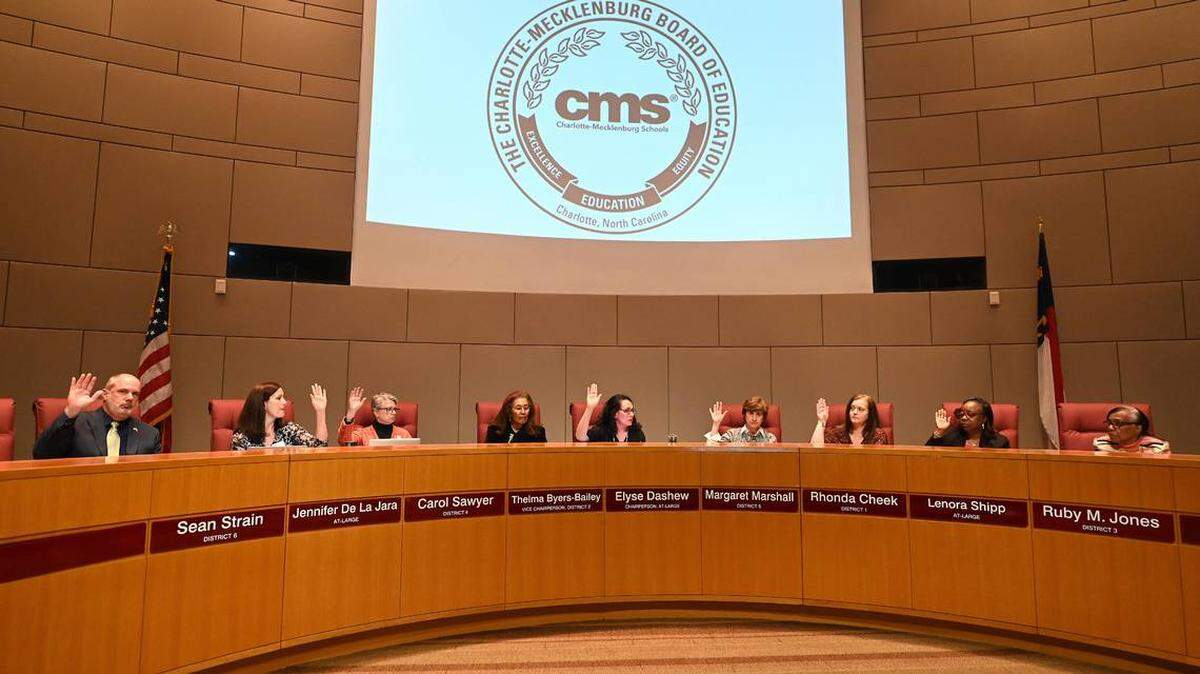
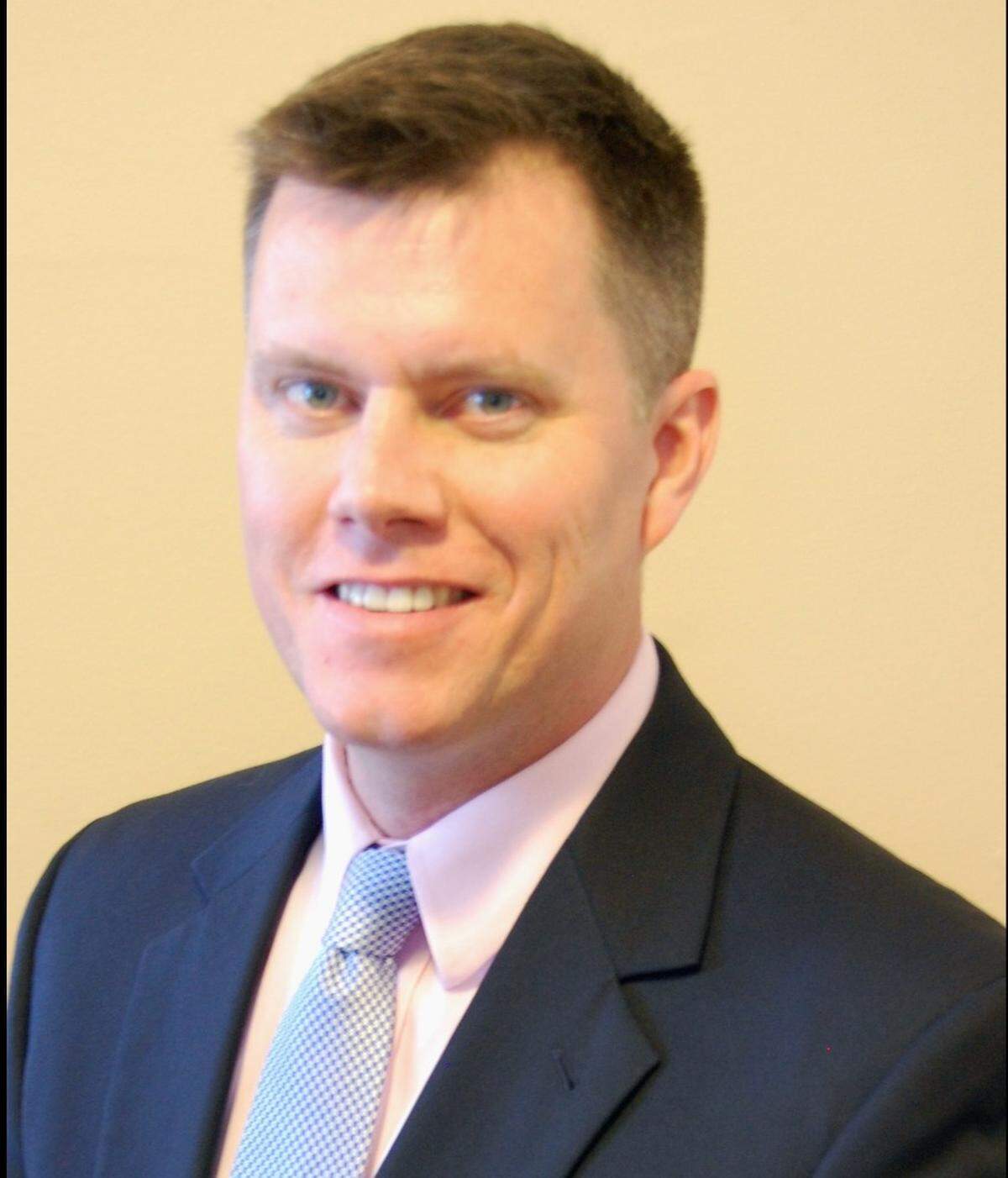
Editor’s note: Three Charlotte school board members were swept out of office Tuesday. We asked Trent Merchant, who previously served on the CMS board and lost a bid to return Tuesday, to reflect on the turnover.
For the first time in memory the majority of Charlotte-Mecklenburg school board members have been replaced in one fell swoop. The CMS Board of Education will seat five new members at its first meeting in December. Before we consider what that could mean, we should look closer at what the election data reveals.
▪ Delaying the district elections by a year placed them amid a contentious national midterm, which had massive consequences. In the 2017 election, voters cast 123,508 ballots across the six CMS district races. This year 301,258 votes were cast — a 144% increase in voter participation in school board races. That’s a great thing, potentially.
▪ In Mecklenburg County, 356,031 voters participated in the election. That means 54,773 voters did not vote at all in the school board election. Another 3,343 wrote in candidates. So, more than 16.3% of voters were uninformed, apathetic, or dissatisfied regarding the school board races. That’s not encouraging.
▪ The most obvious takeaway from the school board election is that voters literally wanted change across the board. The majority of the board will be new. Three of the four incumbents were defeated, and one who kept her seat did so with a cushion of less than 4%. But the six winners should note that they only received a combined 46.3% of the vote. That means 53.7% of school board voters chose someone else, and 60.8% of overall voters chose someone else or made no choice at all. That’s hardly a mandate. In 2017, the six winners received 51.7% of the vote. The new board should move forward circumspectly.
▪ Another clear takeaway is that women voting for women took precedence over all other factors, especially in a national midterm where women’s rights, safety and health were all major concerns. For example, in District 1, Melissa Easley and Rhonda Cheek combined for 53.8% of the vote over three men running on change, and District 2 incumbent Thelma Byers-Bailey held on over two men running on change. In my race, District 5, my electoral map most closely mimicked county commission candidate Matthew Ridenhour’s, as my opponent, Lisa Cline, a Republican, won numerous precincts where two Democratic women dominated in county commission races.
In races where women ran as change agents, Melissa Easley, Stephanie Sneed, Lisa Cline and Summer Nunn were unstoppable.
So what does all of this mean for CMS?
Students and teachers should not feel any immediate effects, even if the new board begins to make policy changes. Strategy and policy execution require effective executive leadership and CMS needs a massive infusion of leadership talent, starting at the top with a new superintendent.
All five new board members ran on change. The first votes they make in December will be for a new chair and vice chair. If they can coalesce, that will be their opportunity to begin setting the tone.
If the new members agree to focus on two to three most important goals for the new superintendent search, and demonstrate that they can work together effectively and respectfully, I believe that having a board open to change will be a great asset in their search.
For our community, this is our opportunity to be a part of the solution. Trust me, losing an election brings devastating grief. But Lisa Cline is now my school board rep. She has my full support. I need her to be successful. If I can move forward, you can too. Whatever differences we have, we are more alike than unalike. Let’s trust the choices we made in the election.
I got to know all the new board members on the campaign trail. They are really good people who ran for the right reason — to do what’s right for all of our children. To be successful, they need our support. Let’s lower the temperature and give them some time and space to get to know each other and learn their very complex new roles. Let’s offer ourselves in support with open hands instead of raised fists.