
This election, rural voters like me flipped the script. We saved the day in NC.
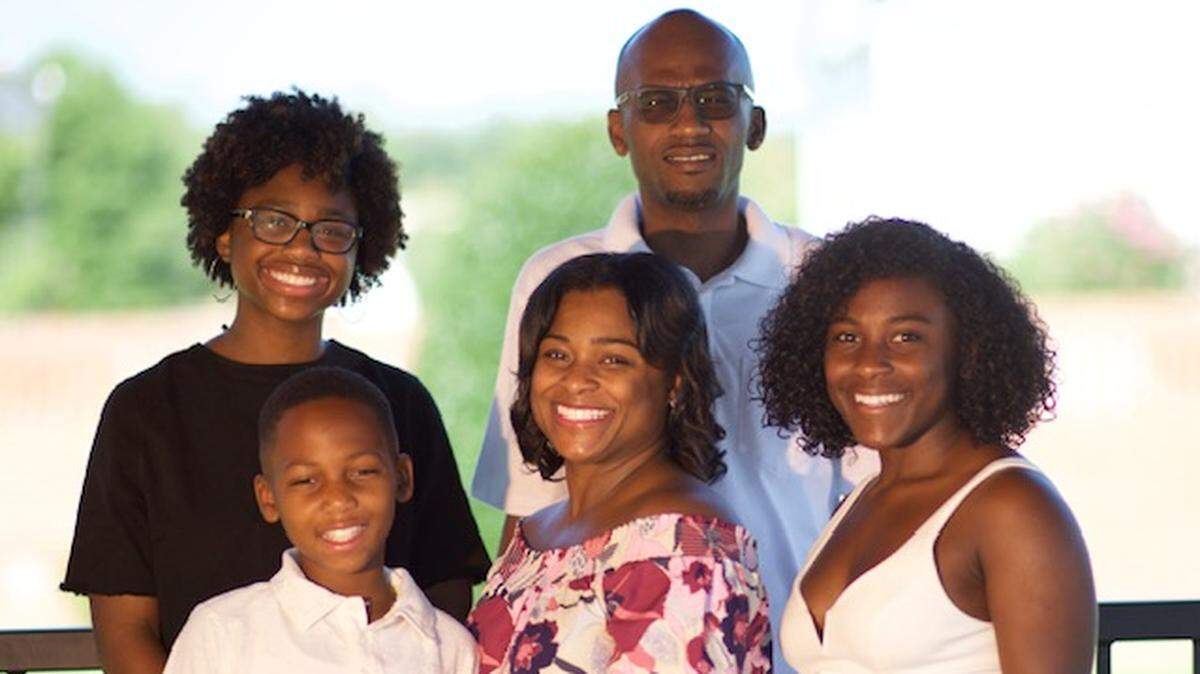
If you live in North Carolina, you’ve heard something like this before: “Rural voters are holding back our state. They just keep voting against their interests.”
People in small towns and rural communities like the ones I come from are often scapegoated after an election. This never sat right with me. I’ve always been a voter. Every election, I would go to the polls and vote. I would wear the “I voted” sticker on my shirt and peel it off before doing the laundry. The next election, I would do it again.
I grew up and raised my family in Alamance County. As a Black, working-class woman, I often felt like I could change nothing there. The county felt trapped in the 1950s, with a baked-in good ol’ boy system. People who won elections didn’t look like me, talk like me, and certainly didn’t know me.
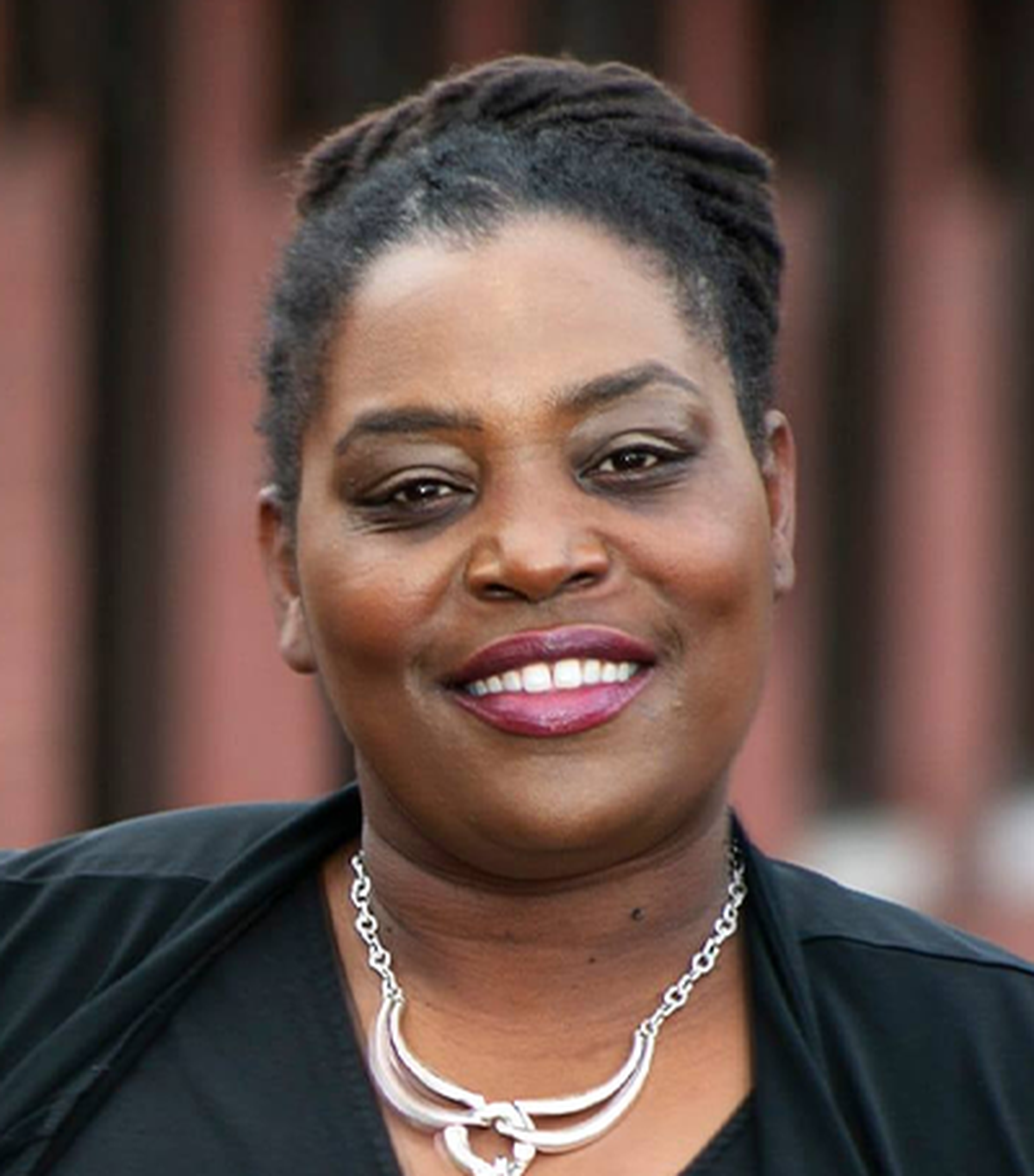
It often felt we had been abandoned by other parts of the state. Because rural N.C. counties often “go red” election after election, progressives often discount us as a lost cause.
This election, however, we flipped the script. Small town and rural voters saved the day.
It was small town voters in Cabarrus County — not in Mecklenburg, Durham or Wake — who prevented a supermajority and preserved the governor’s veto by just one seat. That seat will be filled by a small town Black nurse and mother named Diamond Staton-Williams, who understands small town, working class voters and knows our concerns. She won her race because working people didn’t just vote, they organized and fought to get her elected.
Members of Down Home North Carolina, a group that advocates for N.C.’s small towns and rural communities, knocked on 35,000 doors and had nearly 8,000 conversations in the district. These efforts helped eke out a 628 vote margin — a true grassroots win.
Staton-Williams district is representative of “countrypolitan” districts across the state. You can see change happening in Cabarrus County where new houses are being built, roads widened, and the population is growing. In Concord, the town at the heart of NC House District 73, people of color are driving local growth. These changes mean that candidates like Staton-Williams can win counties like Cabarrus. The question is when will the tipping point arrive. Instead of waiting for that moment, we can organize now.
In “countrypolitan” districts, winning coalitions can be formed between recent arrivals and residents who have long felt unrepresented by county politics — people like me. Historically, Democrats have focused on major metro areas as their base, but they carry 43% of the vote to a Republican 56% in these small metros. That leaves a lot of power, and a lot of voters, on the table. These small towns are worth fighting for. Down Home members and Diamond proved it.
There were other victories on election night brought about through progressive organizing. Working people in rural Person County elected a Black farmer, Ray Jeffers, to the N.C. House, defeating a 12-year Republican incumbent. In Granville County, working people knocked on doors to elect Robert Fountain as the county’s first Black sheriff, and lifted Mary Wills Bode to defeat a right-wing Raleigh millionaire for the N.C. Senate. These wins defy rural stereotypes and show us what country people are capable of when we organize.
Roughly 80 out of 100 counties in North Carolina are rural, and another 12 are semi-rural . While most rural counties still lean heavily Republican, they make up 15% of the state’s Democratic vote share. If progressives want to win in North Carolina, we can’t leave rural voters behind. We have to look at the state as a whole.
I’ve come a long way as a voter, and so have rural voters across the state. Our aim is not just to participate, but to build power. The recent election demonstrates a new path forward for progressives in North Carolina — if we organize and invest in small towns and rural places like the ones I come from. At Down Home, we hope y’all won’t count us out again — but join us in this fight.