
NC doctor: For me, the same-sex marriage bill doesn’t do enough
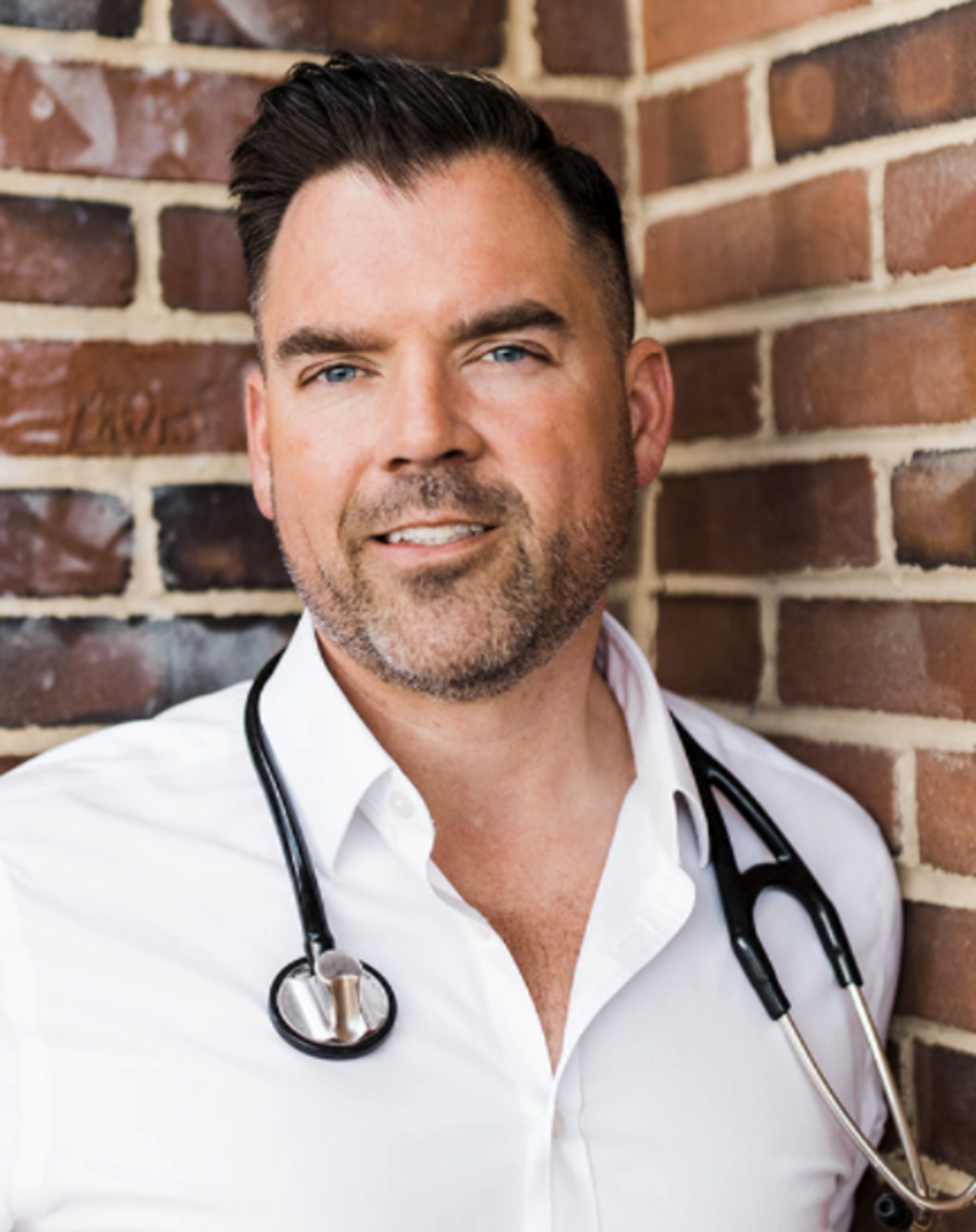
I’m an ER doc. Balancing emotion comes with my job, but the last few years have been too much, even for me. And I’m not even talking about COVID. We’ve got another health crisis on our hands.
After Obergefell v. Hodges, the Supreme Court case that legalized gay marriage, I thought we’d turned a corner. According to Gallup, 71% of Americans support gay marriage. But when Roe was overturned, it became clear progress was threatened.
Then on Tuesday, with help from Sens. Richard Burr and Thom Tillis, the U.S. Senate passed the Respect for Marriage Act. It’s a step in the right direction, but doesn’t go far enough. If Obergefell is overturned, the Respect for Marriage Act would be virtually meaningless to unmarried LGBTQIA+ Americans in 35 states.
On Nov. 20, I awoke to news that in Colorado, a state with an openly gay governor, a shooter killed five people at an LGBTQIA+ nightclub. He was likely emboldened by politicians. In 2022, we saw a Republican statehouse candidate in Oklahoma say it’s “just” to kill gay people. He lost his primary, but U.S. Rep. Marjorie Taylor Greene, who said straight people will become extinct if LGBTQIA+ rights advance, was embraced by House GOP leaders. And U.S. Rep. Lauren Boebert once accused Assistant Health and Human Services Secretary Rachel Levine of “grooming” kids.
In Idaho in May, a sheriff arrested 31 members of a white supremacist group planning to attack a Pride festival in order to eliminate “groomers” and “reclaim America.” In Texas, a pastor said gays and lesbians “should be lined up against the wall and shot in the back of the head.”
He meant me. He meant my husband.
Beyond violence, hate speech leads to hate-filled legislation that also threatens our health.
In 2022, state lawmakers introduced more than 300 bills that would erode LGBTQIA+ rights. At least 13 states have anti-LGBTQIA+ laws on the books, ranging from allowing religiously motivated discrimination to making it a crime for a physician to offer gender affirming care. Other legislation would restrict teachers from discussing sexual identity or accommodating gender nonconforming youth.
Unfortunately, the Respect for Marriage Act is not the step forward most people claim.
While it does force states to recognize gay marriages performed in other states, it does not require states to allow gay marriage. That means if the Supreme Court overturns Obergefell, 35 states would again have marriage bans on the books. My husband and I could move to a state with a ban and have our union honored, but an LGBTQIA+ friend living in North Carolina still could not marry in my home state.
We’re still not close to equality, and the health of LGBTQIA+ Americans is at risk because of it.
Hate-filled speech and legislation makes LGBTQIA+ youth fear being themselves. It has created an environment where more young people turn to suicide to end their pain. According to the CDC, nearly LGBTQIA+ communityof LGBTQIA+ youth have attempted suicide at least once in the last year.
LGBTQIA+ youth are 140% more likely than heterosexual students to not go to school because of safety concerns. It’s not just young people at risk. LGBTQIA+ community members are more likely to experience poverty and, according to FBI data, police brutality.
Practicing clinicians like me are not immune. A New England Journal of Medicine article says gay, bisexual, transgender and non-gender conforming physicians are being accused of grooming children. Workplace discrimination also persists. We’re afraid to practice — at a time when the nation suffers from a lack of healthcare providers.
Events like the Colorado shooting do not happen in a vacuum. Lawmakers’ failures and words have led to this new health crisis. Policymakers must banish hate speech from their own ranks, and we need Congress to go further than the Respect for Marriage Act.