
NC places low-income mothers in an untenable position | Opinion
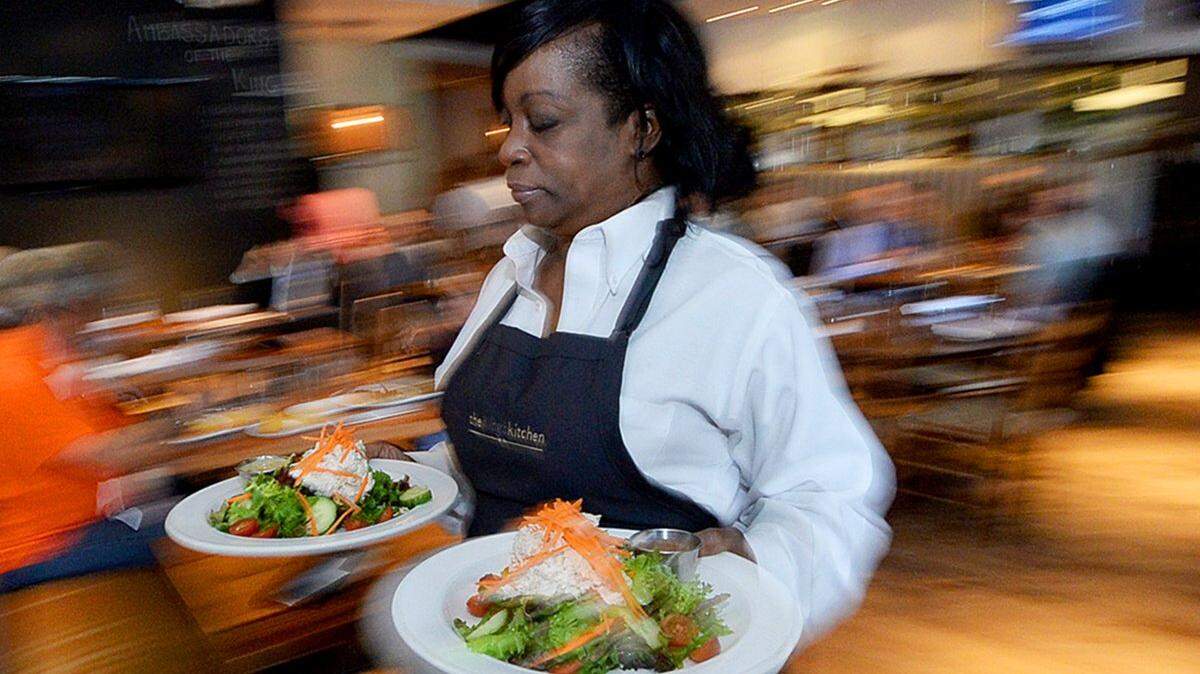
Economic hardship in North Carolina is highly gendered.
Our state has the seventh highest percentage of women without health care coverage. We also suffer one of America’s highest rates (12th) of women living in poverty. Beyond that, we are structurally out of whack when it comes to working folks.
North Carolina has one of the nation’s highest percentages of low-wage jobs (earning less than $31,200 a year). Tar Heel women disproportionately occupy these positions.
Even though they make up only 45% of the full-time work force, N.C. women occupy the majority of poverty-level jobs. About a third of women earn low wages, compared to 26% of men. Almost half of employed women with kids under 18 are low wage workers. For Black and Hispanic mothers, the figures are 51% and 71% respectively.

In 2020, women working full-time in North Carolina earned 83 cents for every dollar brought home by men — though 1.3 million Tar Heel women have college degrees and only 1.1 million men do.
Women with kids who work full-time make 73 cents for every dollar compared to men with children. Median earnings for women working full time are about $8,000 less than for men ($44,297 to $52,421). Almost two-thirds of Tar Heel women working full-time make less than $50,000 a year.
The number of N.C. women entering the labor force has climbed steadily over the last four decades, up 52% between 1980 and 2020. But over the same period, work has become more economically stratified.
Occupational segregation results in notably lower compensation for jobs primarily occupied by women. And income disparity is but part of the picture. Women are over-represented at the bottom of the barrel — with jobs that pay less, offer fewer benefits, and give employees less control over their time and schedule.
The nature of these jobs often puts employees at odds with responsibilities disproportionately shouldered by women – especially caring for children and other family members. North Carolina is not unique in this. But conditions here strengthen the headwinds faced by women everywhere.
The state’s failure to expand Medicaid deprives hundreds of thousands of women of health insurance. The repeated refusal to raise the minimum wage hurts women disproportionately. Adopting the worst unemployment compensation program in the country wounds the already wounded. Removing eligible kids from the food stamp system saves the state no money but makes life tougher for poor families.
And given North Carolina’s inadequate childcare program, last year hundreds of thousands of women were forced to forgo job opportunities, experience employment disruptions, and lose jobs because of the lack of affordable childcare.
Broadly speaking, we place low-income mothers in an untenable position. Our family policies assume that women will stay at home to care for children, but our economic policies require that they work. And the work readily available to many women fails to provide economic security for their families as it undermines their ability to be good parents.
As my colleagues Alexandra Sirota and Heather Hunt have (separately) put it, the fact that women in poverty manage these multiple stressors is astonishing. But support systems that would help low-income mothers — family leave, tax credits, child support, health care, universal childcare — are strained or nonexistent. We know what works. The question is whether we want to do it.
Structuring employment to disadvantage women and crushing social services meant to support children is not commanded by natural justice, introduced by Jesus on the Mount of Beatitudes, or prescribed by the U.S. Constitution. It’s our choice. Our dehumanization. It wounds many of our most vulnerable. It plagues us all.